Business Cards Design: Tips And Ideas For Creating Effective Business Cards
Importance of Business Card Design
In the competitive landscape of professional branding, the design of business cards holds a pivotal role in establishing credibility and leaving a lasting impression. A meticulously crafted business card not only serves as a tangible representation of an individual or company's identity but also functions as a strategic marketing tool.

When designed with intent and precision, a business card can convey key information succinctly while reflecting the core values and aesthetic of the brand. A well-thought-out design ensures that contact details are easily readable and that the overall appearance resonates with the target audience. This is crucial for networking events, client meetings, and any scenario where first impressions are vital.
Moreover, an eye-catching business card design differentiates a brand amidst a sea of competitors. It demonstrates attention to detail, style, and professionalism, which can influence future business opportunities. The impact of a high-quality, thoughtfully designed business card can be the difference between being remembered or overlooked in a professional setting.
In an age dominated by digital communication, the tangible aspect of a business card still holds significant value. It offers a personal touch and a physical reminder of a connection made, emphasizing the importance of a compelling visual presentation. A business card that aligns with current trends yet maintains timeless appeal can boost trust and foster stronger business relationships.

Given these considerations, investing in a professional or high-quality design for business cards becomes an essential component of a comprehensive branding strategy. It ensures that every exchange leaves a positive, professional impression that can open doors to new opportunities and collaborations.
Ensuring Authenticity Through Clear Contact Information and Branding
Effective business card design prioritizes clarity and consistency in presenting essential contact details and brand identity. Incorporating official channels such as the company’s registered phone numbers, email addresses, and website URLs ensures that recipients can easily verify the source and reach out without confusion or suspicion. Using official logos and trademarks within the design reinforces brand recognition and helps distinguish authentic communications from potential counterfeit or unofficial representations.

To further verify the legitimacy of a business card, incorporate security features that can be subtly integrated into the design. Embossed elements, watermarks, or unique foil details can serve as markers of authenticity. These physical attributes, when executed with precision, not only enhance visual appeal but also act as tactile indicators of genuine business materials, reducing the risk of duplication or forgery.
Best Practices for Maintaining Design Consistency
- Align the visual elements with your overall branding strategy, including color palettes, typography, and logo usage.
- Avoid introducing unnecessary or overly complex design features that could compromise clarity and professionalism.
- Standardize font choices and sizes across all contact information and taglines to foster uniformity and ease of reading.
- Ensure the design adheres to a consistent layout, balancing text, logos, and whitespace to prevent clutter and improve visual hierarchy.
Consistency across your business communications, especially physical assets like business cards, cultivates trust and solidifies brand recognition. When every detail aligns with your established visual identity, it reflects a structured and professional organization committed to quality and authenticity.
Leveraging Material Choices for Authenticity and Durability
Selecting high-quality materials for business cards not only enhances durability but also conveys a message of professionalism and attention to detail. Reputable printing providers utilize official processes and premium substrates to ensure that each card withstands wear and tear, retaining its appearance over time. The choice of textured, matte, or glossy finishes can complement the design elements while serving as a tactile affirmation of legitimacy.

Embossed logos, foil stamping, and spot UV coatings are distinguishable features often used by authentic manufacturers to reinforce the card’s legitimacy. These finishes reflect a commitment to quality craftsmanship and help recipients recognize the effort invested in creating a credible and professional business card.
Adopting Standardized Size and Shape for Professional Presentation
Adherence to accepted standards in size and shape not only simplifies the verification process but also facilitates consistent handling and storage. Typical dimensions such as 85mm x 55mm are widely recognized as professional standards, making it straightforward for contacts to file and organize your card alongside others. Custom shapes or unusual dimensions should be reserved for distinguished branding needs and produced by reputable sources that guarantee their quality.
Overall, maintaining authenticity in business card design hinges on transparent communication of contact information, strategic use of security features, consistency in visual identity, and the selection of high-quality materials and standard sizes. Employing official methods and reputable printing services ensures that your business cards serve as reliable symbols of your brand’s integrity and professionalism.
Importance of Business Card Design
Effective business card design transcends mere contact information; it embodies your brand’s identity, professionalism, and credibility. A well-crafted business card serves as a tangible reflection of your business values and attention to detail. High-quality design elements can significantly influence first impressions, shaping how recipients perceive your brand. This importance is rooted in establishing instant recognition and trust, which can open doors for future opportunities and collaborations. When your business card aligns with your brand image and adheres to industry standards, it communicates consistency and reliability, key qualities that legitimize your standing in your respective market.
Properly designed business cards utilize strategic visual hierarchy, ensuring essential information such as your name, position, company name, and contact details are immediately accessible. They also incorporate cohesive branding elements—logos, color schemes, and typography—that reinforce brand consistency. The design should seamlessly integrate aesthetics and functionality, ensuring ease of handling and readability. In addition, incorporating official security features—like subtle watermarks or microtext—can further affirm the card’s authenticity, fostering confidence among recipients that your business maintains integrity and professionalism.
Choosing the right design approach is critical. It must resonate with your target audience while reflecting your industry’s standards. For instance, a legal firm may opt for a conservative, elegant style with a refined color palette, whereas a creative agency might favor bold graphics and innovative layouts. Regardless of style, the overarching goal remains to communicate trustworthiness and establish your presence in the marketplace. Your business card should not only be visually appealing but also durable, ensuring it withstands handling over time, which underscores your commitment to quality. Select credible printing sources that utilize official techniques such as embossing, foil stamping, and spot UV coatings—these finishes lend a tactile dimension that emphasizes authenticity and can distinguish your card from counterfeit or low-quality imitations.

Key Elements of Effective Business Card Design
- Clear Contact Information: Ensure all essential details are readable, concise, and logically arranged. This includes your name, title, phone number, email, website, and physical address if applicable.
- Consistent Branding: Use colors, typography, and imagery that align with your brand identity. Consistency fosters recognition and trust.
- High-Quality Materials & Finish: Opt for durable paper stocks and finishes such as matte, gloss, or textured coatings. Premium materials reflect quality and professionalism.
- Distinctive Design Features: Incorporate unique elements like embossed logos, foil accents, or die-cut shapes to make your card memorable and showcase attention to detail.
- Standard Size & Shape: Adhere to widely accepted dimensions, typically 85mm x 55mm, to facilitate handling and storage while allowing for tasteful customization where appropriate.
Choosing the Appropriate Size and Shape
The size and shape of a business card significantly influence its impact and practicality. Standard rectangular cards are prevalent due to ease of handling, compatibility with filing systems, and familiarity. They measure approximately 85mm x 55mm, fitting comfortably into wallets and cardholders. This standardization simplifies verification and ensures your card can be stored alongside others without issue.
However, custom shapes and sizes can distinguish your brand when executed thoughtfully. Square cards, for example, forgo tradition for visual interest, while die-cut shapes—such as rounded edges, circular designs, or intricate contours—add a bespoke touch that stands out. When opting for non-standard shapes, it is essential to partner with reputable printing services that guarantee precision and quality to avoid issues such as creasing or misalignment.

Careful consideration should be given to balance creativity with functionality. Custom-sized or shaped cards should still be manageable for handling and storage, preserving professionalism without sacrificing uniqueness. Reputable printers will offer guidance on the best options suited to your brand identity and industry standards, providing die-cut templates and samples to preview before production. This ensures your design is both visually distinctive and practical, maintaining your business’s credibility with polished, official-looking cards.
Adherence to Official Printing Standards for Business Card Design
Maintaining official standards in business card design is critical for projecting a professional image and ensuring functional compatibility across different contexts. When selecting design elements, size, and layout, it is essential to follow industry-accepted guidelines that promote clarity, readability, and visual harmony. These standards help establish a consistent appearance that aligns with your brand's identity while fitting seamlessly into common repositories and filing systems. Opting for a standard size, such as 85mm x 55mm, facilitates ease of handling, storage, and distribution, making your cards convenient for recipients to use and keep.
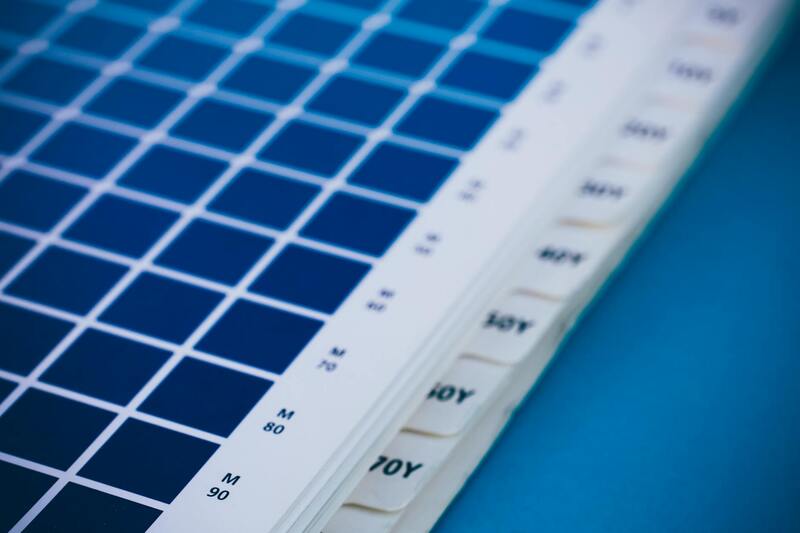
While creativity in design is valuable, it must be balanced with adherence to these conventions to avoid visual clutter or impractical formats. For instance, typography should be legible at small sizes, with font choices that reinforce professionalism—typically using serif or sans-serif styles with proper weight and spacing. Color schemes should adhere to color contrast principles to enhance visibility and accessibility, especially for vital contact information. Consistency in margins, alignment, and spacing ensures a polished appearance and prevents the design from appearing crowded or uneven.
Utilizing Reputable and Certified Printing Practices
To achieve high-quality results that meet official standards, partnering with reputable printing services is imperative. Reputable vendors employ precise calibration of printers, use premium-grade materials, and follow verified production protocols, ensuring the final product faithfully reproduces the digital design. They often carry certifications that demonstrate their compliance with industry quality benchmarks—these may include adherence to environmental standards, colour management systems, and material safety regulations.
Some professional printers offer comprehensive quality assurance processes, such as detailed pre-production proofs, color accuracy checks, and sample inspections before mass printing. These steps help identify any potential discrepancies early, guaranteeing that the finished cards meet the predetermined standards for professional appearance and durability. Transparency about materials used, printing techniques, and finishing options further reinforces trust and confidence in the final product’s legitimacy.
Documenting and Verifying Design Specifications
Proper documentation of your business card design specifications is crucial for consistency and official referencing. Standardized templates, detailed design briefs, and approved proofs serve as authoritative references throughout the production process. Maintaining clear records of approved layouts, color codes, fonts, and finishing details aids in verifying that all printed cards conform to the established design standards.
Verification processes involve cross-checking batch samples against original design files using calibrated measurement tools and colorimeters. This ensures colors are reproduced accurately, dimensions are precise, and finishing touches like embossing or foil stamping meet specified parameters. Such documentation and verification procedures uphold the authenticity and professionalism of your business cards, reinforcing their official status within your corporate branding framework.
Importance of Business Card Design
In the professional landscape, a well-crafted business card serves as an essential branding tool that encapsulates your company's identity. A thoughtfully designed business card communicates professionalism, reinforces brand recognition, and leaves a lasting impression on potential clients and partners. It is not merely a contact detail exchange but a strategic component that reflects your business values and industry positioning.
Effective business card design enhances credibility, demonstrating attention to detail and commitment to quality. It can set you apart in competitive markets by showcasing a unique visual aesthetic aligned with your brand. Whether through innovative layouts, distinctive color schemes, or incorporating brand elements like logos and taglines, a standout business card can significantly influence networking outcomes.

Key Elements of Effective Business Card Design
- Clear Contact Information: Ensure your name, job title, company name, phone number, email, and website are easily readable.
- Brand Consistency: Use brand colors, fonts, and logos to maintain uniformity with your corporate identity.
- Visual Hierarchy: Organize information to guide the viewer’s eye naturally, highlighting critical details like your name and contact number.
- Use of White Space: Adequate spacing prevents clutter and enhances readability.
- Unique Design Elements: Incorporate distinctive graphics, textures, or finishes that align with your brand to stand out.
Choosing the Right Size and Shape
The standard business card size is typically 90 x 54 mm, offering a balance between portability and space for essential information. However, exploring custom shapes and sizes can make your card more distinctive. For instance, rounded corners, square formats, or die-cut designs in specific shapes can add a creative touch that aligns with your brand personality.
Custom sizing options are especially popular in creative industries or high-end markets where visual impact is paramount. While unconventional shapes may require specialized cutting techniques, they can significantly enhance memorability and visual appeal, making your cards not just functional but also a marketing statement.
Materials and Finishes for Business Cards
The choice of material and finish can profoundly affect the tactile experience and perception of quality. Common options include:
- Paper Stocks: From lightweight 250 gsm to luxurious 600+ gsm, selecting the appropriate weight influences durability and feel.
- Specialty Materials: Plastic, metal, or thick textured papers can convey exclusivity or a modern aesthetic.
- Finishing Techniques: Matte, gloss, or satin finishes alter the visual presentation and tactile sensation. UV coating enhances vibrancy and durability, suitable for designs requiring vibrant colors and a high-end look.
- Special Effects: Foil stamping, embossing, debossing, spot UV, and soft-touch coatings add texture and visual contrast, elevating the card’s sophistication and uniqueness.
Choosing the right combination of material and finish is essential for aligning with your brand image and ensuring that your business cards withstand handling over time. High-quality materials and finishes reinforce the perception of professionalism and trustworthiness, fundamental to building strong business relationships.

Securely and Accurately Managing Your Business Card Files
Proper management of the digital files used for business card printing is a crucial step in ensuring consistent quality and color accuracy. Start by maintaining high-resolution versions of your design files, preferably in vector formats such as AI or EPS, which allow for precise scaling without loss of quality. Incorporate CMYK color modes during the design process to ensure the color output matches your expectations when printed.
Before finalizing your design, double-check all elements for alignment, resolution, and bleed. Bleed margins, typically around 3mm, prevent unwanted white borders after trimming, allowing your design to extend seamlessly to the edges. Standardizing your file naming conventions and storage locations streamlines the workflow, especially when working with multiple designers or printing vendors.
Collaborating with Professional Printers for Optimal Results
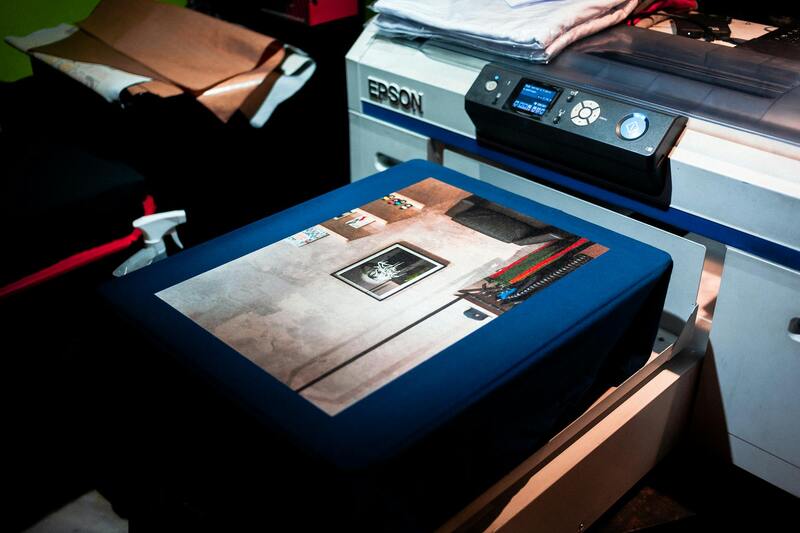
Engaging with experienced printing professionals can significantly enhance the quality and consistency of your business cards. Reputable printers bring expertise in color calibration, material selection, and finishing techniques, which are essential for translating your design into a tangible product that aligns with your branding standards.
When working with printers, communicate your expectations clearly by sharing comprehensive specifications—such as preferred paper types, finishes, and any special effects like foil stamping or embossing. Request proof samples to evaluate the color match, texture, and overall feel before proceeding with the full run. This step minimizes errors and ensures the final product meets your standards.
Opt for printers that offer quality assurance programs, including color management systems and consistent quality checks. These protocols help maintain high standards across all printed batches and guarantee that your business cards will look professional and uniform in every set distributed.

Implementing Storage and Distribution Strategies
Once printed, organizing your business cards efficiently supports effective distribution and inventory control. Use digital cataloging systems to keep track of batch numbers, print dates, and quantities, facilitating easy reordering and quality feedback.
For high-volume storage, invest in protective containers that prevent bending, smudging, or exposure to moisture. Clearly labeled sections or categorized storage units enable quick retrieval during networking events, meetings, or mail campaigns, preserving the professional appearance of your cards.
Distribution strategies should include guidelines for card handing to ensure consistency in branding presentation. Keep some units reserved for special occasions or key contacts, while maintaining an ample supply for routine interactions. Proper storage and strategic distribution amplify the impact of your business cards, reinforcing your brand identity and fostering valuable connections.
Utilizing Official Resources for Business Card Design Excellence
Creating a compelling and professional business card hinges on employing reputable resources that adhere to established standards in design and production. Agencies specializing in business card design often provide extensive portfolios and sample collections, demonstrating compliance with industry best practices. These resources encompass detailed specifications on logo placement, typography, color schemes, and layout balance, ensuring each element serves a purpose aligned with branding objectives.
Similarly, high-quality printing services operate within rigorous quality assurance frameworks. They utilize advanced color management systems to maintain color fidelity across batches, ensuring that printed cards accurately reflect the original digital designs. Choosing a printer with verified quality control protocols minimizes the risk of discrepancies such as mismatched colors, misaligned text, or inconsistent finishes. This commitment to quality ensures that each batch of business cards consistently meets professional standards.
Furthermore, industry-specific templates offered by recognized design platforms serve as valuable starting points. These templates adhere to officially recommended dimensions, avoid design pitfalls like overcrowding, and incorporate optimal font choices and spacing, all of which are crucial for creating effective business cards. By leveraging such legitimate templates, businesses can streamline the design process while guaranteeing adherence to professional guidelines.
Robust online repositories, including official design catalogues and manufacturer resources, also provide detailed specifications and recommended practices for materials, finishes, and features. These sources often include comprehensive documentation on paper types, lamination options, embossing, foil stamping, and other official embellishments. Consulting these authoritative materials ensures that all design choices align with recognized standards, thereby enhancing the durability, appearance, and overall professionalism of the final product.
In addition to digital and print resources, industry associations and certification bodies offer valuable guidance on compliance with design and printing standards. Membership or certification from reputable organizations can serve as an assurance that the business card design process follows official protocols, promoting trustworthiness in the final output.
Optimal Approaches for Business Card Design
Ensuring your business card design is both effective and professional involves utilizing methods that adhere to recognized standards and best practices. Engaging with reputable sources of design templates and materials is a cornerstone of this process. Industry-specific templates provided by trusted design platforms serve as solid foundations, guaranteeing dimensions, spacing, and font choices remain consistent with professional norms. These templates are developed in accordance with official specifications, reducing the risk of design errors that could compromise the card's impact.

Further, sourcing materials and embellishments from official manufacturers and reputable suppliers provides clarity and confidence in your choices. Industry catalogs and authorized suppliers often offer detailed documentation regarding paper qualities, finishes, and optional features like embossing, foil stamping, or lamination. Relying on these trusted sources ensures that material selections conform to recognized quality parameters, enhancing the durability and visual appeal of your business cards.
Leveraging Industry Resources and Certification
Additional assurance comes from consulting with industry associations and certification bodies that establish formal guidelines for print and design standards. These organizations often provide valuable resources and certifications that reinforce adherence to professional protocols. Membership or acknowledgment from such bodies can serve as a testament to the rigor of your design process, ensuring that your business cards are produced by methods aligned with established industry practices.

Maintaining Authenticity and Compliance
When designing business cards, it is critical to work within the parameters set by reputable organizations and official resources. This involves selecting dimensions that match those officially recommended, utilizing approved typographies, and choosing finishes that meet industry standards. Such due diligence ensures the final product is not only aesthetically compelling but also compliant with recognized best practices for print quality, longevity, and visual clarity.
Implementing Standard Specifications
- Size: Opt for the standard dimensions widely accepted across industries to ensure compatibility and ease of distribution.
- Material: Use high-quality cardstock and finishes advocated by authoritative sources for durability and premium feel.
- Design Elements: Incorporate clear fonts, appropriate spacing, and legible color contrasts following established guidelines.
- Features and Embellishments: When adding special finishes, select those recommended by official manufacturers to guarantee consistency and quality.
The Role of Quality Assurance in Business Card Production
Working with certified and proven printing services is essential to reproduce your design faithfully. These providers typically adhere to stringent standards, utilizing advanced machinery and verified materials. Confirming that the printing process aligns with industry protocols ensures your business card accommodates your branding needs while maintaining high visual and tactile standards.
In addition to visual fidelity, quality assurance involves verifying color accuracy, crispness of details, and the uniformity of finishes across all cards produced. Engaging with legitimate printing services often includes review stages and proofs, enabling adjustments before mass production, which helps uphold your brand’s professionalism and integrity.