Business Card Printing: Guide To Choosing The Best Service And Finishes
Introduction to Business Card Printing
In today’s competitive professional landscape, a well-designed business card remains a fundamental tool for establishing a memorable brand identity and fostering valuable connections. Business card printing is not just about sharing contact details; it embodies your brand’s personality, professionalism, and attention to detail. High-quality printed cards serve as a tangible representation of your business, conveying credibility and trustworthiness to potential clients and partners.
Investing in top-tier business card printing ensures that every element—from design to finish—is executed with precision. Offset and digital printing services cater to diverse needs, whether you require a small batch of custom designs or bulk orders for larger events. Superior printing techniques and premium materials create an impactful first impression that can differentiate your brand in bustling networking environments or during client meetings.

In addition to aesthetics, the durability of your business cards depends significantly on the choice of printing methods and materials. For example, laminated finishes and thick cardstock contribute to a sturdy and professional-looking card, resistant to wear and tear. This longevity ensures your contact details remain legible and your branding stays intact through multiple exchanges.
Choosing legitimate printing services emphasizes consistency, quality control, and compliance with industry standards. Reliable providers employ advanced printing techniques, utilize authentic materials, and adhere to G7 color standards to ensure color accuracy and uniformity across your printed collateral. These professional practices safeguard your brand's integrity and guarantee a high-end product that aligns with your corporate image.
Understanding the significance of business card printing and selecting the right service provider are critical steps toward effective branding. Whether you need simple designs or customized finishes, working with established printing companies ensures your cards meet the highest quality benchmarks and reflect your brand’s professionalism and uniqueness.
Official Methods for Business Card Printing
Employing trusted and established printing channels safeguards the quality and consistency of your business cards. The most reliable approach involves partnering with reputable commercial printing facilities that specialize in business collateral. These providers utilize advanced technologies such as offset and digital printing, which are capable of producing sharp, vibrant images with precise color matching aligned with industry standards.
When selecting a printing service, verify their adherence to recognized quality control procedures. High-caliber providers often possess certifications and utilize authentic materials, including premium cardstock, specialized finishes, and eco-friendly inks. This ensures that the end product maintains a professional appearance, durability, and resistance to common damages like scratching or water exposure.

Many reputable printers offer a variety of customization options, such as unique finishes, embossed elements, foil accents, or spot UV coatings, which can be incorporated through legitimate printing processes. These enhancements require sophisticated equipment and trained technicians to execute effectively, further highlighting the importance of choosing a service with proven expertise.
Authentic Materials and Finishes
- Premium cardstock: Thick, durable paper options that communicate quality and professionalism.
- Laminated finishes: Provide protection against wear and tear, enhancing longevity.
- Specialty finishes: Matte, gloss, or soft-touch coatings to create unique tactile experiences.
- Embossed or Debossed Effects: Add dimensionality and sophistication to design elements.
- Foil stamping: Implements metallic or colored foil accents for emphasis and elegance.
Utilizing authentic materials and finishes through legitimate providers guarantees consistency across batches and supports your branding efforts with a cohesive, high-end look. Plus, officially sourcing materials ensures compliance with industry regulations, promoting sustainability and non-toxicity standards.
Color Management and Printing Standards
Adherence to recognized color management protocols, like the G7 color specification, is vital for achieving accurate and consistent colors on printed cards. Formal printing companies employ calibrated equipment and color profiles to minimize discrepancies between digital designs and the finished product. This meticulous process upholds your brand’s visual integrity and ensures that logos, color schemes, and design details are faithfully reproduced.
Importance of Proper File Preparation
Submitting appropriately prepared design files—high-resolution images, CMYK color mode, and bleed specifications—reduces the risk of printing errors. Professional printers often provide comprehensive guidelines to optimize file quality and reinforce the importance of using legitimate and correctly formatted digital content. This practice facilitates a smooth printing process and produces high-precision results that reflect your brand's professionalism.
By consistently leveraging reputable printing services and adhering to authorized methods, you achieve business cards that align with your branding standards and maintain a lasting impression. The investment in legitimate channels ultimately safeguards your brand identity, ensuring each card communicates professionalism and credibility effectively.
Ensuring Proper Compliance in Business Card Printing
Maintaining adherence to official standards during the business card printing process is vital for safeguarding the quality, consistency, and professionalism of your final product. Reputable printing providers prioritize compliance through strict verification of raw materials, adherence to industry-specific printing protocols, and thorough quality control checks. This approach guarantees that your business cards meet recognized standards for color accuracy, durability, and safety. Relying on licensed and registered printing establishments provides assurance that all processes—from file preparation and material sourcing to finishing techniques—are conducted following established procedures, minimizing risks associated with substandard production practices.

Utilizing Certified Printing Equipment and Materials
Certified equipment, such as calibrated presses and color management tools, ensures that every batch of printed business cards aligns with industry norms for color fidelity and consistency. Materials used—ranging from high-grade cardstock to environmentally friendly inks—must be sourced from legitimate suppliers who comply with safety and quality regulations. This ensures not only that the finished product accurately reflects your design but also that it adheres to environmental and safety standards. Proper certification and documentation about these materials and machinery create a foundation of trustworthiness and professionalism, reinforcing your brand’s credibility through the tangible quality of your cards.
Honor Digital File Preparation Guidelines
The digital files submitted for printing must be prepared in accordance with official specifications. This includes using high-resolution (300 dpi or higher) images, converting color profiles to CMYK mode for accurate color reproduction, and incorporating bleed areas to prevent unwanted white borders. By strictly following these guidelines, you avoid common errors such as pixelation or misaligned prints, which can compromise the visual integrity of your design. Certified printing providers typically offer detailed instructions and checklists to help clients prepare their files properly, ensuring seamless translation from digital concept to tangible product. This meticulous preparation upholds the quality standards essential for professional branding.
Maintaining Transparency in the Production Chain
Engaging with official printing services involves transparent communication about each stage of the manufacturing process. Reputable providers document sourcing, production, and quality assurance efforts, allowing clients to verify adherence to approved procedures. This transparency helps prevent any unauthorized alterations or deviations that could affect the authenticity of the final product. Additionally, it encourages accountability and continuous quality improvement, which are crucial for delivering business cards that precisely meet original design specifications. Transparent practices ultimately foster trust and ensure each card not only meets but exceeds expectations, reinforcing your professional image.

Understanding Official Business Card Printing Methods
To ensure that your business cards are of the highest quality and meet professional standards, it is essential to choose authorized printing channels that follow established manufacturing processes. Official business card printing involves several meticulously managed stages designed to produce durable, vibrant, and accurate representations of your branding. Engaging with reputable providers guarantees adherence to strict quality control measures, from sourcing premium materials to employing advanced printing techniques.
Standard and Advanced Printing Techniques
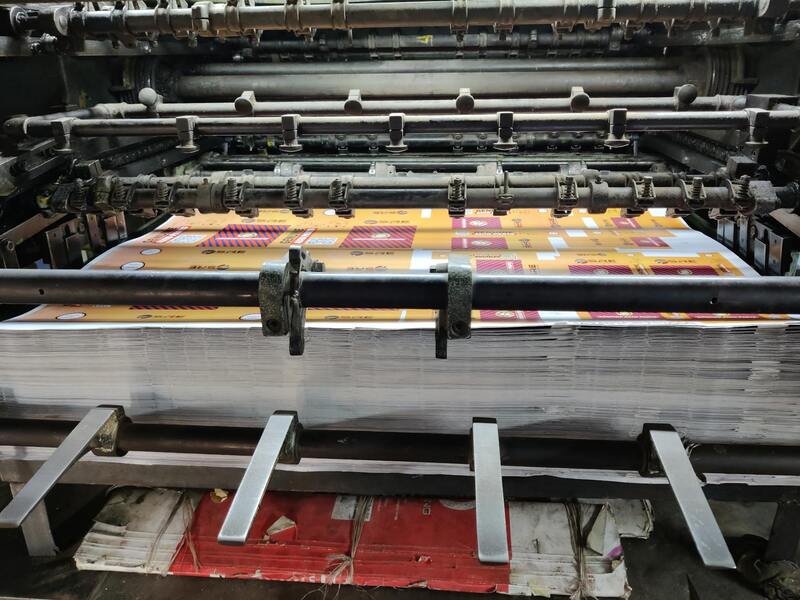
Professional business card production relies primarily on two main printing methods: digital and offset printing. Digital printing allows for quick turnaround times, cost-effective small batch runs, and versatile customization. It is ideal for personalized designs and rapid reprints. Offset printing, on the other hand, is preferred for large quantities due to its superior color consistency, sharp detail, and cost-efficiency at scale. It employs plates and precise ink application to achieve high-resolution results suitable for complex designs and textured finishes.
Specialty printing processes add distinctive touches that elevate the professional appearance of your cards. Spot UV coating provides a glossy highlight to specific design elements, enhancing visual depth. Embossing and debossing create tactile impressions that contribute to a refined look and feel. Foil stamping introduces metallic accents, which can dramatically improve the card’s prominence and perceived value. Incorporating these techniques requires specialized equipment and skilled craftsmanship, underscoring the importance of working with duly authorized print providers.
The choice of process depends on your design complexity, budget, and desired impact. Ensuring that production aligns with official procedures mitigates risks related to quality inconsistencies or unauthorized modifications, thereby safeguarding your brand integrity.
Materials and Sustainability Considerations
Business cards are crafted from a variety of approved materials that meet both aesthetic and environmental standards. Common selections include cardstock, matte or glossy finishes, and textured surfaces. Reputable providers source these materials from verified suppliers committed to sustainable practices, ensuring that the raw components are responsibly harvested and processed.
Using certified materials not only aligns with environmentally conscious practices but also ensures durability. Heavier stock weights, such as 14pt to 16pt, provide rigidity and longevity, while thinner options may be preferred for lighter, more flexible cards. Certain materials are also treated to resist wear and tear, such as water and smudge resistance, which helps maintain the card’s pristine appearance over time.
Quality Assurance and Process Transparency
Engaging with official printing services involves a transparent approach to production. Reputable providers maintain detailed documentation of sourcing, manufacturing, and final quality checks. This openness allows clients to verify that their business cards are produced following industry-standard practices and approved procedures. Such transparency also minimizes the chances of discrepancies or undesirable deviations affecting the final product.
Furthermore, quality assurance protocols include comprehensive inspection phases, where printed samples are evaluated against agreed-upon specifications. Only after successful verification do the bulk orders proceed to completion. This rigorous validation process guarantees that each batch maintains the expected standards, supporting a consistent professional image for your business.
Ensuring Proper Methods for Business Card Printing
Implementing official methods for business card printing is crucial to achieving a professional and polished appearance that authentically represents your brand. Reputable printing services adhere strictly to industry standards, utilizing authorized equipment and verified materials to guarantee consistency and quality across every batch. Such practices involve meticulous calibration of printing machinery, ensuring that colors, resolutions, and finishes meet established specifications. This precision minimizes errors such as misalignments, inconsistent color reproduction, or smudging, which can detract from a business card's impact.
In addition to using high-quality equipment, many official providers employ standardized printing processes such as digital, offset, or screen printing, each suitable for different project scales and design complexities. Digital printing offers quick turnaround times and is ideal for small to medium runs with detailed graphics. Offset printing, meanwhile, excels in high-volume production, delivering vibrant colors and sharp images at cost-effective rates. Adherence to these proven techniques ensures the durability and visual appeal of the final product.
Material sourcing also plays a vital role in maintaining authenticity. Reputable businesses procure raw materials from trusted suppliers who meet strict guidelines, reinforcing the integrity of the finished product. Certified supplies typically undergo rigorous quality control checks, ensuring that the paper or card stock used is consistent in weight, texture, and surface quality. These materials are often sourced from environmentally responsible vendors, aligning with sustainable business practices.

Transparency in the printing process is a hallmark of reputable providers. They often share detailed documentation of their sourcing practices and quality control measures, providing confidence in the production process. Through systematic inspections at various stages—such as pre-press checks, during printing, and post-production reviews—each batch undergoes thorough evaluation to meet specific quality standards. These rigorous validation procedures serve as a safeguard against deviations that could compromise the final appearance.
By strictly following documented procedures and utilizing reputable sources, official printing methods guarantee a business card's professional presentation and longevity. This approach not only enhances brand credibility but also ensures the final product aligns seamlessly with your branding goals, leaving a lasting impression on recipients.
Approaches to Authentic and Reliable Business Card Printing
When seeking business card printing solutions that uphold accuracy and quality, prioritizing methods that are based on official channels is essential. Reputable printing services adhere strictly to established procedures that involve authorized sourcing of raw materials, advanced machinery, and meticulous quality control. This disciplined approach ensures that each card produced meets high standards of consistency, durability, and visual appeal.
Authorized printing facilities operate with verified equipment that is regularly maintained and calibrated to produce precise color matching, sharp graphics, and clean finishes. These devices are capable of handling various printing techniques, such as offset, digital, or special effects printing, which are executed under strict operational guidelines to guarantee flawless output.
In addition, official manufacturers utilize certified supplies sourced from environmentally responsible, quality-assured vendors. These materials, such as premium cardstock, textured papers, or specialty finishes, are tested through comprehensive processes to ensure uniformity in thickness, surface smoothness, and overall longevity of the final product. This focus on quality materials not only enhances the visual impact but also extends the usability of your business cards.
Reputable businesses systematically execute detailed pre-press preparations, including proof approvals, color management, and layout verification, before proceeding to production. During printing, continuous monitoring ensures operational consistency, while post-production inspections guarantee that the finished products adhere to all defined standards.
Transparency in the entire production cycle is a hallmark of authentic methods, with reputable providers often sharing comprehensive documentation of their sourcing practices and quality assurance processes. Such practices establish a foundation of trust and accountability, enabling clients to be confident that their business cards will retain their professional appearance over time.
By strictly adhering to approved procedures and utilizing certified resources, official business card printing safeguards the integrity of your branding. This approach guarantees the final product not only captures your intended design but also endures the rigors of daily handling, thereby reinforcing your professional identity at every interaction.
Ensuring the Authenticity of Business Card Printing Methods
Utilizing official and proven techniques for business card printing is vital to maintaining quality, durability, and brand integrity. Recognized providers adhere strictly to established procedures that involve multiple stages of quality control, from pre-press approvals to post-production inspections. These stages guarantee that the final product aligns with high standards and confirms that the production process respects necessary protocols.
One of the core aspects of legitimate business card printing is the use of certified equipment and quality materials. Suppliers select environmentally responsible sources for their substrates, such as premium cardstock, laminated layers, or specialty finishes, which are compatible with the advanced printing technologies employed. These materials are rigorously tested for color fidelity, dimensional stability, and longevity.

Throughout the manufacturing sequence, reputable printers implement comprehensive procedures to verify image accuracy, color consistency, and structural integrity. This involves using calibrated color management systems that ensure the printed colors match the digital designs precisely. Moreover, they perform regular calibration and maintenance on their printing equipment, which is essential to uphold the high standards demanded by official protocols.
Another crucial element is the transparency in sourcing and quality controls. Top-tier providers often supply detailed documentation outlining their supply chains and quality assurance strategies. By doing so, they foster trust and confirm their practices align with industry standards, ensuring clients receive business cards that not only look impeccable but also withstand everyday use without deterioration.

From the initial design validation to the final packaging, every step in the production process is executed under strict oversight. Proofing procedures allow clients to review and approve the layout before printing commences, preventing errors and ensuring the final product reflects their branding intentions accurately. This proactive approach preserves consistency and quality throughout the entire cycle.
Moreover, adherence to official methods involves the use of specialized finishing and embellishment techniques, such as spot UV coatings, foil stamping, embossing, or lamination. These enhancements are applied following validated standards to guarantee proper adhesion and durability, further elevating the professionalism of the business card. Each process is carefully monitored to prevent defects, ensuring a consistent, high-quality output every time.
Using legit methods for business card production not only upholds aesthetic standards but also ensures performance in professional settings. Cards produced through sanctioned channels are more resistant to wear and tear, have vibrant and lasting colors, and maintain their appearance over extended periods. This comprehensive approach to quality control substantiates the trustworthiness and reputation of the brand represented by the business card.
Ensuring Proper Methods in Business Card Printing
Executing business card printing through established and recognized channels guarantees adherence to proven standards and quality benchmarks. Utilizing official methods involves comprehensive quality control processes, which encompass every stage from design validation to final finishing. This meticulous approach minimizes errors, reduces waste, and guarantees a consistent, high-caliber outcome that effectively represents your brand's professional image.

Strict process oversight entails rigorous proofing procedures, allowing clients to verify layouts and specific design elements before production begins. This preliminary step is essential in identifying potential discrepancies early, thereby avoiding costly reprints and delays. Furthermore, the use of authorized printing techniques ensures the fidelity of intricate details such as logos, typography, and custom finishes.
Finishing and Embellishment Techniques
Official methods employ specialized finishing techniques that elevate the overall presentation and durability of business cards. Spot UV coatings provide a glossy, textured contrast that highlights key design elements. Foil stamping adds a metallic sheen, imparting a sense of luxury and refinement. Embossing and debossing create textured effects that add tactile interest and professional depth. Laminations, whether matte or gloss, serve as protective layers that resist scratching, humidity, and everyday wear, thus extending the lifespan of your cards.
Adherence to Material and Application Standards
Materials used in legitimate business card printing are selected based on strict quality standards designed to ensure compatibility with various printing and finishing processes. Heavy-weight cardstock, typically ranging from 250gsm to 400gsm, offers a sturdy feel and resists bending or creasing. Specialty papers, such as textured or recycled options, are also used within sanctioned frameworks, providing clients with choices that align with branding goals. The application of embellishments employs validated adhesives and techniques to maintain adhesion, consistency, and longevity.
Monitoring and Inspection Throughout Production
Each phase of production involves comprehensive inspections to detect and rectify defects early. Visual checks, measurement verifications, and color accuracy evaluations are conducted to maintain strict compliance with industry standards. This level of oversight ensures that every batch produced aligns precisely with client specifications and expectations.
Durability and Performance of Printed Cards
Business cards manufactured through reputable methods are inherently more resistant to the typical challenges faced during their use. Colors remain vibrant over extended periods, text remains sharp, and surface finishes withstand handling, moisture, and abrasion. These attributes promote a polished, professional appearance and reinforce trustworthiness in the eyes of recipients.
Final Packaging and Delivery Standards
Once completed, business cards are carefully packaged using materials that prevent damage during transit. Protective sleeves, sturdy boxes, and bubble wrapping are standard, ensuring that products arrive in pristine condition. Many service providers offer multiple delivery options, including express and bulk shipping, to meet diverse business needs efficiently.
Assessing Reputable Methods in Business Card Production
When selecting a printing partner, confirm that they employ the full spectrum of authorized techniques and materials. Look for providers with transparent workflows, certifications, and rigorous quality assurance protocols. Verified customer feedback and extensive portfolios indicate a proven track record of delivering precise, durable, and visually compelling business cards. Such diligence ensures that investments yield professional-grade results capable of making a lasting impression in competitive markets.