Guide To Large Scale Printing Online Services In Singapore
Understanding Large Scale Printing
Large scale printing, often referred to as wide-format or large-format printing, involves the production of printed materials on significantly larger surfaces than standard printing. This specialized printing technique is indispensable for creating impactful visual displays, including banners, posters, signage, and event backdrops. Its ability to produce high-resolution, large visuals makes it a vital component in marketing, advertising, and visual communication strategies across various industries.
In the realm of marketing and branding, large scale printing allows companies to craft eye-catching displays that capture attention from afar. From storefront signage and trade show displays to outdoor banners and promotional wall art, this method offers flexibility in design while maintaining clarity and vibrancy. Its importance lies in the capacity to transmit brand messages effectively to large audiences, whether in retail environments, outdoor events, or corporate presentations.

Beyond marketing, large format printing facilitates internal and external communication. For example, museums and galleries utilize large prints for exhibitions, while construction sites display safety signs and plans on expansive boards. The versatility of large scale printing extends to custom decorative elements, wall murals, and wayfinding signs, enhancing both aesthetics and functionality.
Applications often require durable materials customized to different environments. The ability to produce large, high-quality visuals on various substrates—such as vinyl, fabric, paper, or foam boards—enables diverse uses and lasting impressions. The significance of large scale printing is underscored by its capacity to combine visual impact with durability, ensuring that messages remain visible and effective over time.
As technology advances, online platforms dedicated to large scale printing simplify the process for clients. These platforms enable the seamless upload of designs, selection of materials, and configuration of sizes—all from the convenience of a computer or mobile device. This not only streamlines the ordering process but also ensures precision and consistency in every print job.
In summary, large scale printing is an essential tool in modern visual communication, offering expansive possibilities for branding, advertising, and environmental design. Its capacity to produce vivid, sizable visuals with high quality and durability makes it indispensable for businesses seeking prominent visibility and compelling display solutions.
Selection of Printing Technologies for Large Scale Projects
When opting for large scale printing online, understanding the different printing technologies available is crucial to achieving optimal visual impact and durability. The most prevalent methods include flatbed printing, solvent and eco-solvent printing, UV printing, and dye sublimation. Each technology offers unique benefits tailored to specific materials and applications. Flatbed printers, for example, are ideal for rigid substrates such as foam board, acrylic, and wood, allowing for crisp images on thick surfaces without additional mounting. Solvent and eco-solvent printers excel at producing vibrant, weather-resistant banners and outdoor signage, ensuring color longevity even under challenging environmental conditions.
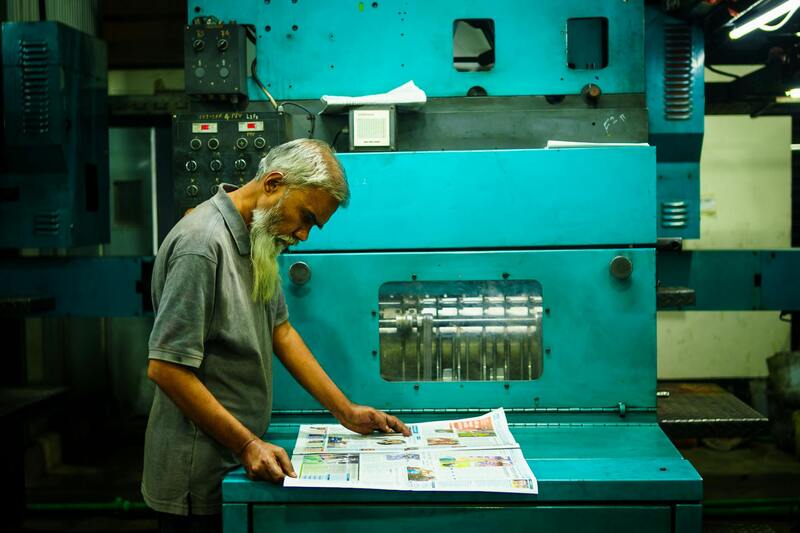
UV printing stands out for its ability to print directly onto non-porous surfaces with rapid curing, resulting in durable and detailed images on items like glass, metal, and plastic. Dye sublimation, on the other hand, is predominantly used for fabric-based outputs such as banners and curtains, enabling seamless, high-resolution imagery with excellent color fidelity. Selecting the appropriate technology depends heavily on the intended material, environmental conditions, and desired longevity of the print.
Design Considerations for Large Format Prints
Achieving a visually striking and accurate large scale print hinges not only on the right technology but also on meticulous design preparation. Resolution plays a pivotal role; designs should be created at a minimum of 150 dpi when scaled up to maintain clarity and prevent pixelation. In addition, color profiles and calibration ensure consistent output across different printing jobs and devices. Font choices and graphic elements should be optimized for viewing distances relevant to the intended display environment, with bold and simple visuals preferred for outdoor or expansive settings.
Proper file formats are essential for a smooth online ordering process. Commonly accepted formats include PDF, TIFF, and EPS, which preserve design integrity and ensure high-quality reproduction. Color management must align with printer specifications, often involving CMYK profiles to guarantee that printed colors match on-screen designs. Incorporating bleed within your design files guarantees that prints extend fully to the edges without unwanted borders or trimming issues.
Material Compatibility and Environmental Factors
The choice of material directly impacts the durability and visual quality of large scale prints. Vinyl remains popular for outdoor banners due to its resistance to weathering, while fabric options such as stretch or polyester are preferred for internal wall displays or decorative banners. Foam boards are frequently used for lightweight indoor signage, offering a smooth surface for vibrant graphics. Interactive or high-traffic environments demand materials with special coatings—such as UV protection or anti-scratch finishes—to preserve the integrity of the visual over time.
Environmental factors such as exposure to sunlight, moisture, and physical wear must be considered when selecting substrates. For instance, UV-resistant coatings are crucial for outdoor applications to prevent fading, while moisture-proof materials like laminated vinyl safeguard against humidity and rain. The environment also influences installation methods; heavy-duty adhesives or mounting systems ensure stability in windy or high-traffic locations.
The Process of Ordering Large Scale Printing Online
Convenience and precision are central to the online ordering experience for large scale printing. Clients typically start by uploading their digital files through a dedicated platform, where they can preview and approve proofs. Customization options such as material selection, size adjustments, and finishing touches—like grommets or hemming—are clearly presented for informed decision-making. Detailed specifications and guidelines help ensure that design files meet the printing requirements, reducing errors and reprints.
Once submission is complete, the online platform's order management system tracks production progress, offering clients real-time updates. Payment and delivery arrangements are streamlined through integrated payment gateways, with many platforms providing express options for urgent projects. After production, quality checks are performed to confirm color accuracy, resolution, and overall finish before dispatching the finished product.
Ensuring Precision and Quality in Large Scale Printing
High-quality results in large format printing depend on a series of careful steps, beginning with pre-press preparation. Designers should conduct color profiling and soft proofing to visualize how the final print will look, considering the material’s properties. Files should be checked for resolution, bleed, and safe margins to prevent cropping issues. Incorporating color calibration tools in design software helps maintain consistency across batches.
During production, calibration of printers and regular maintenance routines are vital to achieve consistent results. Monitoring ink levels and printhead health ensures sharp details and vibrant colors. Post-printing, quality control involves inspecting for color fidelity, registration accuracy, and surface smoothness. Proper finishing, whether trimming, lamination, or mounting, further enhances the visual appeal and longevity of the large scale prints.

Understanding Large Scale Printing
Large scale printing, often referred to as wide-format printing, involves producing graphics and visuals on substrates that are significantly larger than standard paper sizes. This technology is indispensable for creating impactful visual communications that demand high visibility and durability, including banners, billboards, trade show displays, vehicle wraps, and large posters. The process requires specialized printers capable of handling expansive media without compromising resolution or color fidelity, ensuring that every detail remains sharp and vibrant regardless of the size.

Choosing the right equipment and understanding the intricacies of large scale printing are essential for achieving optimal results. This includes considering the resolution requirements, substrate compatibility, ink types, and finishing options. As the demand for visually striking displays grows, so does the importance of collaborating with service providers equipped with advanced technology and a keen eye for detail.
Types of Large Format Printing Materials
The success of any large scale printing project heavily depends on selecting appropriate materials that meet both aesthetic and functional requirements. Common substrates include vinyl banners, fabric displays, mesh fabrics, canvas, foam boards, and adhesive-backed materials. Each type offers specific benefits:
- Vinyl – Durable, weather-resistant, ideal for outdoor banners and signage.
- Fabric – Creates vibrant, wrinkle-free displays suitable for indoor environments such as trade shows.
- Foam Board – Lightweight and rigid, perfect for short-term indoor signage.
- Mesh Material – Permits wind passage, ideal for large outdoor banners exposed to weather.
- Canvas – Provides a fine art feel for gallery-quality prints and decorative applications.
The choice of substrate will influence print quality, durability, and application method. It’s crucial to consider environmental factors, expected lifespan, and installation techniques when selecting materials for large format projects.

Understanding Large Scale Printing
Large scale printing, often referred to as wide format printing, is a specialized segment within the printing industry that caters to producing expansive visual displays and signage. This process involves printing on substrates that exceed the dimensions of standard printers, typically wider than 24 inches. It is an essential tool for creating impactful advertising materials, banners, posters, and decorative signs that are visually striking and designed to attract attention from afar. Precise calibration of color fidelity, resolution, and substrate compatibility are vital components to ensure that every large print project maintains high quality and durability. Such prints are frequently used in outdoor advertising, event promotions, retail displays, and architectural signage, where clarity and longevity are paramount.

Significance of Proper Methodology in Large Scale Printing
Executing large scale printing with efficiency relies on adhering to proven methodologies that focus on the technical specifics of the printing process. These include ensuring the correct resolution (often 150-300 dpi for large banners or posters), selecting compatible substrates, and using adequate ink systems suited for the environment—whether indoor or outdoor. Additionally, finishing techniques such as lamination, hemming, and eyeleting are incorporated to prolong the lifespan and improve the aesthetic appeal of the finished product. Advanced printing technologies like solvent, UV-curable, and latex printers facilitate the production of vibrant, weather-resistant graphics that withstand environmental factors, making the final display both eye-catching and resilient.
Challenges and Best Practices for Large Scale Printing
- Managing color consistency across large prints to maintain brand integrity.
- Choosing the right substrate based on environmental exposure, flexibility, and installation needs.
- Ensuring accurate alignment and registration for seamless images over expansive surfaces.
- Implementing quality control measures at each stage—from digital proofing to final output—to reduce wastage and errors.
- Strategic planning for installation, including considering wind load, surface texture, and mounting techniques to prevent damage or sagging.
Choosing the right printing partner involves understanding their capabilities and technology investments, particularly in handling large-scale jobs that demand precision and consistency. Verifying their experience in managing different substrates and their access to the latest printing equipment guarantees that projects are completed to top industry standards without unforeseen setbacks.
Adoption of Digital Workflow for Efficiency and Accuracy
The transition to digital workflows in large scale printing has revolutionized how projects are managed, from initial design to final output. Digital proofing allows clients to approve designs before production, drastically reducing errors. Automated file handling and pre-press checks streamline operations and shorten turnaround times. Cloud-based project management tools facilitate seamless communication between clients and production teams, ensuring specifications are met, deadlines are adhered to, and revisions are incorporated smoothly. These practices collectively enhance the efficiency and reliability of large format printing, providing clients with a more dependable service that aligns with tight schedules and high-quality expectations.
Understanding Large Scale Printing
Large scale printing, often referred to as wide format printing, involves producing graphics, signs, banners, or displays on materials that surpass standard printer dimensions. This process is essential for creating impactful visual communications in retail, events, real estate, and corporate branding. The key to successful large-scale printing lies in understanding the technical capabilities of printers, as well as the characteristics of different substrates used in the process. High-resolution digital printing technologies enable the production of vivid, detailed images on a variety of materials, paired with color management systems to ensure color fidelity across large surfaces. When selecting methods for large scale printing online, it’s crucial to consider industry standards and proven professional techniques that guarantee the precision and durability of the output. Expertise in handling diverse formats and substrates ensures consistent quality, even on complex or elongated surfaces, making large scale printing a powerful tool for transforming visual ideas into tangible assets.
Types of Large Format Printing Materials
Material selection plays a vital role in the effectiveness of large scale printing projects. The choice depends on the intended application, environmental exposure, and desired finish. Common materials include:
- Vinyl: Durable and weather-resistant, suitable for outdoor banners and signage. Variants like removable or adhesive vinyl provide flexibility for temporary or permanent displays.
- Fabric: Used for indoor banners and backdrops, offering vibrant color with a softer appearance. Often chosen for trade shows or event backdrops, fabric substrates reduce glare and lend a professional finish.
- Foam Board: Lightweight and rigid, ideal for point-of-sale displays, indoor posters, or short-term signage. Its smooth surface ensures high-quality color reproduction.
- PVC and Polycarbonate: Suitable for high-traffic areas or outdoor environments demanding robustness. These materials withstand the elements while maintaining image clarity.
- Mesh Banners: Designed with tiny holes for wind passage, making them suitable for large outdoor banners subjected to weather conditions.
Understanding the physical properties and environmental suitability of these materials helps in selecting the right substrate that ensures longevity and visual impact. When ordering large format prints online, detailed specifications regarding material options and finishes should be clarified to match project needs precisely.

Online Platforms for Large Scale Printing
Modern digital platforms specializing in large scale printing provide streamlined services that facilitate quick and precise project execution. Reputable online printing services utilize advanced equipment capable of handling wide-format substrates, ensuring consistent quality across every order. These platforms typically offer user-friendly interfaces that enable clients to upload designs directly, select materials, specify measurements, and choose finishing options. Many platforms also integrate automated proofing processes, which help verify design accuracy before production begins, reducing errors and material wastage. Customer support teams, often accessible via chat or email, assist with technical queries, assisting clients in confirming specifications and ensuring their visual concepts are accurately translated onto large surfaces. Moreover, advanced logistics systems coordinate the printing, drying, and shipping processes, guaranteeing timely delivery for urgent campaigns or events.
Popular Large Format Printing Products and Uses
Large scale printing covers a broad spectrum of products tailored to specific marketing, informational, or decorative needs:
- Banners and Billboards: Ideal for outdoor advertising campaigns that require high visibility from a distance.
- Wall and Window Graphics: Used to enhance interior aesthetics or promote brands within retail or office environments.
- Trade Show Displays: Including backdrops, stands, and pop-ups designed to attract attention and communicate key messages efficaciously.
- Vehicle Wraps: Full or partial vehicle advertising surfaces for mobile marketing strategies.
- Event Signage: Quick-to-install, large-format signs that direct, inform, or decorate during festivals, conferences, or product launches.
- Point-of-Sale Displays: Custom graphics on display units or counters to boost product visibility and customer engagement.
These products serve diverse purposes, from advertising and branding to informational and decorative functions, all benefiting from high-quality online large scale printing services that guarantee durability and visual impact in every application.
Understanding Large Scale Printing
Large scale printing encompasses a wide array of printing processes designed for producing oversized visuals that are used extensively in advertising, branding, and informational displays. This specialized field demands high-quality equipment capable of handling various substrates and delivering sharp, vibrant images that maintain consistency across expansive surfaces. The primary goal of large format printing is to communicate messages effectively from a distance, which is why precision, color accuracy, and durability are paramount. Unlike standard printing, large scale printing integrates advanced digital technologies that enable customization, quick turnarounds, and cost-efficient production runs. In the context of online services, these capabilities are harnessed to provide clients with seamless access to high-caliber printing solutions without the need for in-person visits.

Types of Large Format Printing Materials
Choosing the right material is critical for achieving desired visual impact and longevity. Common options include:
- Vinyl: Durable, weather-resistant, ideal for outdoor banners, vehicle wraps, and signage.
- Canvas: Offers a fine art aesthetic for gallery wraps and decorative purposes.
- PVC Boards and Foamex: Rigid substrates used for point-of-sale displays, signs, and exhibitions.
- Mesh: Designed for large outdoor banners exposed to wind, allowing airflow without tearing.
- Textile Fabrics: Used for trade show backdrops and fabric banners that need to be lightweight and portable.
The selection of material depends on factors such as location of display, environmental exposure, and specific usage requirements. Online printing services typically offer a range of options, from textured or matte finishes to high-gloss surfaces, ensuring versatile solutions for any project.
Online Platforms for Large Scale Printing
Numerous online platforms facilitate large scale printing by providing user-friendly interfaces and robust customization tools. Reputable sites often feature detailed product catalogs, instant quote calculators, and sample previews. They integrate streamlined upload processes for digital files, automatic color management, and eco-friendly printing practices. Advanced online platforms enable clients to specify dimensions, select materials, and choose finishes with confidence, knowing that order accuracy and quality are meticulously monitored through real-time tracking and quality assurance processes.
Some platforms also excel in offering design templates, ensuring that even non-designers can create visually compelling graphics. Customer support channels, including live chat and email, are integral to resolving technical questions promptly, helping to translate creative visions into precise large-scale outputs.
Popular Large Format Printing Products and Uses
Large format printing serves many functions across different industries. Key products include:
- Banners and Billboards: Ideal for catching attention from afar in outdoor advertising campaigns.
- Wall and Window Graphics: Used to enhance interior aesthetics or promote brands within retail or corporate environments.
- Trade Show Displays: Including backdrops,stands, and pop-ups designed to communicate brand messages effectively.
- Vehicle Wraps: Mobile advertisements that turn vehicles into moving billboards, increasing reach and visibility.
- Event Signage: Large signs that provide directions, information, or visual flair at events and festivals.
- Point-of-Sale Displays: Strategically designed graphics to attract shopper attention at retail counters.
These products are crafted with durability and visual appeal in mind, ensuring they withstand environmental factors while maintaining sharpness and vibrancy.
Factors to Consider When Choosing an Online Printing Service
Selecting the appropriate online large scale printing provider involves evaluating multiple criteria to ensure quality and reliability. Essential considerations include:
- Material Variety: The provider should offer a broad range of substrates to match the specific needs of each project.
- Print Quality and Resolution: High-resolution printing capabilities are vital for crisp images and consistent color accuracy.
- Turnaround Time: Fast processing and delivery options are crucial for time-sensitive campaigns.
- Customer Support: Accessible support with technical expertise assists in troubleshooting and design optimization.
- Cost Transparency: Clear pricing structures without hidden fees help manage budgets effectively.
- Environmental Policies: Practices such as eco-friendly inks and sustainable materials align with increasing demand for responsible production.
By carefully assessing these factors, businesses can secure a printing partner that consistently delivers high-quality large scale prints aligned with their branding and operational goals.
Understanding Large Scale Printing
Large scale printing, often referred to as wide-format or large-format printing, involves producing printed materials that exceed standard paper sizes, typically starting from 24 inches in width. This specialty printing technique is essential for creating impactful visual displays such as banners, posters, signage, and environmental graphics. It allows brands and organizations to communicate a powerful message on a grand scale, capturing attention quickly and effectively. Employing advanced digital printers capable of handling various substrates, large scale printing ensures vibrant colors, sharp details, and durable results suitable for indoor and outdoor applications. The versatility of this printing method makes it an ideal choice for marketing campaigns, exhibitions, retail displays, event signage, and more.
Types of Large Format Printing Materials
Choosing the right material is crucial for achieving optimal results in large scale printing. Compatibility with project specifications, environmental conditions, and desired longevity influence the selection process. Common materials include:
- Vinyl Banners: Durable, weather-resistant, ideal for outdoor advertising and events.
- Suede or Fabric Wallpapers: Offer a high-end finish for interior wall graphics.
- Mesh Fabric: Used for large banners where wind resistance is necessary.
- Foam Boards: Rigid substrates suited for indoor signage and displays.
- Canvas: Perfect for art reproductions and fine art printing on a wide scale.
- Vinyl Stickers and Decals: Custom cut graphics for window displays and vehicle wraps.
Each material offers specific benefits in terms of durability, ease of installation, and visual effect. A professional online platform provides a diverse range of substrates to match project demands, ensuring the best outcome for your large format print pieces.
Online Platforms for Large Scale Printing
Numerous online printing services specialized in large scale printing provide accessible, reliable solutions. These platforms enable clients to upload designs, select preferred materials, customize size options, and review digital proofs without leaving their workspace. Key features of these platforms include:
- Intuitive design interfaces that facilitate seamless uploads and customization.
- Preview tools that showcase how finished products will look.
- Multiple payment and delivery options to accommodate timelines and budgets.
- Clear and detailed specifications for each product, ensuring proper fit and finish.
- Effective customer support teams equipped with technical expertise to assist with inquiries and troubleshooting.
By leveraging reputable online large scale printing services, businesses and event organizers can streamline their production processes, meet tight deadlines, and access a variety of premium materials tailored to their specific needs, all from a centralized digital platform.
Ensuring Legal and Proper Methods for Large Scale Printing Online
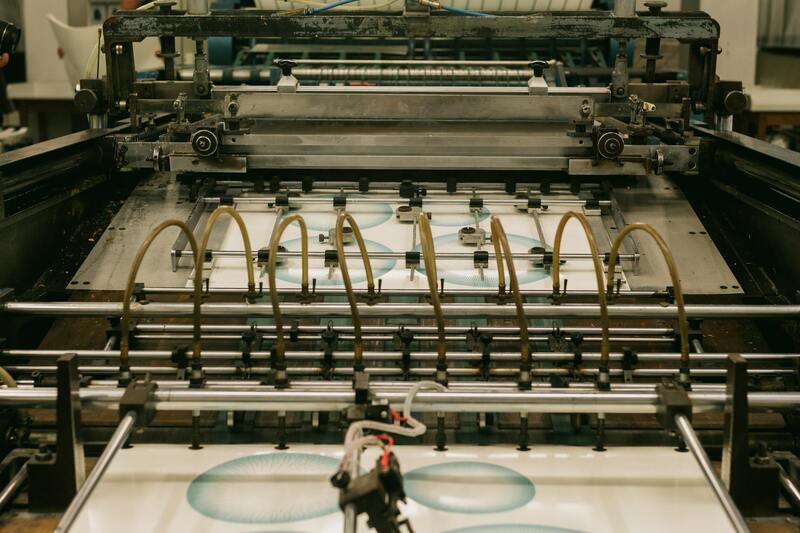
Engaging in large scale printing through online platforms necessitates adherence to official procedures that uphold transparency, quality, and ethical standards. Reputable online printing services, such as those found on trusted sites, utilize authorized production methods and comply with industry standards to guarantee that print materials meet quality specifications and legal standards. This includes sourcing materials from verified suppliers, employing certified printing equipment, and following established safety and environmental guidelines.
Securing Orders through Legitimate Channels
To maintain a legitimate process when ordering large scale prints online, customers should always utilize official websites and verified service portals. These platforms provide secure transaction environments, clear terms of service, and transparent pricing models. Additionally, legitimate online printers ensure their operations align with regulatory requirements—such as proper labeling, accurate representation of services, and secure handling of personal data.
Verification and Authentication of Reputable Platforms
- Official Domain and Contact Verification: Confirm that the online service operates through an official domain like s7printing.com and provides verified contact details, including customer support channels.
- Customer Reviews and Industry Accreditation: Review feedback from previous clients and check for industry affiliations or certifications that endorse the service provider’s credibility.
- Secure Payment Methods: Utilize trusted payment gateways that offer fraud protection, such as credit card payments or encrypted online payment systems, ensuring secure financial transactions.
- Transparent Pricing and Service Terms: Analyze detailed quotes and service agreements to ensure clarity about costs, delivery times, and revision policies, avoiding hidden fees or ambiguous commitments.
Utilizing Authorized Design Files and Content
Responsible online printing practices involve submitting design files that are either self-created or obtained through lawful channels. Customers should ensure that their digital content does not infringe on copyrighted material; instead, utilize original artwork or licensed images. Many platforms offer safe file upload portals with validation tools that check for resolution and file integrity, reinforcing the legitimacy of the order.
Adherence to Intellectual Property Regulations
- Only use authorized or licensed design assets.
- Avoid reproducing copyrighted logos or artwork without proper clearance.
- Ensure all content complies with intellectual property rights and usage agreements.
Confirmation of Production Compliance and Delivery
Once an order is placed, reputable online printers provide detailed order confirmations, including production timelines and delivery schedules. They often utilize trackable shipping methods, confirm that manufacturing processes adhere to industry standards, and provide proofing options before final production. Such transparency ensures that the printing is conducted using approved materials and methods, aligning with official standards.
Monitoring and Feedback for Continuous Legitimacy
- Engage with customer support for clarifications throughout the process.
- Review final products upon receipt to verify quality and adherence to specifications.
- Provide feedback that can help maintain oversight and enhance service transparency.