Guide To Printing Out Posters: Techniques, Materials, And Tips
Print Out Posters: An Essential Guide to Official Methods
Creating and printing posters is a vital component of visual communication, marketing, and branding efforts across various industries. Whether for advertising a product, promoting an event, or decorating a space, posters serve as an effective medium to convey messages to a target audience. To ensure the quality, durability, and impact of your posters, it is important to understand the legitimate methods of printout that guarantee professional results. This guide provides an in-depth look into the official avenues for printing posters, focusing on best practices, materials, and considerations necessary for achieving top-tier prints.

Understanding the Official Methods for Printing Posters
Official methods of printing posters involve specialized equipment and materials designed to produce high-resolution images suitable for various display environments. These methods include digital printing, large-format printing, and sometimes offset printing for bulk production. The choice of method depends on the poster's purpose, size, and expected longevity.
Digital Printing
This is the most common method for creating posters with quick turnaround times and impressive detail. Digital printing utilizes inkjet or laser printers that transfer images directly from digital files onto the chosen media. It supports a wide range of materials and finishes, making it suitable for both short-term promotional posters and limited editions.
Large-Format Printing
Designed specifically for producing oversized posters, large-format printing uses specialized wide-format printers capable of accommodating big media rolls. These printers utilize high-quality ink systems to produce posters that are vibrant and durable. Large-format printing is essential for billboards, event displays, and retail advertising, where visual impact is paramount.
Offset Printing
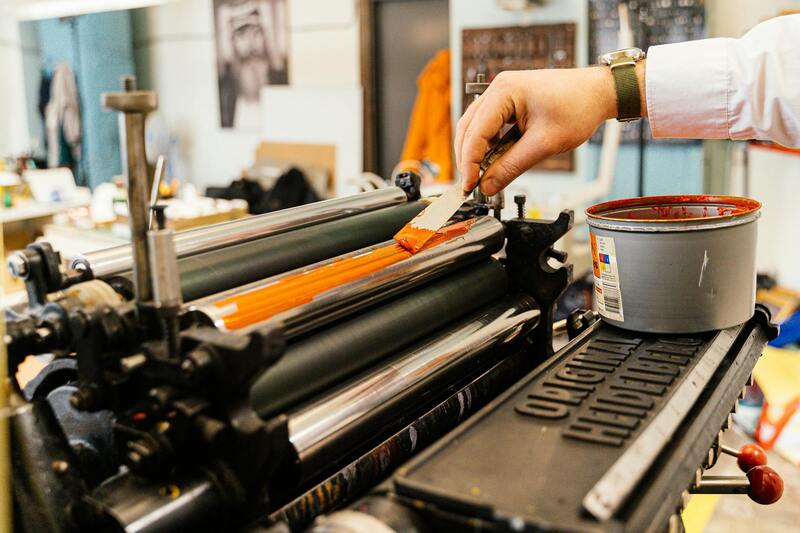
While less common for individual posters, offset printing can be used for large quantities with consistent quality. This method involves transferring ink from a plate to a rubber sheet and then onto the printing surface. Offset printing provides excellent color fidelity and cost-effectiveness for bulk poster orders, often used for campaigns requiring mass distribution.
Choosing Authorized Printing Partners
To ensure that posters meet professional standards, it is crucial to work with reputable print service providers that employ legitimate printing technologies and have quality assurance processes in place. Authorized printing partners often have certified equipment, experienced staff, and a portfolio of successful projects that reflect their expertise.
Key Factors When Selecting a Printing Partner
- Equipment Quality: Confirm their use of modern, high-resolution wide-format printers.
- Material Selection: Ensure access to durable, high-quality substrates such as vinyl, coated paper, or fabric.
- Color Accuracy: Look for providers that use color management systems and calibrated monitors.
- Finish Options: Decide on matte, gloss, or satin finishes based on your design and display environment.
- Turnaround Time: Verify their ability to deliver within your required timeframe without compromising quality.
Materials and Finishes for Official Poster Printing
The material choice significantly impacts a poster’s appearance, lifespan, and suitability for different display conditions. Common materials include:
- Glossy Paper: Enhances color vibrancy and image sharpness, ideal for indoor displays.
- Matte Paper: Reduces glare, suitable for viewing in well-lit environments.
- Vinyl: Durable and weather-resistant, perfect for outdoor use.
- Canvas: Offers a textured, artistic finish for decorative or promotional purposes.
Finishing options such as lamination, UV coating, or mounting enhance durability and visual appeal.
Legal and Ethical Considerations
Engaging with certified printing providers and authorized methods ensures that your posters comply with industry standards and best practices. These methods prevent issues related to color mismatches, material failures, and handling damages, guaranteeing the best results for official uses.
Visual References
Exploring Various Types of Posters and Their Practical Applications
When selecting the appropriate method to print out posters, it is essential to understand the diverse types available and their specific applications. Different materials and finishes serve varying purposes, from promotional displays to decorative artwork, ensuring optimum effectiveness for each intent. Recognizing these distinctions enables the creation of visually compelling and durable posters tailored to their intended environment.
Standard Paper Posters
Standard paper posters are the most commonly used for indoor promotional campaigns, events, or informational displays. Typically produced on glossy or matte coated paper, these posters provide excellent color richness and sharpness. Glossy finishes enhance vibrancy, making images stand out significantly, while matte finishes help to reduce glare for easier viewing in brightly lit spaces. The affordability and ease of printing make them suitable for temporary events or campaigns requiring quick turnaround.
Vinyl Posters
Vinyl posters are distinguished by their durability and weather resistance, making them ideal for outdoor advertising. They can withstand exposure to elements such as rain, wind, and sunlight without fading or warping, ensuring long-lasting visibility. Vinyl posters are also flexible enough to adhere to curved surfaces, which broadens their application to vehicle wraps, building exteriors, and street banners. Their resistance to water and UV rays secures their place in highly trafficked or outdoor display settings, maintaining visual appeal over extended periods.
Canvas Prints
For decorative purposes or promotional art that resembles fine artwork, canvas prints offer a textured, high-end look. Canvas posters are often used in interior design or upscale exhibitions, providing a sophisticated aesthetic. They are typically mounted on frames, adding a three-dimensional element to the display. Canvas is also less prone to glare, making it suitable for galleries and special displays where visual clarity is paramount.
Specialty Posters
- Metallic Finishes: Posters with metallic foils or coatings add a shimmering effect, catching light in subtle ways, perfect for luxury branding or awards.
- Weatherproof and Waterproof Options: Utilizing laminated or coated substrates, these posters resist moisture, tears, and UV exposure, fitting outdoor signage or maritime applications.
- Apparel and Fabric Posters: Textiles suitable for display in fashion shows, pop-up events, or themed interior decor, providing flexibility and a premium look.
Understanding the unique properties of each poster type facilitates the selection process, leading to effective visual communication in various environments.
Considerations for Material and Finish Selection
Choosing the right materials and finishes depends on several factors including display location, expected lifespan, lighting conditions, and overall aesthetic goals. Durable materials like vinyl or waterproof-coated papers are recommended for outdoor use, while matte-finished papers are preferred for environments with high ambient light to reduce glare. Finishing options such as lamination or UV coating not only enhance visual appeal but safeguard the posters from damage, ensuring the message remains impactful regardless of conditions.
Engaging with experienced printing providers ensures precise material handling and finish application, fostering the production of posters that meet quality standards and align with strategic branding objectives.
Understanding the Range of Poster Types and Their Specific Applications
Posters serve a versatile role in visual communication, catering to a broad spectrum of purposes across various sectors. When selecting a poster type, it is crucial to consider the specific application to ensure the design and material align with the intended message and environment. Standard posters are commonly used for advertising campaigns, event promotions, and informational displays, offering a cost-effective solution with quick turnaround times. These are typically printed on lightweight paper with matte or gloss finishes, enhancing color vibrancy and readability.
Large-format posters are essential for impactful outdoor advertising, trade shows, and point-of-sale displays. Their size draws attention from a distance and requires durable materials like vinyl or laminated substrates to withstand environmental factors. For indoor environments, where longevity and aesthetic appeal are priorities, options such as fabric or textured papers are preferred, offering a premium look that complements interior decor.
Specialty posters introduce a creative dimension, incorporating materials and finishes that elevate visual appeal. Metallic finishes, for example, provide a shimmering effect that adds a luxurious touch, ideal for awards or high-end branding. Weatherproof and waterproof posters are designed for outdoor use, featuring laminated or coated surfaces that resist moisture, UV damage, and tearing—perfect for maritime signage or outdoor events. Fabric posters, often used in fashion shows or high-end retail displays, offer flexibility and a distinctive tactile quality that sets them apart from traditional paper posters. These specialized options enable brands to communicate their message uniquely and compellingly, capturing attention and reinforcing brand identity effectively.
Materials and Finish Options for Durable and Aesthetic Posters
The choice of material and finish directly affects a poster’s durability, visual impact, and suitability for specific environments. Common materials include:
- Vinyl: Widely used for outdoor advertising due to its robustness and weather resistance. It maintains color vibrancy and withstands harsh conditions with proper lamination.
- Coated Papers: Offer gloss or matte finishes, enhancing color depth and reducing glare, suitable for indoor displays and short-term promotions.
- Fabric: Provides a sophisticated look with excellent flexibility, ideal for high-profile events or interior decor, and less prone to creasing or tearing.
- Laminated Substrates: Laminations add an extra layer of protection against scratches, moisture, and UV damage, extending the lifespan of outdoor posters.
Finish options also play a pivotal role in the presentation and preservation of posters. Matte finishes reduce glare and are preferred in environments with high ambient light, ensuring easy readability. Gloss finishes elevate color richness and are used for attention-grabbing displays. UV coatings provide additional protection from sun damage and fading, especially crucial for outdoor posters, maintaining vibrancy over time.
Partnering with experienced printing providers ensures the correct handling of materials and application of finishes, resulting in high-quality posters that meet strategic objectives. From selecting the right substrate to applying protective coatings, each step influences the final outcome's effectiveness and longevity.
Types of Posters and Their Uses
Choosing the appropriate type of poster is crucial to effectively communicate your message and reach your target audience. Different poster types serve various purposes, each suited for specific environments and objectives.
Advertising Posters
Designed to attract attention and promote products, services, or events, advertising posters are typically bold and visually striking. They often include promotional offers, branding elements, and calls to action. The choice of materials, finishes, and sizes enhances their visibility in both indoor and outdoor settings.
Informational Posters
Intended to educate or inform, these posters focus on clarity and readability. They are commonly used in educational institutions, corporate environments, and public spaces to convey instructions, safety guidelines, or detailed information. High-quality printing ensures sharp text and graphics, making essential details easily digestible.
Decorative Posters
Mostly utilized within indoor decor, decorative posters enhance aesthetics and showcase artwork, photography, or designs. They often employ premium materials like fabric or coated papers with matte or gloss finishes to preserve visual appeal over time.
Event Posters
Event posters promote upcoming concerts, festivals, exhibitions, or community gatherings. They need to be eye-catching and durable to withstand various display environments. Selecting suitable sizes and finishes helps maximize impact and longevity.
Common Materials and Finishes for Posters
Material selection influences the durability, look, and overall presentation of posters. Understanding the key options helps in creating posters that align with specific display needs.

- Vinyl: Excellent for outdoor use, vinyl is weather-resistant and highly durable. It maintains vibrant colors and withstands exposure to elements, especially when laminated with UV coatings.
- Coated Paper: Suitable for indoor applications, coated papers come with gloss or matte finishes. They enhance color depth and reduce glare, making them ideal for short-term promotional posters.
- Fabric: Known for its sophisticated appearance and flexibility, fabric posters are resistant to creases and tears, making them suitable for high-profile displays or interior decor.
- Laminated Substrates: Applying a lamination layer offers comprehensive protection against scratches, moisture, and UV damage. Laminated posters are especially effective outdoors, extending their lifespan and maintaining vibrancy over time.
Finish options significantly impact a poster’s visual appeal and preservation. Matte finishes reduce glare, ideal for environments with bright lighting, ensuring readability. Gloss finishes intensify colors and attract attention but may reflect light. UV coatings safeguard outdoor posters from sun damage, preventing fading and ensuring the vibrant presentation remains intact for longer durations.
Choosing the Right Size and Dimensions
Size selection must correspond to the intended display environment and message scale. Larger posters are effective for outdoor billboards and large indoor spaces, while smaller sizes suit indoor corridors and point-of-sale locations.
Common Poster Sizes
- Small: Typically 11x17 inches, suitable for personal displays or detailed information requiring close viewing.
- Standard: 24x36 inches, widely used for advertising, event promos, and informational purposes due to its versatile size.
- Large Format: Over 36 inches, ideal for impactful outdoor advertising or gallery displays where visibility from a distance is essential.
When selecting poster dimensions, consider viewing distance, space availability, and the nature of the message. Proper sizing enhances readability and visual impact, ensuring your poster grabs attention and effectively communicates your intent.
Methods for Printing Out Posters Legally and Effectively
For individuals and organizations looking to produce posters that meet quality standards while ensuring compliance with industry best practices, understanding the official printing options is essential. These methods leverage professional printing technology and trusted service providers to guarantee vivid colors, sharp details, and durable finishes that withstand various display environments. Engagement with reputable digital and large-format printing services allows for customization in size, material, and finishes, ensuring each poster aligns perfectly with its intended purpose and setting.
Utilizing Professional Printing Services
Professional poster printing companies typically operate equipped with cutting-edge equipment such as large-format printers, UV printers, and Giclée printers. These machines facilitate high-resolution output on a wide array of materials, with options for matte, gloss, or UV-coated finishes. Opting for such services ensures adherence to industry standards, which is crucial for achieving precise color reproduction and consistent quality across multiple prints.
When working with a reputable provider, clients should specify their requirements clearly, including the intended display environment, preferred materials, finishing options, and size. This clarity allows the printer to recommend the most suitable printing techniques and materials, ensuring the final product effectively communicates its message and retains visual integrity over time.
Choosing Certified Printing Materials and Finishes
Using certified, high-quality materials is key to producing long-lasting posters. Common materials include heavyweight paper, vinyl, and waterproof substrates, each offering different advantages in terms of durability and visual appeal. Finishes, such as laminations and UV coatings, are applied during the printing process to enhance protection against environmental factors like moisture, UV rays, and scratches. These layers serve to prolong the poster's lifespan, especially for outdoor displays or high-traffic indoor areas.

The Role of Authorized Printing Vendors
Engaging with licensed printing vendors ensures that the poster production process abides by industry standards, providing clients with trusted and high-quality results. These vendors often have access to the latest technology and premium materials, enabling them to handle bulk orders and customizable options efficiently. Additionally, they provide expert guidance on design, material selection, and finishing techniques to optimize visual impact and longevity.
Rental and On-Site Printing Facilities
For certain situations, such as event setups or in-house campaigns, utilizing on-site digital printing facilities available at commercial printing centers can be a practical and reliable option. These facilities offer rapid turnaround times and allow for real-time adjustments, making them suitable for last-minute needs without compromising on quality.
Ensuring Proper File Preparation
Having correctly prepared digital files is crucial for professional printing. Files should be in high-resolution formats, such as PDF or TIFF, and adhere to the printer’s specifications regarding color profiles, bleed areas, and DPI settings. Properly prepared files minimize errors, reduce reprints, and ensure the finished product accurately represents the original design intent.
In summary, the most effective approach to printing out posters involves selecting reputable service providers equipped with advanced technology, utilizing high-quality materials, and following precise file preparation standards. This ensures that each poster not only looks visually striking but also maintains its condition over time, whether displayed indoors or outdoors. Properly printed posters serve as impactful tools for advertising, information dissemination, and visual communication, kindling engagement and interest among viewers.
Strategies for Legally Printing Out Posters
Ensuring that your poster printing process adheres to official channels not only guarantees a high-quality output but also supports compliance with established standards and standards for intellectual property. When seeking to print out posters through legitimate means, understanding how to access authorized services becomes vital. This includes selecting reputable printing companies with proven expertise, such as those leveraging advanced digital and large-format printing technologies. In particular, companies like s7printing.com offer comprehensive printing solutions tailored to meet a wide range of needs, from small promotional posters to large-scale advertising displays. These providers typically carry authoritative credentials, accreditation, and proven track records, which are reflected in their ability to produce durable, vibrant posters with consistent quality.

To print out posters through proper channels, consider the following key steps:
- Select Reputable Printing Services: Opt for established printing providers that have positive industry reviews, client testimonials, and showcase a broad portfolio of successful projects. Companies like s7printing.com typically offer a variety of customization options, high-grade materials, and eco-friendly printing practices.
- Provide High-Quality Digital Files: Prepare your posters using design software that adheres to technical standards—generally, files should be in high-resolution formats such as PDF or TIFF, with a minimum of 300 DPI. Including bleed areas and color profiles ensures that the final print matches your expectations.
- Verify Material and Finish Options: Work with the print provider to choose appropriate substrates, such as gloss or matte paper, vinyl, or outdoor weather-resistant materials. Finishing touches like lamination, mounting, or framing enhance durability and visual appeal.
- Define Accurate Sizes and Dimensions: Clearly communicate the required dimensions, whether standard poster sizes or custom dimensions, to ensure the final product fits your display requirements.
- Confirm Turnaround and Pricing: Obtain detailed quotes that outline costs related to size, material choice, and finishes, alongside estimated production and delivery timelines. Transparent pricing helps maintain budget control.
In addition to traditional printing, many reputable providers offer specialized services such as die-cutting, mounting, or even custom framing, which can elevate the impact of your posters. When the printing process is conducted through authorized channels, you gain the assurance of product consistency, adherence to safety standards, and access to professional support for troubleshooting and revisions.

By exclusively engaging with legitimate printing outlets, users ensure that their posters are produced in accordance with official procedures, fostering trust and reliability in the finished products. This approach also safeguards overarching intellectual property rights and promotes ethical business practices, which are integral to effective and responsible visual communication strategies.
Methods to Print Out Posters
When it comes to printing out posters, selecting official and reliable methods ensures vibrant visuals, durable quality, and consistent results. Several legitimate avenues are available, each tailored to meet different needs—whether for personal projects, commercial displays, or large-scale advertising campaigns. Engaging with certified printing providers or utilizing company-owned printing facilities is the most dependable approach to guarantee high standards and adherence to safety and quality regulations.
Official Printing Services at Reputable Websites
Many businesses specializing in large-format printing offer professional services dedicated to producing posters that meet industry standards. For instance, trusted online platforms provide comprehensive customization options, allowing customers to select from a variety of materials, finishes, and sizes. These services typically employ high-end digital printing technologies capable of rendering precise colors and sharp details, ensuring that the final product aligns with the intended design specifications.

Utilizing Authorized Local Print Shops
Authorized physical print shops are another official route for poster production. These facilities often operate under strict industry standards, utilizing state-of-the-art equipment to handle various materials and sizes. By working with these shops, clients benefit from direct consultation, which can optimize poster design and substrate selection. The interaction between client and technician ensures that the printout aligns with decorative, promotional, or informational purposes, whether for indoor or outdoor use.
In-house Printing with Approved Equipment
Organizations or individuals with access to certified printing hardware can produce posters internally, provided they operate within prescribed safety and quality guidelines. Utilizing approved large-format printers from reputable manufacturers guarantees that the print quality remains consistent and meets professional standards. This method offers control over the production schedule, cost management, and immediate alterations if needed, making it a practical approach for routine or bulk poster printing operations.
Legal Compliance and Procurement Best Practices
To ensure that poster printing is carried out through legitimate channels, users should verify the credentials of their chosen printing partners. This involves reviewing certifications, industry memberships, and customer testimonials to confirm compliance with established standards. Maintaining transparent communication regarding design files, material choices, and delivery timelines fosters trust and minimizes the risk of errors. When posters are printed through authorized sources, clients are assured of consistent quality, adherence to safety protocols, and a seamless production experience.
Digital File Preparation and Submission
Prior to initiating the printing process, submitting correctly prepared digital files is essential. Official printing services typically require high-resolution files in specific formats (such as PDF, TIFF, or JPEG) with color profiles calibrated to match the intended output. Ensuring that the design elements are within safe margins and that text is legible at the chosen size prevents costly reprints or adjustments. Using official templates or guidelines provided by the printer guarantees compatibility and optimal results.
Quality Assurance and Final Inspection
Prints produced through legitimate methods undergo rigorous quality assurance procedures. This includes color calibration, material inspection, and verification against the original design specifications. Clients should perform a final inspection upon receipt, checking for color accuracy, print clarity, and structural integrity. Working with authorized providers also facilitates straightforward resolution of any discrepancies, which upholds the integrity of the printed posters and ensures they meet the desired standards.
Official Methods to Print Out Posters
When seeking to print out posters through legitimate channels, it is essential to adhere to recognized procedures that ensure high-quality results and compliance with industry standards. This involves selecting an authorized printing service that offers a comprehensive range of printing options tailored to different poster types and purposes. Such providers typically utilize advanced printing technologies and premium materials to produce vibrant, durable posters suitable for indoor and outdoor displays.
To begin, clients should prepare digital files meticulously, ensuring they meet technical specifications required by the printing service. High-resolution files (preferably in PDF, TIFF, or JPEG formats) with correct color profiles facilitate accurate color reproduction. Design elements should be within safe margins to prevent cropping, and text must be legible at the chosen poster size. Many official printers provide templates and guidelines to streamline the submission process, reducing the risk of errors.
Selecting the Appropriate Printing Service
- Reputable Providers: Choose established companies with positive customer reviews and proven expertise in large format printing.
- Service Range: Ensure the provider offers a variety of printing options, including different finishes, materials, and sizes.
- Certifications and Compliance: Look for services that follow industry standards for safety, environmental sustainability, and quality control.
Design and File Submission
- Use vector-based designs where possible to maintain sharpness at large sizes.
- Embed or outline fonts to prevent font substitution issues.
- Confirm color profiles match output intentions, typically sRGB or CMYK.
- Review the design for safe margins to prevent important elements from being trimmed.
- Submit files via secure upload portals or approved channels provided by the printer.
Receiving and Inspecting Printed Posters
Upon completion, official printing services deliver your posters with accompanying documentation detailing production specifics. A thorough inspection upon receipt is recommended, checking for color fidelity, print clarity, and physical integrity. Any discrepancies should be promptly reported to facilitate resolution, which might include reprints or adjustments without additional costs if within the agreed parameters.
Proper Handling and Maintenance
To ensure the longevity of printed posters, proper handling and display techniques are crucial. Use clean gloves or tools to avoid fingerprints and smudges. Mount posters on suitable surfaces using non-damaging adhesives or framing methods that do not compromise the print. When displaying posters outdoors, opt for weather-resistant materials or protective lamination to shield against UV rays, moisture, and environmental wear. Adequate lighting, avoiding direct sunlight, further preserves the visual quality of your posters over time.