Poster Printing Price In Singapore: Costs, Factors, And Tips
Overview of Poster Printing Costs in Singapore
In Singapore, the expense associated with poster printing varies depending on several key factors, including size, material, and printing technology. Typically, prices for standard poster printing services range from as low as SGD 20 for small, basic posters to over SGD 150 or more for larger, high-quality prints. Understanding the different pricing components helps consumers and businesses alike make informed decisions, ensuring they select options that balance quality and budget.
Affordable, yet professional poster printing services are accessible across the city, offering competitive rates and diverse customization options. Recognizing the typical price ranges sets a foundation for estimation, planning, and comparison among different providers. As printing needs become more specialized, the costs may fluctuate based on specific requirements, making it crucial to understand the factors influencing these expenses.
Understanding Poster Printing Costs
Poster printing costs are primarily determined by the size of the print, the type of material used, and the complexity of the design. Typically, the larger the poster, the higher the cost due to increased material and printing time. Basic posters, suitable for indoor displays or promotions, are usually more budget-friendly, while high-resolution, textured, or weather-resistant finishes may carry additional charges. Recognizing these elements assists in budgeting effectively and selecting the best options that meet your visual and durability needs.
Factors Influencing Poster Printing Prices
- Size: Larger posters require more material and ink, resulting in higher costs.
- Material: Choices like standard paper, vinyl, or fabric influence pricing based on durability and presentation quality.
- Printing Technology: Digital printing offers quick, high-quality results at competitive rates, whereas traditional options may entail different fees.
- Design Complexity: Poster design intricacies, color usage, and finishes impact the price.
- Quantity: Bulk printing often reduces the unit cost due to economies of scale.
Common Poster Sizes and Pricing Examples
Understanding typical poster dimensions helps set realistic expectations regarding expenses. In Singapore, common sizes include A3, A2, A1, and A0, with prices escalating in tandem with dimensions. For instance, an A3 poster might cost around SGD 20-30, while an A0 poster could range from SGD 70-150 depending on specifications. These examples offer a benchmark for budgeting and comparing different service providers.
Material Options and Their Cost Implications
The choice of material significantly affects the overall poster printing price. Standard glossy or matte paper is economical and suitable for indoor displays. Vinyl or weather-resistant fabrics are more durable, ideal for outdoor use, and tend to be pricier. Specialty finishes such as laminated surfaces or textured papers provide enhanced aesthetics but may increase costs accordingly. Selecting the right material balances visual appeal, durability, and budget considerations.
Overview of Poster Printing Costs in Singapore
In Singapore, the cost of poster printing is influenced by multiple factors, including size, material, printing technology, and finishing options. Typically, prices range from SGD 20 for smaller, standard posters like A3 to over SGD 150 for larger formats such as A0, depending on complexity and specifications. Understanding these variables can help streamline budgeting and ensure selection of the most suitable service within your financial plan.

The choice of material plays a critical role in determining overall costs. Basic paper posters are affordable and ideal for indoor use, generally costing less than SGD 30 for smaller sizes. Weather-resistant vinyl or fabric options, suitable for outdoor displays, are more durable and typically priced between SGD 50 and SGD 120 depending on dimensions and finish. Special finishes like laminated coatings or textured surfaces add to the expense but enhance visual appeal and longevity.
Printing Technology and Its Impact on Pricing
Digital printing is the predominant method for poster production in Singapore, valued for its speed, color accuracy, and cost-effectiveness. It enables quick turnaround times and precise color reproduction, making it the preferred choice for most promotional or event posters. Traditional printing methods, often reserved for specialty materials or large-volume orders, may involve higher setup costs but could offer unique aesthetic qualities or special finishes.
Additional Charges and Customization Fees
Beyond standard printing rates, additional costs may accrue from various customization options. These include mounting and framing services, die-cutting, layered or textured effects, and special size adjustments. Some providers charge extra for expedited processing or delivery, and certain complex designs requiring extensive color matching or finishing treatments can influence overall expenditure.
Cost Optimization Strategies
- Opt for standard sizes like A3 or A2 when possible, as these typically offer the most economical rates.
- Choose materials that match the intended use; indoor posters don’t require weatherproof materials, reducing costs.
- Limit use of complex finishes or textures unless essential for the poster's purpose.
- Compare bulk printing discounts for large orders, which significantly lower the unit price.
- Schedule your print jobs during off-peak periods to potentially benefit from promotional rates.
Finding Cost-Effective Poster Printing Services
Many established printing service providers in Singapore offer transparent pricing and tailored packages to suit various budgets. It is advisable to request detailed quotes that specify all potential costs, including setup and finishing fees. Local digital printing shops, especially those specializing in large-format posters, can provide competitive rates, quick turnaround times, and professional quality outputs—key considerations for ensuring your promotional materials meet expectations without overspending.
Overview of Poster Printing Costs in Singapore
Singapore's vibrant commercial and event scene has fostered a competitive environment for poster printing services, making it accessible for businesses, artists, and organizations to produce high-quality promotional materials at varying rates. Understanding the factors influencing poster printing costs is essential for budgeting effectively and choosing the right service provider. Typically, poster printing prices encompass several components, including the poster's dimensions, material selection, printing technology, quantity, and additional finishing options. Recognizing how these elements interplay helps in estimating expenses and making informed choices.

Key Elements Affecting Poster Printing Costs
- Poster Size: Larger posters naturally incur higher costs due to increased material and ink usage. Common sizes such as A2 and A3 are generally more cost-effective, while custom dimensions might carry premium prices.
- Material Choices: Glossy, matte, or weatherproof materials each have distinct price points. Budget-friendly indoor posters typically utilize standard paper, whereas outdoor or durable posters require specialized weather-resistant substrates, which are more expensive.
- Printing Method: Digital large-format printers dominate poster production, offering excellent quality at reasonable rates. However, screen printing or lithography may be suitable for bulk orders, potentially reducing per-unit costs for high-volume projects.
- Quantity: Economies of scale are evident with bulk orders. Printing multiple posters simultaneously often yields discounts, making large batches more budget-friendly per piece.
- Finishing and Customization: Additional features such as lamination, mounting, framing, die-cut shapes, or textured finishes can significantly influence total costs. Expedited processing may also incur higher charges.
Additional Cost Factors and Expense Management
Beyond base printing fees, several supplementary costs may apply. For example, incorporation of complex color matching, special finishes, or unique size adjustments demands extra investment. Service providers might charge for design setup or proofing, especially for intricate visuals. To optimize costs, clients should consider consolidating orders, selecting standard sizes, and opting for essential features only. Clear communication with vendors ensures that expectations align with budget constraints, and requesting detailed quotations can reveal hidden fees or optional extras.
Conclusion
Mastering the elements that determine poster printing prices enables more strategic planning and resource allocation. By focusing on key factors such as size, material, quantity, and finishing options, clients can effectively manage costs without compromising on quality. Engaging with reputable providers who offer transparent pricing and customized packages ensures the production of impactful posters within budget. For those seeking value-driven options, comparing quotes from multiple local specialists and considering standard formats often results in the most cost-effective outcomes for diverse poster printing needs.
Overview of Poster Printing Costs in Singapore
In Singapore, the cost of poster printing is determined by a range of factors that include size, material, quantity, and finishing options. Professional print service providers like s7printing.com offer transparent pricing structures that reflect these variables. Understanding the price points associated with standard poster sizes and materials can help clients plan effectively for their marketing, educational, or decorative needs. High-quality large-format posters often command higher prices but offer enhanced durability and visual impact, making them suitable for both indoor and outdoor applications. Budget-conscious clients can benefit from selecting standard sizes and basic finishes, which often provide economical options without compromising essential quality requirements.
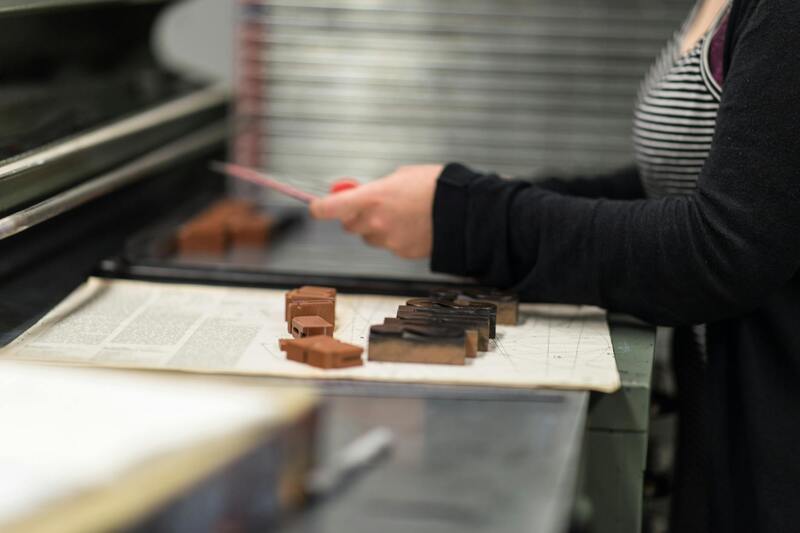
Understanding Poster Printing Costs
Poster printing prices are primarily influenced by the dimensions of the print, the choice of materials, and optional finishing touches. Standard formats such as A1, A2, and A0 come with predefined pricing tiers, which vary based on the complexity of the printing process and the quality of the materials used. Digital printing techniques, especially large-format printing, utilize advanced technology that ensures high-resolution output but may incur additional costs compared to traditional methods. The complexity of graphic designs, the level of color accuracy required, and any special effects or textures applied can further impact the final expense.
Price Structure of Common Poster Sizes
- A1 (594 x 841 mm): Typically ranges from SGD 30 to SGD 70 for standard quality prints.
- A2 (420 x 594 mm): Usually available for SGD 20 to SGD 50 depending on material choices.
- A0 (841 x 1189 mm): Costs can range from SGD 80 to SGD 150, reflecting larger surface area and material demands.
Clients should consider their specific purpose when choosing sizes to ensure cost-effectiveness. For instance, promotional banners may require larger formats, whereas internal posters for informational purposes might suit smaller dimensions. Inventory management, order volume, and turnaround time also influence overall pricing; bulk orders often attract discounts, while expedited services tend to carry premiums.
Material Options and Their Cost Implications
Different materials significantly affect poster printing costs. Common options include gloss or matte paper, vinyl, fabric, and backlit materials. The choice of material determines not only the visual appeal but also the durability and context of display. Vinyl posters, suitable for outdoor or long-term use, typically cost more than paper-based options due to their weather resistance and thicker composition. Similarly, textured or specialty finishes, such as lamination or gloss coating, add to the expense but enhance visual impact and longevity. Clients aiming to balance quality and cost should evaluate the environmental conditions and expected lifespan of their posters before selecting materials.
Printing Technologies and Pricing Differences
Advanced printing technologies like UV, solvent, and latex printing provide high-definition image reproduction and superior color accuracy. These techniques often come with higher setup and per-unit costs but deliver durable, weather-resistant outputs ideal for outdoor advertising or high-traffic environments. Meanwhile, traditional digital printing methods remain cost-effective for short-term needs or indoor applications. Recognizing the specific technology used by a printing provider helps clients anticipate costs and ensure their poster's visual fidelity aligns with branding standards and message clarity.
Additional Charges and Customization Fees
Beyond base printing fees, additional charges may apply for customizations such as die-cut shapes, textured finishes, or mounting and framing services. Design setup fees are common when clients require intricate graphics or proofs before final printing. Rush orders or expedited processing often incur additional costs to accommodate tighter deadlines. For multi-piece campaigns, some providers offer package deals that include printing, finishing, and installation services, enabling comprehensive cost management. Clients should inquire explicitly about these extras and request detailed quotations to avoid unexpected expenses and facilitate precise budget planning.
Tips for Cost-Effective Poster Printing
- Utilize standard sizes and formats whenever possible to leverage lower costs.
- Select economical materials suitable for the intended usage and display environment.
- Limit the number of custom finishes or special effects to essential areas only.
- Consolidate multiple printing projects into a single batch to benefit from volume discounts.
- Request detailed quotations and compare offerings across reputable providers.
Where to Find Affordable Poster Printing in Singapore
Reputable print specialists like s7printing.com offer a range of competitive pricing options tailored to diverse needs. By focusing on transparency, quality, and customer satisfaction, these providers ensure clients receive optimal value for their investment. Local print shops often provide consultation services to help determine the most cost-effective solutions without sacrificing quality. Additionally, browsing online platforms and comparing quotes can reveal pricing packages that suit small to large-scale poster printing requirements, enabling cost-conscious decision-making.
Comprehensive Breakdown of Poster Printing Price Components in Singapore
Understanding the various elements that influence poster printing costs in Singapore is essential for effective budgeting and project planning. Poster printing prices are determined by a combination of material choices, printing technologies, size specifications, and supplementary services. Recognizing these factors enables clients to make informed decisions aligned with their aesthetic and functional needs while maintaining cost efficiency.
Material Choices and Cost Variations
The selection of material significantly impacts the overall poster printing expense. Common options include:
- Glossy Paper: Offers a shiny finish with vibrant colors, ideal for promotional displays, but tends to be more expensive than matte options.
- Matte Paper: Provides a non-reflective surface suitable for text-heavy posters, generally at a lower cost than glossy materials.
- Vinyl: Durable and weather-resistant, making it perfect for outdoor applications, with prices reflecting its robustness.
- Foam Board: Rigid and lightweight, suitable for indoor displays; costs vary based on thickness and size.
- Metallic or Specialty Finishes: Add a premium touch, typically incurring additional costs due to their unique appeal.
Each material offers different cost implications rooted in manufacturing complexity, durability, and visual effect. Clients should assess the intended display environment and lifespan of the poster to select the most appropriate material that balances quality with budget constraints.
Printing Technology and Pricing Nuances
The technological approach underlying poster production also shapes pricing. Digital large-format printers are the standard for vibrant, high-resolution posters and typically involve variable costs based on ink usage and print speed. UV printing technologies, which provide enhanced durability and vibrancy, generally incur higher costs than traditional solvent or latex printing methods. Additionally, specialized equipment like flatbed or rotational printers may be reserved for large-scale or unique designs, influencing the total expense.

It’s crucial for clients to consider the balance between quality requirements and budget limitations when choosing a printing method, as this decision directly affects unit costs and overall project expenses.
Additional Costs and Customization Fees
Beyond primary printing expenses, several supplementary charges can influence the total poster printing price:
- Finishing Services: Lamination, mounting, or framing can add to the costs but enhance durability and presentation quality.
- Design Customization: Complex graphics, gradients, or high-resolution artwork may increase ink consumption and processing time.
- Size and Quantity: Larger posters or bulk orders often benefit from volume discounts but may also involve higher base costs.
- Delivery and Rush Orders: Express services to meet tight deadlines usually come with premium charges.
- Installation Services: On-site setup or mounting can be factored into the overall cost, especially for large or complex displays.

Clients should request detailed quotations that itemize these services to prevent unforeseen expenses and facilitate transparent budgeting.
Cost-Effective Strategies for Poster Printing
Effective cost management can be achieved through strategic planning:
- Opt for standard sizes and formats to leverage bulk pricing advantages.
- Choose materials appropriate for the display environment to avoid unnecessary upgrades.
- Limit the use of special finishes to essential areas or highlights.
- Combine multiple projects to maximize volume discounts.
- Request comprehensive quotations from reputable providers and compare offerings.

Adopting these practices ensures optimal use of the budget while maintaining high-quality output, essential for impactful visual communication within financial constraints.
Material Options and Their Cost Implications
Choosing the appropriate material for poster printing significantly affects the overall cost. Standard poster stocks like gloss and matte paper are generally affordable and widely available, making them popular choices for traditional promotional displays. These materials provide vibrant color reproduction and durability suitable for indoor environments. However, opting for premium materials such as fabric, vinyl, or specialty plastics can increase expenses due to their superior strength, weather resistance, and enhanced visual appeal. For outdoor signage or long-term displays, weatherproof materials justify the additional costs by offering extended lifespan and resilience against environmental factors. Additionally, textured or environmentally friendly materials may carry higher price tags but can add unique aesthetic qualities that distinguish your posters. When selecting materials, consider the display environment, longevity requirements, and budget constraints to achieve the best value without compromising on quality.

Cost variations are also influenced by the thickness or gsm (grams per square meter) of the material, with thicker stocks generally incurring higher costs due to increased material and processing requirements. For projects with tight budgets, balancing material quality with intended use is essential. Recyclable and eco-friendly options may also carry a slight price premium but contribute to sustainable branding efforts. Discussing your specific needs with your printing service provider ensures selecting the most suitable material that aligns with your financial and visual goals, ultimately maximizing impact and cost efficiency.
Comprehensive Insights into Poster Printing Price Determination in Singapore
When investing in poster printing services in Singapore, understanding the various components that influence the final cost is essential for effective budget planning and achieving optimal visual impact. It's crucial to recognize that pricing is not solely dependent on the size or quantity but also intricately linked to technological processes, material selections, and additional finishing services.
Technological Approaches and Their Pricing Impact
Different printing technologies offer distinct advantages and cost implications. Digital printing, which is prevalent for custom, short-run, or on-demand posters, provides high-quality output with relatively quick turnaround times at reasonable prices. Large-format printers utilizing UV or solvent inks cater to vibrant, weather-resistant outdoor posters but tend to carry higher costs due to specialized equipment and inks. Conversely, eco-solvent printers are gaining popularity for their environmental benefits and cost efficiency, particularly for indoor applications.
Material Choices and Their Influence on Cost
The selection of materials profoundly impacts poster printing expenses. Standard materials such as gloss or matte paper are cost-effective options suitable for indoor displays. However, opting for premium materials like vinyl, fabric, or weatherproof plastics increases expenses, especially when durability or outdoor use is required. The thickness or gsm (grams per square meter) of materials also plays a role; heavier, thicker stocks incur higher costs due to manufacturing and handling complexities.
- Gloss and matte paper: Budget-friendly, ideal for indoor banners and informational posters.
- Vinyl: Durable, weather-resistant, suitable for outdoor signage, higher cost.
- Fabric: Lightweight, eco-friendly, offers premium aesthetic but at a premium price.
Size and Dimension Pricing Disparities
Pricing varies notably with poster dimensions. Smaller posters (e.g., A3, A2 formats) typically have lower per-unit costs, making them suitable for promotional items or informational displays. Larger formats, such as A0 or custom sizes, require more material and extended printing time, leading to increased costs. It’s important for clients to specify precise dimensions to obtain accurate quotations, considering that some providers charge additional fees for non-standard sizes.
Additional Fees for Customization and Finishing
Beyond base printing fees, additional charges often apply for customization services that enhance visual appeal and durability. These include:
- Lamination for surface protection and gloss enhancement.
- Mounting or framing to facilitate display and transportation.
- Die-cutting for unique shapes and intricate designs.
- Special finishes like matte, gloss, or satin coatings, which increase aesthetic value.
These finishing options not only affect the overall budget but also contribute to the poster's lifespan and visual impact, ensuring your promotional materials stand out effectively.
Visualizing Cost Variability: Examples of Pricing Ranges
While specific prices fluctuate based on the aforementioned factors, typical costs can range from a few dollars per square foot for basic indoor posters on standard paper to over ten dollars for large outdoor banners with premium vinyl and protective coatings. For instance, a standard 24x36 inch poster printed on gloss paper might cost approximately SGD 20–50, whereas a 48x96 inch weatherproof vinyl banner could range from SGD 150–300 depending on the material and finishing requirements.

Understanding these pricing structures allows clients to choose the most suitable method aligning with their financial parameters and display objectives. Collaborative discussions with printing providers enable adjustments to material, size, and finishing to maximize value without compromising on quality, ultimately achieving impactful promotional outcomes within budget constraints.
Overview of Poster Printing Costs in Singapore
Determining the price for poster printing in Singapore involves understanding various factors that influence the overall cost. While some clients prioritize budget-friendly options, others seek high-quality materials for durability and visual appeal. As a result, the poster printing price can vary significantly, depending on size, material, and additional features. Typically, basic indoor posters on standard paper cost less, while large-format outdoor banners or posters with premium finishes incur higher charges. For businesses and individuals planning their budgets, understanding these variables enables better decision-making and ensures that investments align with display objectives.

Understanding Poster Printing Costs
Poster printing costs are primarily dictated by the materials used, printing technology, and the complexity of the design. The price structure often includes base rates for standard sizes and additional charges for custom options, finishes, or special materials. For instance, local print shops may charge between SGD 20 to SGD 50 for a standard 24x36 inch indoor poster, whereas large, weatherproof outdoor banners can range from SGD 150 to SGD 300 or more. Awareness of these pricing patterns assists clients in selecting suitable options that balance quality and budget constraints. A clear understanding of the breakdown of costs also facilitates comparisons among different service providers, ensuring transparency and value for investment.
Factors Influencing Poster Printing Prices
- Material quality: The choice between standard paper, heavyweight poster paper, or vinyl significantly impacts the price.
- Size: Larger posters naturally cost more due to increased material and ink usage.
- Printing technology: Digital, UV, or large-format printing methods have different cost implications.
- Finish options: Matte, gloss, lamination, or specialized coatings add to the expenses.
- Design complexities: Intricate graphics, custom die cuts, or special shapes incur additional charges.
- Order volume: Bulk ordering often reduces per-piece costs through discounts or package deals.
Common Poster Sizes and Pricing Examples
Standard poster dimensions such as 24x36 inches are among the most cost-effective options for indoor displays. As an example, printing a poster of this size on gloss paper could range between SGD 20 and SGD 50, depending on the vendor and finishes selected. Larger formats, like 48x96 inches or custom sizes, naturally increase cost, with prices approximately doubling or tripling based on the material and complexity. For outdoor signage, banners measuring 3x6 meters on weatherproof vinyl with protective coating can cost from SGD 150 up to SGD 300, offering durability against environmental elements. These examples help clients estimate potential expenses and choose sizes that fit their display needs and budget.
Material Options and Their Cost Implications
The selection of materials is crucial in determining the overall poster printing price. Standard poster paper is the most economical choice, offering sufficient quality for indoor use. For outdoor or long-term applications, weather-resistant vinyl or mesh materials are preferred, but these come at a higher cost. Premium options, such as textured or fabric-based surfaces, further increase expenses but deliver enhanced visual impact and durability. Clients should consider the purpose of their posters—whether for short-term events or permanent displays—to decide on the most suitable material that balances cost and longevity.
Printing Technologies and Pricing Differences
The choice of printing technology influences both quality and price. Digital printing, commonly used for smaller runs or custom projects, offers fast turnaround times and high-resolution outputs at moderate costs. Large-format printing with UV or eco-solvent inks caters to outdoor banners and signage, providing superior weather resistance but with higher price points. Each technology offers distinct advantages, and selecting the right method depends on the intended display lifespan, environmental exposure, and visual fidelity. Comparing these options helps optimize budget while ensuring the poster's functional and aesthetic requirements are met.
Additional Charges and Customization Fees
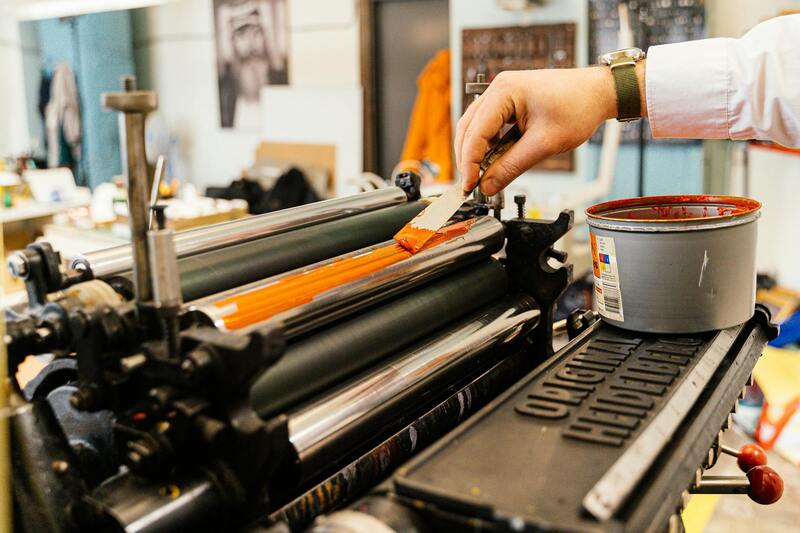
Beyond basic printing fees, additional charges may apply for customizations such as die-cut shapes, special finishes, or mounting services. Custom die-cut posters involve cutting out intricate shapes, which requires specialized equipment and adds to the price. Finishes like matte, gloss, or satin coatings, as well as lamination, can enhance durability and aesthetics but also increase costs. Mounting, framing, or special packaging requested for easy transportation or display can further elevate the total expense. Clients should discuss these options beforehand with their chosen printing service to understand potential extra charges and incorporate them into their overall budget plan.
Overview of Poster Printing Costs in Singapore
Singapore's diverse retail landscape offers a wide array of options for poster printing, ranging from local print shops to large-format specialists. The cost structure for poster printing varies significantly based on several key factors including size, material choice, printing technology, and additional customizations. Customers seeking affordable yet high-quality poster printing services should understand the fundamental pricing components to make informed decisions that align with their budget and design requirements.
Understanding Poster Printing Costs
The basic cost of poster printing typically encompasses several core elements: the size of the poster, the type of material used, the printing technology employed, and any additional custom features requested. Pricing is also influenced by the quantity ordered, with bulk orders often enjoying discounted rates. Short-run or one-off posters tend to carry a higher unit cost due to setup and material costs spread over fewer units.
Most providers these days operate on transparent, tiered pricing models that clearly indicate costs based on project specifications. This transparency allows clients to assess and compare options effectively, ensuring their poster prints meet both aesthetic and budgetary expectations.
Factors Influencing Poster Printing Prices
- Poster Dimensions: Larger posters require more ink and longer printing times, escalating costs proportionally. Common sizes like A2 or A1 present different price points compared to smaller formats.
- Material Quality: Thicker, textured, or weather-resistant materials such as PVC or canvas generally incur higher costs than standard poster paper.
- Printing Technology: Digital printing offers affordability and flexibility for smaller runs, while large-format UV or eco-solvent printing enhances durability at a premium price.
- Design Complexity: Intricate designs or high-resolution images that demand more ink or longer processing times can influence the overall expenditure.
- Quantity: Ordering in bulk typically reduces the per-unit cost due to economies of scale.
- Finish and Special Features: Matte, gloss, or satin coatings, as well as lamination or mounting, can significantly impact final pricing.
Common Poster Sizes and Their Price Differences
Poster sizes directly correlate with production costs. Standard sizes such as A3, A2, or A1 are widely available, but custom dimensions may come with additional setup fees. For instance, an A2 poster printed on gloss paper may start around SGD 20-30, whereas larger A1 formats or specialty materials can push prices upward of SGD 50-70. Clients should evaluate the intended display environment and viewing distance when choosing sizes, as this influences both budget and visual impact.
Material Options and Their Cost Implications
The choice of material is a key determinant of poster printing prices. Basic poster paper offers a cost-effective solution suitable for indoor displays. Premium options like vinyl, canvas, or weather-resistant materials extend durability and enhance visual appeal but carry higher costs. For outdoor signage, materials with UV resistance or waterproof features are recommended, often adding approximately 20-50% to standard paper printing costs. When estimating budgets, clients must consider the manufacturer's material quality and intended usage environment to ensure longevity and clarity.
Printing Technologies and Pricing Differences
The predominant printing methods for posters include digital, UV, eco-solvent, and latex printing. Digital printing is suitable for small to medium-sized batches, offering quick turnaround times at moderate prices. UV and eco-solvent options excel for large-format outdoor signage, providing weather resistance and vibrant color fidelity. These advanced techniques typically involve higher initial setup costs but are justified by their durability and print quality. Clients should weigh the benefits of each technology against their project scope to optimize their investment.
Additional Charges and Customization Fees
Beyond base printing costs, additional fees may accrue for customization options. Die-cut shapes require specialized equipment and design adjustments, often adding 15-30% to the standard price. Lamination or special coating finishes improve surface resilience and visual appeal, typically costing extra per square meter. Mounting, framing, or packaging services are available for enhanced display and transportation, influencing the overall expense. Clear communication with the printing provider about these options ensures accurate budgeting and project planning.
Overview of Poster Printing Costs in Singapore
Singapore's vibrant commercial environment and dynamic marketing strategies underscore the importance of effective visual communication, primarily through posters. The cost of poster printing is a significant consideration for businesses and individuals aiming to maximize visual impact without exceeding budget constraints. Market research indicates that pricing varies considerably based on size, material choice, printing technology, and additional finishing options. To navigate these variables effectively, understanding how each factor influences the overall printing expenditure is essential. Quality-focused poster printing ensures durability, vibrant colors, and professional presentation, all of which justify a range of costs aligned with project requirements and intended use. Being informed about typical price points and the components that contribute to costs enables clients to plan allocations accurately while selecting services that meet their aesthetic and functional expectations.
Material Options and Their Cost Implications
The choice of material significantly impacts poster printing costs. Common options include standard gloss or matte paper, vinyl, fabric, and rigid substrates like foam board or foam core. Each material is suited for specific environments and display durations. For indoor use, lighter papers and fabrics offer cost-effectiveness, while outdoor posters demand weather-resistant vinyl or laminated surfaces, which are more expensive. Rigid substrates, often used for mounting or freestanding displays, also carry additional material costs due to the thicker, sturdier composition. Clients should assess the intended display conditions and longevity requirements when selecting materials. While premium materials incur higher expenses, they enhance durability and visual appeal, ultimately delivering better value for prominent or long-term displays.
Additional Services That Affect Poster Printing Costs
Beyond the basic printing process, supplementary services can influence the final price of poster printing. These include:
- Lamination and coating: Adds a protective layer for surface resilience, typically costing per square meter, but significantly prolongs poster lifespan.
- Mounting and framing: Provides a ready-to-display finish, with framing costs varying based on material and size.
- Cutting and die-cutting: Customized shapes elevate visual uniqueness but involve additional setup charges, often comprising 15-30% of base costs.
- Special finishing effects: Such as matte, gloss, or soft-touch coatings, which enhance tactile and visual textures, tend to incur extra fees.
- Installation services: If professional mounting or installation is required, these services add to the overall expenditure, especially for large-format posters.
Cost-Saving Strategies for Poster Printing
Strategic planning can help mitigate expenses without compromising on quality. Clients are encouraged to:
- Opt for standard sizes where possible, as custom dimensions often generate additional costs.
- Limit the number of colors used; full-color posters tend to be more expensive than those with limited palettes.
- Package multiple posters into a single print run to benefit from economies of scale.
- Choose durable materials only when necessary—indoor posters may suffice with lower-cost paper options.
- Request detailed quotes with breakdowns to compare different providers and identify the most cost-effective options.
Image Placeholder

Comprehensive Guide to Poster Printing Price in Singapore
Understanding the cost structure for poster printing is essential for businesses, students, or event organizers aiming to create impactful visual displays without overshooting their budgets. The pricing of posters in Singapore varies based on multiple factors, including size, material choice, printing technology, and additional customization options. This guide provides a detailed exploration of these elements to help you navigate the landscape of poster printing costs effectively.
Understanding Poster Printing Costs
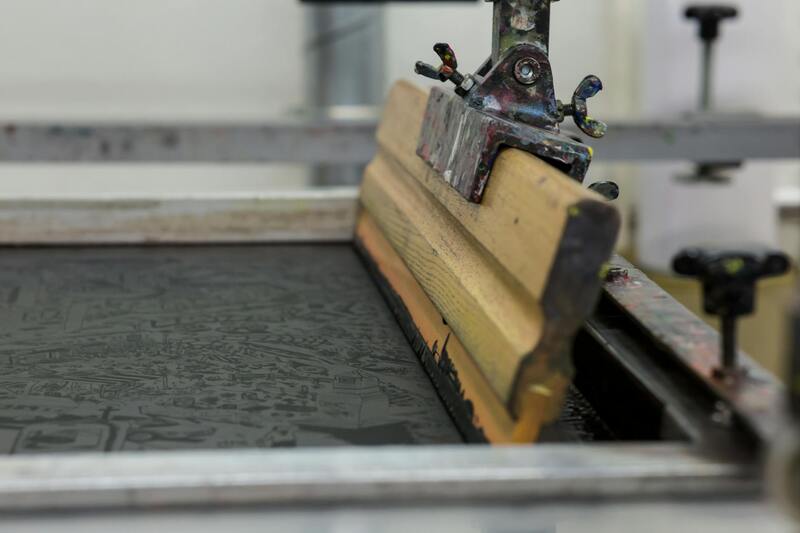
At its core, the poster printing price encompasses the expenses incurred in producing a high-quality visual product that meets specified dimensions and finishes. The base cost typically includes the digital file processing, setup fees, and the printing itself, with variations depending on the chosen specifications. Recognizing how these components influence total expenditure enables more informed decisions aligned with your budget constraints.
Factors Influencing Poster Printing Prices
- Size and Dimensions: Larger posters naturally require more material and ink, leading to increased costs. For example, an A0-sized poster generally costs more than an A4-sized print due to its surface area.
- Material Selection: The choice between standard paper, glossy, matte, or PVC banners affects the overall cost. Premium materials with special finishes command higher prices, but provide enhanced durability and visual appeal.
- Printing Technology: High-end digital printers with color calibration capabilities produce vibrant images but often come at a premium compared to standard digital presses.
- Color Printing: Full-color posters lead to higher expenses compared to monochrome or limited palette prints. The number of colors used directly correlates with ink costs.
- Finish and Coatings: Additional effects like lamination, UV coating, or soft-touch finishes increase production costs but significantly improve the post’s lifespan and tactile quality.
- Additional Services: Custom die-cut shapes, mounting, framing, and installation services are optional but contribute to the overall price, especially for large or complex visuals.
Common Poster Sizes and Pricing Examples
Standard poster sizes are widely available and influence pricing. Here’s a brief overview:
- A0 (841mm x 1189mm): Typically ranging from SGD 50 to SGD 150, depending on material and finish.
- A1 (594mm x 841mm): Usually between SGD 30 and SGD 80.
- A2 (420mm x 594mm): Costs often fall in the SGD 20 to SGD 50 range.
- A3 (297mm x 420mm): Priced approximately between SGD 10 and SGD 30.
- A4 (210mm x 297mm): The most economical, generally SGD 5 to SGD 15.
These ranges are indicative and can vary based on material preferences and additional finishing options.
Material Options and Their Cost Implications
The choice of material plays a significant role in pricing. Common options include:
- Standard Matte Paper: Budget-friendly, suitable for indoor use, priced at the lower end of the spectrum.
- Glossy Photo Paper: Enhances color vibrancy but costs more due to superior printing compatibility and finish.
- PVC or Vinyl Banners: Ideal for outdoor displays, these materials are more durable and tend to carry a higher price point, often between SGD 20 to SGD 60 per square meter.
- Rigid Board (Foam or Plastic Core): Often used for signs or exhibitions, these add to the cost but provide sturdiness and a premium appearance.
Pricing Strategies of Leading Poster Printing Providers
Top printing services in Singapore often adopt competitive pricing strategies to attract diverse client segments. These include volume discounts for bulk orders, tiered pricing based on size and material choices, and package deals that bundle printing with mounting or framing. Transparency in pricing breakdowns allows clients to select the most economical solutions without sacrificing quality, ensuring value for each dollar spent.
Estimating Your Poster Printing Budget
Accurately estimating your budget involves assessing the number of posters needed, preferred sizes, material durability requirements, and additional customization needs. Requesting detailed quotes from multiple providers, with specific specifications, helps compare prices effectively. Remember to factor in potential additional charges for special finishes or mounting services when planning your overall expenditure.
In practice, setting aside a flexible budget that accounts for unforeseen costs ensures that your project’s visual objectives are met seamlessly, whether it’s for a marketing campaign, event, or personal project. Being well-informed about the various components that influence poster printing prices empowers you to make choices that align with your budget and desired quality standards.
Overview of Poster Printing Costs in Singapore
In Singapore, the expense associated with poster printing varies significantly based on multiple elements such as size, material, quantity, and finishing options. Whether for marketing, personal projects, or events, understanding the typical costs helps clients allocate their budgets efficiently. Prices can range from as low as a few dollars for small, basic posters to several hundred dollars for large, custom-printed banners with premium materials and intricate finishes. Recognizing the market landscape and the factors influencing these costs ensures informed decision-making.

Understanding Poster Printing Costs
The base price for poster printing encompasses several components including the size of the poster, the choice of material, and the ink technology used. Standard sizes like A1 or A0 are priced differently from smaller formats such as A2 or A3, with larger sizes inherently costing more due to increased material and printing time. Digital printing methods dominate the industry because they allow for quick turnaround times and versatile material options, but the cost per unit can vary depending on the complexity of the design and the quality of inks used.
Price Influences
- Size and dimensions of the poster
- Material selection (e.g., standard paper, vinyl, fabric)
- Quantity ordered
- Finishing options such as lamination, mounting, or framing
- Print technology (e.g., UV, latex, solvent inks)
Factors Influencing Poster Printing Prices
A host of factors can affect the final poster printing price beyond the basic variables. Premium materials like textured or metallic finishes will increase costs, as will complex customizations such as die-cut shapes or laminated coatings. Bulk orders often attract discounts, making cost-per-piece more economical for larger projects. Urgency can also impact pricing—expedited services typically carry premium charges, ensuring faster delivery but at a higher rate.
Material Options and Cost Implications
The choice of printing material directly affects the overall budget. Traditional paper stocks are cost-effective and suitable for indoor displays, whereas vinyl and fabric materials offer durability and weather resistance, suitable for outdoor banners or long-term displays. Metallic and specialty finishes enhance visual appeal but require additional production steps, increasing costs. It is crucial to match the material selection not just with design aesthetics but also with cost considerations to maximize value.
Common Poster Sizes and Pricing Examples
The most frequently used poster sizes in Singapore include A2 (16.5 x 23.4 inches), A1 (23.4 x 33.1 inches), and A0 (33.1 x 46.8 inches). Pricing varies accordingly:
- A2 Poster: approximately SGD 20–50, depending on material and finish
- A1 Poster: approximately SGD 50–120, factoring in higher material costs and larger print area
- A0 Poster: roughly SGD 120–250 or more, considering the extensive ink coverage and premium options)

Material Options and Their Cost Implications
Choosing the right material involves balancing durability, appearance, and price. Standard paper that’s 150gsm or 200gsm weight remains the most economical choice, suitable for indoor use and temporary displays. Vinyl, particularly calendared or cast vinyl, provides weather resistance, making it ideal for outdoor signage but at a higher cost. Fabric materials, such as polyester or canvas, offer a premium look and long-term sustainability but also come with increased prices. Finishing touches like gloss, matte, or metallic lamination further influence the overall cost, offering additional protection and aesthetic enhancements.
Printing Technologies and Pricing Differences
The technology behind printing significantly impacts costs. Conventional digital printing methods are cost-effective for short runs and customized designs, whereas advanced UV or latex printing allows for high-resolution images and versatile material compatibility, often at a premium. Eco-solvent printers are popular for their durability and environmental benefits, but their higher operational costs are reflected in the final price. Understanding these differences helps in selecting the most suitable technology for your project budget.
Additional Charges and Customization Fees
Beyond standard printing costs, certain additional services can influence the overall expenditure. Custom finishes, such as matte or gloss lamination, increased ink coverage for vibrant colors, or special textures, add to the price. Mounting and framing services are often offered as packages but may incur extra fees based on size and complexity. If digitizing or intricate cut-out shapes are required, expect to pay more for the additional labor and materials involved.
Tips for Cost-Effective Poster Printing
To optimize your budget, consider the following strategies:
- Plan your poster sizes carefully to avoid unnecessary overspending on large formats if smaller sizes suffice.
- Choose durable materials only for outdoor applications or long-term displays; for short-term needs, standard paper or vinyl may be sufficient.
- Leverage bulk order discounts when producing multiple posters for events or campaigns.
- Limit costly custom finishes unless necessary, opting for standard matte or gloss laminations.
- Request detailed quotations from multiple providers to compare prices and services.
Where to Find Affordable Poster Printing in Singapore
Numerous local print houses offer competitive rates suitable for both small-scale and bulk projects. Establishments like s7printing.com are known for providing transparent and detailed pricing suited to various requirements. Online platforms that allow custom quotes, supplemented by local storefronts with in-person consultations, help clients access quality services at reasonable prices. Always inquire about volume discounts, package deals, and secondary charges to ensure clarity before proceeding with your order.
Comprehensive Breakdown of Poster Printing Price Components in Singapore
Understanding the cost structure associated with poster printing in Singapore is essential for effectively managing your budget. Various factors influence the final price, from material choices to printing technology, and additional services. This detailed overview aims to guide clients through the elements that contribute to poster printing costs, enabling informed decision-making and optimal allocation of resources.
Base Printing Costs and Pricing Variability
At the core of poster printing costs lies the base price determined by the size and quantity of posters, as well as the chosen printing method. Typically, digital printing required for vibrant colors and detailed images is more expensive than traditional methods, but it offers superior quality and speed. Prices vary among providers, often influenced by economies of scale, with bulk orders generally receiving discounts, making large-volume projects more economical per unit.

Material Options and Their Cost Implications
The choice of materials significantly impacts the overall cost. Standard poster papers such as gloss and matte finishes are typically more affordable, suited for indoor displays and short-term use. For outdoor or long-term applications, more durable materials like vinyl banners or weather-resistant substrates are recommended, which carry higher costs. Specialty finishes, including textured surfaces or laminated coatings, add to expenses but provide enhanced aesthetic appeal and protection against wear and tear. Selecting appropriate materials based on application duration and environment helps balance quality with budget constraints.
Printing Technologies and Price Differences
The technological approach used in printing also affects pricing. Large-format inkjet printers are commonly employed for high-resolution posters, offering rich color reproduction but at a higher operational cost. Conversely, solvent or UV printing technologies provide increased durability and outdoor resistance, often commanding premium prices for specialized outdoor banners. Some providers incorporate eco-friendly printing options using vegetable-based inks, which may carry a slight premium but appeal to environmentally conscious clients. Understanding the benefits and costs associated with each technology allows for better alignment with project needs and budget expectations.
Additional Charges and Customization Fees
Beyond the standard printing costs, various supplementary services contribute to the final price. Custom die-cut shapes, intricate perforations, or specialty finishes, such as gloss or matte lamination, often involve additional labor and materials, increasing expenses. Mounting, framing, and installation services are frequently offered as package deals but can incur extra fees depending on size or complexity. Requesting features like reflective or glow-in-the-dark inks, or adding textured elements, further enhances visual impact but comes at a premium. Clients should clarify these potential charges beforehand to avoid surprises and ensure budget adherence.
Strategies for Cost-Effective Poster Printing
To optimize your expenditure, consider the following approaches:
- Plan your poster sizes thoughtfully, avoiding unnecessarily large formats when smaller sizes are sufficient.
- Select durable materials only when the display environment warrants it, opting for standard materials for short-term uses.
- Leverage bulk discounts by consolidating multiple posters in a single order.
- Limit the use of costly custom finishes unless essential to your message or branding.
- Compare quotations across different providers to identify the most competitive rates and packages.
Identifying Affordable and Reliable Poster Printing Services in Singapore
Several local print houses stand out for their balance of cost and quality. Platforms like s7printing.com offer transparent pricing, detailed quotations, and flexible options suited to both small projects and large campaigns. Visiting physical stores or engaging in online inquiries can help ascertain service quality and turnaround times. Always verify the extent of included services, potential additional charges, and available discounts, especially for bulk orders, to make well-informed choices.
Comprehensive Guide to Poster Printing Price in Singapore
Understanding the dynamics of poster printing costs in Singapore requires a detailed examination of various factors. While a standard poster might seem straightforward, the final price often depends on choices pertaining to size, material, printing technology, and additional customization options. Recognizing these components enables clients to make informed decisions that balance aesthetics with budget considerations.
Factors That Impact Poster Printing Costs
Several key elements influence the overall expense of poster printing. These components can be broadly categorized into size, material selection, printing technology, and additional services. Each factor contributes differently based on project scope and specific requirements, affecting both the quality and price of the final product.
Poster Size and Its Cost Implications
Size is one of the most straightforward determinants of poster printing price. Smaller posters, typically ranging from A3 to A2, are generally more affordable, especially when purchased in bulk. Larger formats such as A1 and A0 naturally incur higher costs due to increased material use and more complex printing processes. As a rule of thumb, prices escalate as the size increases, reflecting the additional resources needed for production.
Material Options and Finish Choices
The choice of material significantly affects the final cost. Common options include standard gloss or matte paper, which are budget-friendly and suitable for indoor displays. For outdoor durability, weather-resistant materials like vinyl or waterproof fabric are preferable, albeit at a higher cost. Finishing touches, such as lamination or UV coating, enhance durability and visual appeal but add to the expense. Clients should evaluate the intended display environment to select appropriate materials that do not overly inflate costs.
Printing Technology and Its Cost Variations
Different printing methods can influence price. Digital printing remains the most accessible and cost-effective for short runs and quick turnarounds. Large-format inkjet printing is preferred for high-quality, vibrant images, especially on larger scales, but generally commands a premium. For special effects, such as metallic inks or textured finishes, the costs escalate further, requiring advanced technology and additional setup time.
Additional Charges and Customization Fees
Special requests like custom shapes, die-cut edges, or mounting onto foam boards will incur extra fees. Design complexity, such as detailed graphics or multiple revisions, can also elevate costs. Clients should discuss these requirements beforehand to obtain a comprehensive quotation, preventing surprises during the billing process. Some providers may charge for expedited services or delivery, further influencing the final price.
Cost-Conscious Strategies for Poster Printing
To maximize value without compromising on quality, consider the following approaches:
- Opt for standard sizes unless a specific dimension is essential for the campaign or display space.
- Choose materials aligned with the display duration; standard paper suffices for short-term indoor use, while durable materials are better for long-term outdoor placement.
- Consolidate multiple posters into a single order to benefit from volume discounts.
- Limit custom finishes to only those that truly enhance the message or branding.
- Compare quotes from several printing providers to identify the most competitive rates and packages.
Where to Find Affordable Poster Printing in Singapore
Reliable local print shops like s7printing.com are renowned for transparent pricing and versatile service packages tailored to various needs. Engaging with online inquiries, visiting physical stores, or requesting detailed quotations can aid in assessing quality, turnaround times, and extra charges. When planning bulk projects, negotiating package deals or discounts can significantly reduce per-unit costs, ensuring a cost-effective approach without sacrificing visual impact.
Comprehensive Breakdown of Poster Printing Price in Singapore
Understanding the costs associated with poster printing in Singapore involves a detailed look at various factors that influence the final price. These costs can vary widely depending on size, material, printing technology, and specific service requirements. For businesses and individuals seeking high-quality posters without overspending, knowing how these elements interact can help in making informed decisions that balance cost and visual impact.
Understanding the Breakdown of Poster Printing Costs
Generally, poster printing costs encompass several key components: base printing fees, material costs, finishing and customization options, and additional services. Recognizing how these components come together allows for better budgeting and selection of services tailored to your project needs. Many providers adopt transparent pricing models, providing detailed quotations that reflect specific project parameters, thus avoiding unexpected expenses.
Material Options and Their Cost Implications
The choice of material significantly impacts the overall poster printing price. Standard paper options such as gloss or matte finish paper are usually more affordable and suitable for indoor use. For outdoor displays or long-term installations, durable weather-resistant materials, such as vinyl or heavy-duty fabric, incur higher costs due to their resilience and longevity. Special finishes like lamination or UV coating also add to the cost but enhance durability and visual appeal.
Printing Technologies and Their Price Differences
- Digital Printing: Offers fast turnaround and high-quality output, suitable for small to medium-sized posters, with cost-effective rates for short runs.
- Large Format Offset Printing: More economical for bulk orders, providing consistent quality, though initial setup costs may be higher.
- Inkjet versus Latex Printing: Inkjet is versatile for detailed images but may be pricier for large volumes, whereas latex printing offers eco-friendliness and durability at potentially higher rates.
Additional Charges and Customization Fees
Customizations such as special sizes, unique finishes, or mounting and framing can increase costs. Expedited services or urgent deadlines often come with premium charges, especially when short notice is involved. Delivery fees, particularly for bulk orders or specific locations within Singapore, also contribute to the final price. Therefore, clearly communicating project details upfront helps in obtaining accurate quotations that reflect all necessary charges.
Cost-Saving Strategies for Poster Printing
- Opt for standard sizes whenever possible to benefit from lower per-unit costs.
- Limit custom finishes unless they are crucial for the display’s purpose.
- Choose economical materials suited for the intended display duration.
- Consolidate multiple posters into a single order to leverage volume discounts.
- Request quotes from multiple providers to compare prices and packages.

Locating Affordable Poster Printing Services in Singapore
Established print providers such as s7printing.com are known for their competitive pricing structures and comprehensive service offerings. Engaging with these providers through detailed inquiries, physical visits, or official quotations ensures clarity on costs, turnaround times, and available options. Bulk printing projects can often benefit from negotiated package deals or promotional discounts, significantly reducing per-unit costs while maintaining high quality standards.
Estimating Your Poster Printing Budget Accurately
To effectively plan your project expenses, you should first define the poster size, material preferences, quantity, and desired finish. Contact multiple print vendors to obtain detailed cost estimates based on these parameters. A clear understanding of each component—such as base printing price, material premium, and additional services—allows for a more accurate budget forecast. This proactive approach ensures the project aligns with financial constraints without compromising visual quality.