Fastest Colour Printer In Singapore: Speed, Features, And Top Models
Understanding Fastest Colour Printers
The landscape of printing technology has seen significant evolution, primarily driven by the demand for high-speed, high-quality colour printing. The fastest colour printers are distinguished by their ability to produce vibrant images rapidly while maintaining precision and reliability. These printers are essential for environments where time efficiency and output quality are paramount, such as corporate offices, creative agencies, and printing services.

Understanding what defines the fastest colour printers involves examining key performance metrics. Printing speed, typically measured in pages per minute (PPM), indicates how quickly a printer can produce documents. However, speed alone does not suffice—colour accuracy ensures images are reproduced with vibrancy and fidelity, which is crucial for marketing materials and professional presentations. Reliability, including consistent print quality and minimal downtime during operation, further characterizes top-tier models in this category.
Performance Metrics and Their Significance
- Print Speed (PPM): Represents the number of pages a printer can produce per minute, with high-end models reaching impressive speeds that support large-volume printing tasks.
- Colour Accuracy: Ensures that the hues and shades in printed materials match the original digital design, critical for branding and high-resolution images.
- Reliability and Consistency: The ability of a printer to operate without frequent malfunctions and deliver uniform quality across multiple print jobs.
- Print Resolution (DPI): Higher dots per inch (DPI) translate into sharper, more detailed images, especially vital for photo printing and detailed graphics.
Why Speed and Quality Matter
In fast-paced work environments, delays caused by slow printing can hamper productivity and cause workflows to stall. Therefore, the integration of rapid printing with high colour fidelity is an ongoing technological goal. Modern fastest colour printers strive to balance these factors, offering swift output while preserving the quality demanded by professional standards.

Ultimately, choosing the most suitable fast colour printer depends on the specific needs of the user or organization. While speed is a dominant factor, it must be complemented by reliable colour reproduction and consistent performance to meet business and creative demands effectively.
Understanding Fastest Colour Printers
Identifying the fastest colour printers involves examining several technical specifications that impact overall performance. These models are engineered for high-volume environments where speed does not compromise quality. Key components such as the print engine, paper handling system, and toner or ink delivery mechanisms play vital roles in achieving rapid outputs. Advanced print engines utilize high-speed processors coupled with efficient data processing capabilities to optimize print jobs, minimizing delays often caused by data transfer bottlenecks.
Paper handling capacity also influences overall speed. Machines equipped with robust input and output trays—able to load large stacks of paper and process different media types—reduce the frequency of manual interventions. Automated document feeders and duplex printing functionalities further enhance productivity, enabling simultaneous printing of multiple pages and double-sided output without additional user input. These features are critical in high-demand scenarios, ensuring swift completion of extensive print runs.

Furthermore, the choice of print resolution, typically measured in dots per inch (DPI), affects not just detail but also the time taken to produce a high-quality image. Although higher DPI settings increase print time marginally, most advanced models leverage optimized algorithms and hardware acceleration to balance speed with quality. Consequently, professionals can obtain sharp, vibrant prints rapidly, making these printers essential for both creative and operational workflows.
Why Speed and Quality Matter
In environments where time is a critical factor, delays caused by slower printers can lead to significant productivity losses. Fast colour printers streamline processes, ensuring that creative teams receive their visual assets promptly, marketing departments meet tight campaign deadlines, and administrative offices handle large volumes efficiently. Preserving colour fidelity alongside rapid output guarantees that branding and presentation standards are maintained without sacrificing delivery timelines.
Flexibility in handling diverse media types—ranging from standard paper to glossy photo stock—also expands application possibilities. The ability to transition seamlessly between volumes and formats without sacrificing speed contributes decisively to operational smoothness. As a result, organizations benefit from a consistent, high-quality output that aligns with fast-paced project demands.
Technological Advances Enhancing Speed
Emerging innovations in print head technology and toner formulations have significantly improved the speed capabilities of modern colour printers. For example, new laser and LED print head designs facilitate faster image formation, while smarter toner delivery systems ensure rapid melting and adherence. Additionally, the integration of cloud printing and wireless networking reduces the time spent on job setup and transfer, further bolstering overall throughput.
Machines with integrated workflow management software can prioritize jobs, allocate resources efficiently, and monitor performance in real time. These features collectively reduce idle time and optimize printer performance, ultimately accelerating output rates without compromising on colour accuracy and resolution. Manufacturers continuously refine these elements to meet increasing demands for instantaneous, high-quality printing in professional settings.
Summary
Choosing the fastest colour printer involves evaluating a combination of hardware specifications, media handling capabilities, and supportive technologies. High-performance models leverage advanced print engines, automated functions, and innovative hardware solutions to deliver rapid, accurate, and reliable output. In the context of demanding business or creative operations, these printers serve as vital tools that combine speed with precision, ensuring efficiency and quality in printed materials.
Understanding Fastest Colour Printers
The pursuit of speed in colour printing involves a comprehensive understanding of the core technologies and engineering principles that drive high-performance output. Modern fastest colour printers are designed to meet the demands of busy work environments where time efficiency and print quality are paramount. These devices combine advanced hardware components with intelligent software solutions to minimize turnaround times while maintaining crisp, vibrant colour reproduction.

At the heart of the fastest colour printers are innovative print engines that accelerate image formation. Laser and LED print heads have been engineered to distribute toner or light exposure more efficiently, allowing for greater speeds without sacrificing resolution. The use of sophisticated print head architectures, such as high-density nozzles and multi-beam systems, enables these printers to produce multiple pages per minute, directly impacting productivity in corporate, creative, and industrial applications.
Furthermore, media handling capabilities significantly influence overall throughput. Fastest colour printers incorporate large-capacity paper trays and automatic paper feeders that reduce the frequency of manual reloading. Advanced media recognition and handling systems adapt to various paper types and sizes seamlessly, avoiding delays caused by media jams or misfeeds. This combination of hardware robustness and intelligent media management is essential for sustaining high operational speeds.
Advanced Technologies Supporting Speed
- Next-gen print head designs: Incorporating multi-beam and high-density nozzle arrays for faster dot placement.
- Automated duplex printing: Enabled by rapid drying or fusing technologies that handle both sides of the paper swiftly.
- High-capacity toner and ink systems: Ensuring a consistent supply of materials to prevent bottlenecks.
- Enhanced workflow integration: Cloud connectivity and wireless networking facilitate quick job setups and remote operation.
- Intelligent job management: Built-in software that prioritizes and sequences print tasks efficiently.
Flawless integration of these intelligent systems allows the fastest colour printers to deliver high-speed, high-quality outputs reliably. The continuous refinement of such features caters to the ever-growing demand for instant, professional-level printing in fast-paced environments.
Summary
Choosing the fastest colour printer involves a balanced evaluation of its internal mechanism, media handling capacity, and supporting digital technologies. State-of-the-art models leverage cutting-edge print head technology, automated functions, and smart connectivity to output documents rapidly and with exceptional colour fidelity. For businesses and creative professionals aiming for quick turnaround times without compromising quality, these printers are invaluable assets that optimize workflow efficiency across various sectors.
Understanding Fastest Colour Printers
In today's fast-paced business and creative environments, the need for high-speed, high-quality colour printing is more critical than ever. The fastest colour printers are engineered to meet these demands through a combination of advanced hardware features, innovative technologies, and intelligent workflow solutions. These printers are not only capable of producing vibrant images and crisp text but also excel in minimizing production time, thereby enhancing overall productivity.
When evaluating the capabilities of these printers, it is essential to understand the core mechanisms that enable rapid printing without sacrificing quality. Core components such as print heads, toners, and paper handling systems are optimized to facilitate swift ink or toner placement, quick media feed, and efficient drying or fusing processes. Additionally, integration with digital workflows and automation ensures seamless operation, from job submission to completion.
Key Factors Determining Printing Speed
- Print Head Technology: Modern high-speed printers use multi-beam and high-density nozzles that allow for multiple dots to be placed simultaneously, significantly accelerating the printing process.
- Media Handling System: Large-capacity paper trays and automated media feeders reduce the need for frequent reloading, enabling continuous printing sessions.
- Drying and Fusing Technology: Advanced drying mechanisms, such as LED or UV curing, quicken the process of fixing ink or toner onto the media, ensuring faster turnaround times for duplex printing.
- Digital Workflow Integration: Features like cloud connectivity, remote management, and automated job sequencing reduce manual intervention and streamline operations.
- Material Supply and Replenishment: Efficient ink and toner supply systems prevent interruptions and maintain high throughput during large-volume printing tasks.
Types of Colour Printers in the Market
The market offers several types of colour printers tailored for different speed and quality requirements. These include:
- Laser Printers: Known for rapid printing speeds and sharp output, laser printers are ideal for high-volume tasks. They utilize laser beams to form image patterns on a drum, which are then transferred onto paper with toner.
- Inkjet Printers: While traditionally slower, high-end inkjet printers now incorporate speed-enhancing technologies like advanced print heads and faster drying inks to rival laser printers in speed, especially suitable for photo and colour accuracy.
- Solid Ink andLED Printers: Combining the benefits of laser and inkjet technologies, these printers offer vibrant colour outputs with competitive speeds and efficient media handling capabilities.

Each type is designed with specific operational speeds in mind, catering to the diverse requirements of workplaces, creative studios, and print service providers. The selection process should focus on matching the printer's speed capabilities with the projected workload, ensuring optimal performance and efficiency.
Types of Colour Printers in the Market
Understanding the different types of colour printers available is essential when seeking the fastest options for high-volume, high-quality printing tasks. Each technology has unique advantages that cater to specific operational needs, from office environments to commercial use.
- Laser Printers: Recognized for their rapid printing capabilities and precise output, laser printers utilize a laser beam to form images on a drum, which are then transferred onto paper using toner. These printers excel in environments where large volumes of documents are produced regularly, offering consistent speed and sharpness. Modern laser printers have optimized mechanisms to deliver printing speeds that can surpass traditional models, making them the go-to choice for high-speed colour printing requirements.
- Inkjet Printers: Traditionally associated with slower speeds and photo-quality outputs, innovative technological advancements have significantly improved inkjet printers. High-end models now incorporate advanced print heads and faster-drying inks, allowing for rapid colour printing that approaches or matches laser printers, especially for tasks that demand detailed image reproduction. These models are particularly suitable for creative projects, graphic-intensive materials, and situations requiring superior colour accuracy with respectable speeds.
- Solid Ink and LED Printers: Combining features of laser and inkjet technologies, this hybrid approach offers high-speed, vibrant colour outputs with efficient media handling. Solid ink printers use wax-based ink blocks that melt and are applied directly to paper, providing rich colours and fast printing speeds. LED printers utilize an array of LEDs as light sources, resulting in consistent, high-resolution prints at accelerated rates. These options are noteworthy for environments that need rapid, high-quality colour output without compromise.
Choosing the appropriate printer depends on workload demands, required output quality, and operational efficiency. For high-volume, multi-colour printing, laser and LED options often stand out due to their superior speed capabilities, while inkjet models serve niche applications with a focus on colour quality over sheer speed.
Understanding Fastest Colour Printers
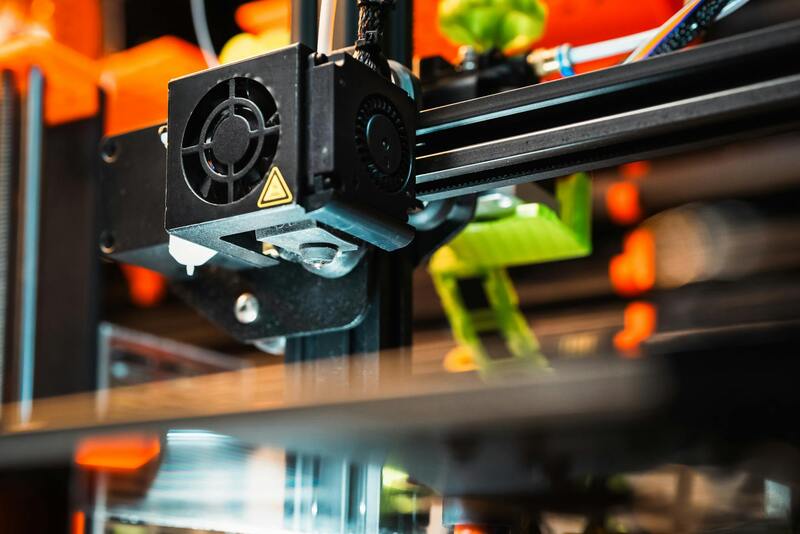
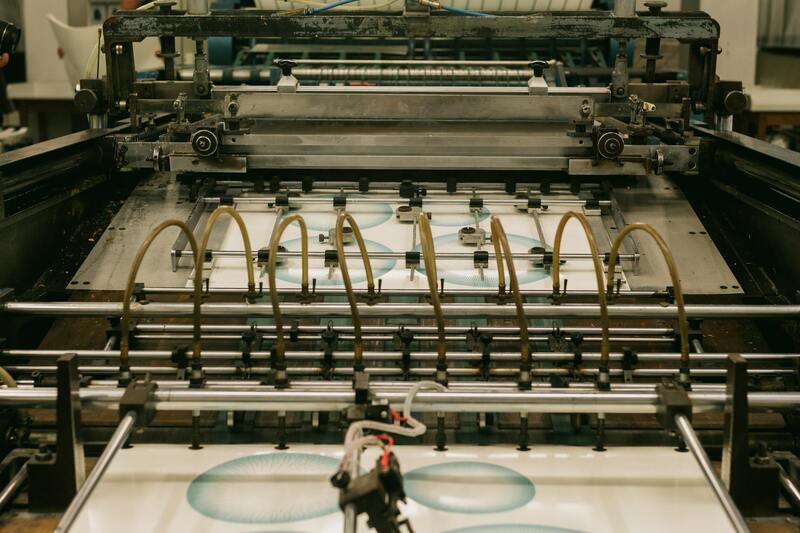
The pursuit of the fastest colour printer involves a comprehensive understanding of various technological and operational aspects that influence printing speeds. Industrial-grade and commercial models are engineered to deliver rapid outputs without compromising quality, making them suitable for high-demand environments. These printers integrate advanced mechanisms such as high-capacity print heads, increased throughput channels, and optimized media handling systems that facilitate swift data processing and application. The core aim is to minimize the time taken from issuing a print command to the final output, which can be achieved through specialized hardware designs, improved memory management, and streamlined paper pathways.
Moreover, optimal software integration allows these printers to efficiently handle complex tasks such as high-resolution images, multi-page documents, and variable data printing. Features like automatic duplexing and large input trays reduce downtime, ensuring continuous operation and maintaining high throughput. Understanding the technological backbone of these printers helps businesses and organizations align their procurement choices with their output demands, emphasizing models that are engineered for speed, efficiency, and realistic workload handling.
Key Factors Determining Printing Speed
Several critical factors influence the overall speed of colour printers, especially in high-performance models. These parameters include:
- Print Head Technology: Advanced print heads with high-speed inkjet or laser components allow faster image rendering and media transfer.
- Processor and Memory: A robust processor with ample RAM ensures swift processing of large data files, reducing latency and delays.
- Media Handling & Paper Path: Efficient paper feed and exit mechanisms minimize jams and movement delays, facilitating quicker print cycles.
- Multiple Media Trays: Large and multiple input trays support continuous printing, reducing interim loading times.
- Print Resolution and Quality Settings: Lower resolutions or optimized quality profiles can significantly boost printing speeds for less detailed tasks.
- Network Interface and Data Transfer: High-speed network connectivity ensures rapid data transmission from computers to printers, essential in networked environments.
Types of Colour Printers in the Market
The market offers diverse options tailored to various speed requirements and operational scopes:
- Laser Colour Printers: Known for their high speed and efficiency, laser printers provide rapid output with sharp text and vivid colours. They are ideal for large-volume offices and commercial settings.
- Inkjet Colour Printers: While traditionally slower, modern high-end inkjet models now incorporate speed-enhancing features. They excel in printing high-quality images and photo-rich materials, especially in creative and graphics-heavy environments.
- LED Colour Printers: Utilizing LED technology, these printers combine the speed of laser with high precision, optimizing for both speed and colour quality, suitable for medium to large enterprises.
- Solid Ink and Hybrid Models: Combining elements of inkjet and laser, these printers use wax-based inks or LED-based methods to achieve fast, bright colour outputs with better media versatility.

Top Features for Fast Colour Printing
When selecting a printer for expedited colour output, certain features are pivotal:
- High-Cower Print Heads: Enable rapid ink or toner application across media.
- Large Paper Trays and Auto Duplexing: Minimize paper reloads and facilitate double-sided printing without delays.
- Advanced Processing Units: Facilitate quick handling of complex printing jobs and high-resolution images.
- Rapid Drying and Fixing Technologies: Reduce wait times for printed media to be ready for handling or further processing.
- Network Connectivity Options: Gigabit Ethernet, Wi-Fi 6, and other high-speed interfaces ensure fast data flow within business environments.

Industries and Use Cases for Fast Colour Printers
High-speed colour printers are indispensable across multiple industries owing to their ability to produce vibrant outputs swiftly. In graphic design and advertising agencies, rapid printing ensures quick turnaround on marketing materials, proofs, and client deliverables. Educational institutions and universities utilize these printers for large batch printing of handouts, exam papers, and promotional posters, streamlining administrative operations. Healthcare and diagnostic labs rely on speed for printing detailed reports, labels, and imaging outputs, enabling more efficient patient and operational management.
Retail and hospitality sectors deploy these printers for in-house branding materials, menus, and signage, where speed translates directly to enhanced customer experience. Manufacturing and logistics also benefit from fast colour printing for product labels, packaging designs, and technical documentation, where timely output supports operational workflows.
Understanding Fastest Colour Printers
In today's competitive and fast-paced business environment, the demand for high-speed colour printers has surged significantly. These devices are engineered to deliver vibrant, high-resolution outputs within minimal timeframes, ensuring that organizations stay efficient and responsive. Recognizing the core attributes and technological advancements that define the fastest colour printers can help businesses make informed decisions tailored to their operational needs.

Key Factors Determining Printing Speed
- Print Engine Technology: The core component influencing speed is the print engine, which varies between laser and inkjet mechanisms. Laser printers typically outperform inkjet models in speed and volume handling.
- Processing Power: High-speed printers incorporate advanced processors that manage complex, high-resolution images swiftly, reducing rendering time and printing delays.
- Connectivity Interfaces: Gigabit Ethernet, Wi-Fi 6, and other high-speed data transfer protocols enable rapid data transmission from devices to printers, minimizing data bottlenecks.
- Media Handling: Features such as large paper trays, duplex printing capabilities, and fast paper pickup mechanisms contribute to overall throughput.
- Drying and Fixing Technologies: Innovations like LED drying, quick-heating fusers, and anti-smudge technologies help achieve faster readiness of print media.
Types of Colour Printers in the Market
Market offerings predominantly include laser and inkjet colour printers, each suited for different applications based on speed and quality considerations:
- Laser Colour Printers: Known for their rapid output capabilities, laser printers utilize a toner-based process that allows for high-volume, high-speed printing with sharp, consistent colour accuracy.
- Inkjet Colour Printers: While traditionally slower, some high-end inkjet models incorporate advanced print heads and faster drying inks to boost speed without compromising image richness.
Image Placeholder

Top Features for Fast Colour Printing
- High-Volume Capacity: Large input and output trays reduce the need for frequent refills, supporting continuous high-speed printing.
- Advanced Processing Units: Custom processors facilitate quick handling of complex images, reducing processing delays.
- Multiple Connectivity Options: Support for network interfaces such as Wi-Fi 6, Ethernet, and USB allows seamless data flow for rapid printing.
- Speed-Oriented Software: Built-in print management and job prioritization ensure time-sensitive documents are processed promptly.
- Eco-Friendly Fast Drying Inks or Toners: Enable quick handling post-printing, reducing wait times for media to be ready for use.
Industries and Use Cases for Fast Colour Printers
Various sectors rely on high-speed colour printers to meet tight deadlines and enhance operational efficiency:
- Graphic Design and Marketing: Quick turnaround for proofs, promotional materials, and client presentations.
- Education Institutions: Rapid printing of examination papers, course materials, and event posters, streamlining administrative workflows.
- Healthcare and Diagnostics: Fast, accurate printing of detailed reports, labels, and imaging outputs supports patient care and laboratory operations.
- Retail and Hospitality: On-demand banners, menus, and branding materials improve customer engagement and service quality.
- Manufacturing and Logistics: Manufacturing labels, technical documentation, and packaging designs benefit from swift printing to maintain production timelines.
Image Placeholder
Cost Considerations and Maintenance
While the initial investment in high-speed colour printing technology may be significant, analyzing ongoing expenses is crucial for maximizing value. High-performance printers often feature robust construction and require specialized toner and ink formulations, which can influence long-term costs. Maintenance routines, including regular cleaning, part replacements, and calibration, are vital to sustain peak performance and speed. Automated maintenance alerts in advanced models help minimize downtime, ensuring uninterrupted high-speed output.
Understanding Fastest Colour Printers
Fastest colour printers are sophisticated devices engineered to deliver high-speed output without compromising on colour accuracy and detail. They are integral in environments where time-sensitive printing is crucial, including large corporate offices, printing houses, and industries requiring rapid turnaround for visual materials. These printers employ advanced engines, optimized print pathways, and high-capacity components to achieve superior speeds, often measured in pages per minute (PPM). Their architecture typically includes high-capacity toner cartridges, advanced paper handling systems, and high-speed processing units to facilitate quick production cycles. The technological foundation supporting these high speeds involves innovations such as parallel processing, high-speed transfer belts, and optimized color management systems, ensuring vibrant, consistent results at remarkable throughput.

Key Factors Determining Printing Speed
Several pivotal elements influence the printing speed of colour printers, including:
- Print Engine Technology: Laser-based systems traditionally offer higher speeds compared to inkjet counterparts, owing to their rapid dry and transfer processes.
- Page Complexity and Color Coverage: More intricate or full-color pages require additional processing time, affecting throughput.
- Processing Power: High-performance CPUs and ample RAM facilitate faster image rendering and job handling, contributing to quicker printing cycles.
- Paper Handling Capacity: Printers equipped with high-capacity trays and advanced feeding mechanisms can process larger print jobs more efficiently.
- Connectivity and Data Transfer: Reliable and high-speed data interfaces like Ethernet, Wi-Fi 6, or USB-C minimize delays caused by data bottlenecks.
- Maintenance and Calibration: Well-maintained printers operate at peak speeds; automated calibration ensures minimal downtime.
Types of Colour Printers in the Market
The market offers several types of colour printers optimized for speed and productivity:
- Laser Colour Printers: Known for their high speed and crisp output, ideal for large-volume printing.
- LED Colour Printers: Similar to laser printers but with a more streamlined design, offering consistent results at fast rates.
- Inkjet Colour Printers: Generally slower but suited for high-quality photo prints; high-end models now incorporate features for improved speed.
- Solid Ink and Powder-based Printers: Emerging technologies focusing on rapid color production with eco-friendly footprints.
Image Placeholder

Top Features for Fast Colour Printing
To ensure optimal speed, leading models incorporate features such as:
- High-Capacity Toner Cartridges: Reduce replace cycles, allowing uninterrupted high-volume output.
- Auto Duplexing: Enables double-sided printing, saving time and paper.
- Multi-Page Feed Systems: Support for large stacks of paper with minimal manual intervention.
- Rapid Warm-up Times: Modern printers are designed to be ready to print almost instantly after powering on.
- High-Speed Data Interfaces: Ethernet, Wi-Fi 6, and USB-C ensure fast data transfer and job retrieval.
- Intelligent Job Management: Features like job prioritization and queue management optimize workflow and reduce delays.
Industries and Use Cases for Fast Colour Printers
Fast colour printers are pivotal across diverse sectors, where they assist in:
- Advertising and Design Studios: Quick proofing and large batch printing of marketing materials.
- Educational Institutions: Rapid printing of exam papers, coursework, and promotional displays.
- Healthcare: Fast generation of detailed imaging reports, patient labels, and educational posters.
- Retail and Hospitality: Immediate printing of promotional banners, menus, and branding assets.
- Manufacturing and Logistics: Swift printing of labels, technical documentation, and packaging details to meet tight production deadlines.
Leading Models of the Fastest Colour Printers in Singapore
Singapore's market features several models renowned for their speed and reliability, including:
- Brother HL-L8360CDW: A laser printer offering fast outputs up to 33 PPM, with high-capacity toner options suitable for busy office environments.
- Canon imageRUNNER ADVANCE C5740i: A multifunction device designed for high-volume colour printing, boasting speeds of up to 40 PPM.
- Ricoh SP C840DN: Known for its high-speed capacity of 50 PPM and excellent color accuracy, favored in professional settings.
- Xerox Versant 80 Press: A digital press capable of producing high-quality colour pages at rapid speeds, ideal for commercial printing houses.
Cost Considerations and Maintenance
Investing in high-speed colour printers entails examining both upfront costs and ongoing expenses. Advanced printers with high throughput capabilities generally involve higher initial procurement outlays. The cost of consumables such as toner and drums is also significant; high-yield cartridges help optimize cost per page, reducing interruptions for replacements. Proper maintenance routines—regular cleaning, calibration, and timely part replacements—are essential to sustain high performance levels. Features like automated alerts for maintenance needs reduce downtime, ensuring consistent speed and quality. Moreover, employing energy-efficient models can lower operational costs over time, balancing speed with sustainability and economic efficiency.