Printing In Color: Techniques, Tips, And Industry Standards
Overview of Color Printing
Color printing has become an essential component of modern visual communication, serving as a powerful tool for marketing, branding, and personal expression. Unlike monochrome or black-and-white printing, which relies solely on shades of gray, color printing introduces a broad spectrum of hues, enabling the reproduction of vibrant images, detailed graphics, and intricate designs with high fidelity. This capability enhances the appeal and effectiveness of printed materials, making them more engaging and memorable for viewers. In the competitive landscape of advertising and promotion, color printing provides businesses with a significant advantage by enabling the creation of eye-catching brochures, posters, business cards, and packaging that stand out from the competition.
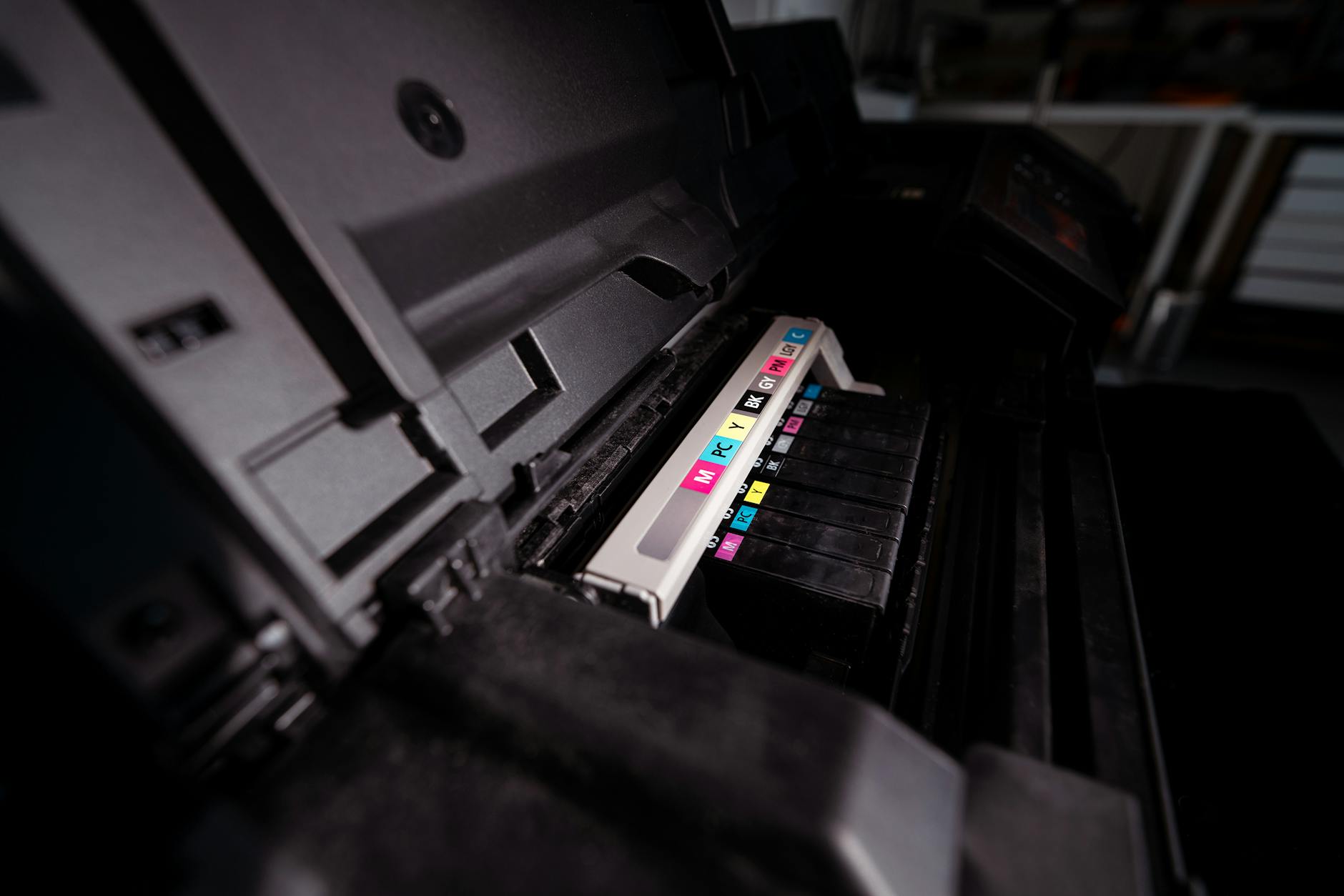
One primary benefit of color printing over black-and-white is its ability to accurately convey branding elements, such as logos, corporate colors, and thematic visuals. These elements are crucial for establishing brand recognition and loyalty among consumers. Additionally, color printing enhances the clarity and attractiveness of images, making detailed photographs, product shots, and illustrations more lifelike and appealing. This visual impact is especially vital in industries like retail, hospitality, and real estate, where high-quality printed visuals directly influence purchasing decisions. Moreover, color printing fosters emotional connectivity by using vivid hues to evoke specific moods and responses, thereby strengthening the overall message of the printed material.
In terms of advantages, color printing offers:
- Enhanced readability and visual appeal of printed documents
- Greater capacity to communicate complex ideas using visual cues
- Ability to match brand colors accurately, reinforcing identity
- Higher perceived value of printed materials, encouraging longer engagement
- Flexibility to produce a wide range of print products from marketing collateral to personal projects
Advanced color printing also supports various customization options, allowing for personalized marketing campaigns that resonate more effectively with target audiences. With consistent color output, businesses can maintain brand integrity across multiple print runs, ensuring that each piece aligns perfectly with their visual standards. As technology continues to evolve, the accessibility and quality of color printing have improved significantly, making it an indispensable aspect of graphic design and print media. For those seeking to leverage the power of vivid, accurate color reproduction, partnering with reputable printing service providers is essential to achieve optimal results and meet professional standards.
Overview of Color Printing
Color printing encompasses a range of professional printing techniques designed to produce visually striking images and text with accurate and vibrant hues. This method enhances the impact of printed materials by incorporating a rich spectrum of colors, which helps convey messages more effectively and engagingly. It is especially beneficial in industries that rely heavily on visual branding, such as retail, advertising, and design, where the quality and accuracy of color reproduction directly influence customer perception. The ability to reproduce colors precisely enables businesses to match brand palettes, ensuring consistency across various print runs and media. High-quality color printing also boosts the perceived value of marketing collateral, making brochures, posters, and packaging more appealing and memorable to audiences.
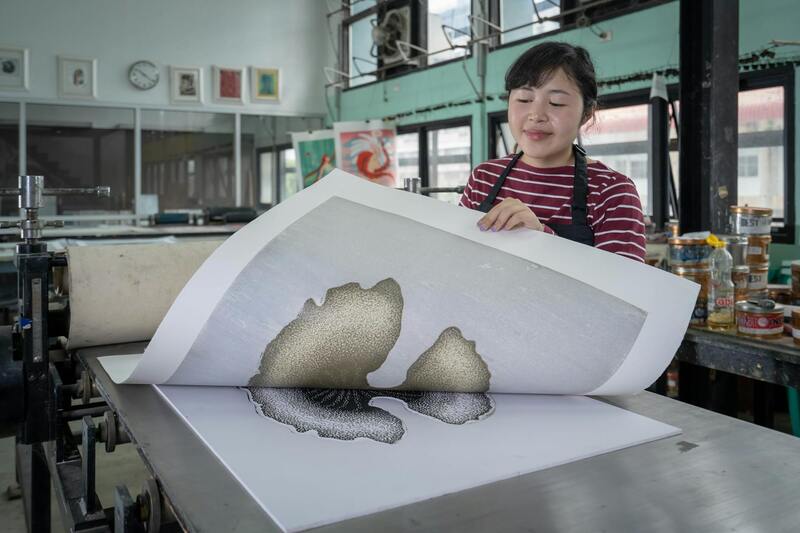
With advancements in printing technology, the process of achieving vibrant, true-to-life colors has become more accessible and reliable. Colored prints can create emotional connections with viewers by using specific hues to evoke moods or responses, elevating the effectiveness of promotional campaigns. Moreover, the flexibility of color printing caters to a wide array of applications—from personalized greeting cards and event invitations to detailed technical manuals and detailed product catalogs. When executed with precision, color printing conveys professionalism and quality, positioning your brand or message at the forefront of the target audience's mind.
Types of Color Printing Technologies
Understanding the various methods available for color printing is essential for selecting the right solution for your project. Each technique offers distinct advantages aligned with specific needs and budgets.
- Digital Printing: Ideal for short runs and rapid turnarounds, digital color printing directly from digital files ensures flexibility and high accuracy. It supports variable data printing, enabling customization for targeted marketing campaigns.
- Inkjet Printing: Known for its ability to produce superb photo-quality images, inkjet printing is widely used for producing posters, fine art prints, and photographic reproductions with unparalleled color richness.
- Laser Printing: Efficient for high-volume business printing, laser color printers deliver sharp texts and vibrant images with consistent color output, suitable for producing marketing materials and reports.
- Offset Printing: The preferred choice for large-scale production, offset printing delivers superior color fidelity, consistency, and sharpness, making it ideal for high-quality magazines, catalogs, and packaging.
- Large-Format Printing: Specially designed for banners, signs, and large displays, this technology handles wide substrates and produces captivating large-scale visuals with vivid color reproduction.

Choosing the appropriate technology depends on project specifications such as volume, quality requirements, and budget constraints. For instance, digital and inkjet are excellent for personalized or small batch prints, whereas offset and large-format are better suited for high-volume, large-scale projects demanding precise color matching and consistency. Evaluating these factors ensures optimal results in achieving vibrant, accurate, and durable color prints that meet professional standards.
Overview of Color Printing
Color printing is a fundamental component in both commercial and creative sectors, offering the ability to produce visually compelling materials that captivate audiences. This process involves transferring vibrant hues onto various substrates, ensuring accuracy, durability, and consistency. The capacity to reproduce complex color schemes necessitates the employment of advanced printing technologies, specific color modes, and meticulously prepared files. As industries increasingly demand high-quality visuals—from marketing collateral to artistic reproductions—the importance of mastering legitimate, quality-driven color printing methods grows correspondingly.

Fundamental Principles of Color Reproduction
At its core, color printing relies on accurately translating digital color data into physical prints that match intended hues. This process requires an understanding of various color modes, profiles, and the correct management of color workflows. The most common color modes used are RGB (Red, Green, Blue) and CMYK (Cyan, Magenta, Yellow, Key/Black). While RGB is primarily used for digital displays, CMYK is essential for print production, facilitating precise color matching and consistency across batches.
Color Modes and Profiles
Understanding the distinction between RGB and CMYK is vital. RGB encompasses a broader spectrum suitable for screens but has limitations when translated to print. Conversely, CMYK is tailored for printing processes, allowing for a range of colors that can be reproduced on physical media. To ensure colors appear consistent across different devices and print jobs, utilizing accurate color profiles—standardized sets of data defining how colors are represented—is indispensable. These profiles act as a reference, aligning color output between digital design and physical print, thereby minimizing discrepancies and enhancing the fidelity of the final product.

Choosing Proper Materials and Substrates
The selection of appropriate paper and materials directly influences the vibrancy and durability of color prints. High-quality coated papers with smooth finishes are preferred for photographic and promotional prints, ensuring that ink or toner adheres evenly and colors remain vivid. For large-format banners or outdoor signage, weather-resistant substrates with UV coatings are advisable to preserve color integrity under various environmental conditions. The compatibility of printing technology with selected materials is also crucial in achieving optimal results.
Color Management Strategies
Implementing a comprehensive color management workflow involves calibrating printers, monitors, and proofing devices regularly. This ensures that color outputs consistently align with original design intents. Creating and utilizing ICC (International Color Consortium) profiles tailored to specific printers and media enhances color accuracy. Proper calibration minimizes issues like color shifts, banding, or dull hues, providing predictable and professional-looking results for all printing projects.
Best Practices for Color Printing Preparation
- Use high-resolution images (at least 300 dpi) to preserve detail and color richness.
- Convert colors to the correct mode (CMYK for print) before finalizing files.
- Embed or assign appropriate color profiles within design files.
- Perform test prints to verify color accuracy before large runs.
- Maintain a consistent workflow from digital file preparation to print execution.
Adhering to these practices enhances the quality and reliability of color prints, ensuring that design specifications and color fidelity are maintained throughout the production process.
Overview of Color Printing
Color printing has become an essential component of various industries, from marketing and advertising to educational materials and artistic projects. The ability to reproduce vibrant and true-to-life hues requires a comprehensive understanding of the underlying technologies and best practices. High-quality color printing not only enhances visual appeal but also improves communication clarity, brand consistency, and product professionalism. To achieve impeccable results, it's vital to appreciate the intricacies involved in color accuracy, material compatibility, and advanced printing techniques.
Understanding Color Reproduction in Printing
In commercial printing, color reproduction is governed by a complex interplay of digital color management, ink formulations, and substrate characteristics. This process involves translating digital design files into physical outputs that accurately reflect the intended color palette. The challenge lies in maintaining consistency across different print runs, mediums, and equipment setups. Mastery of color management workflows mitigates discrepancies and ensures that the final product matches original digital specifications.
The Significance of Color Fidelity
Color fidelity refers to the degree to which printed colors match their digital references. Several factors influence this, including the quality of inks, calibration of printers, and the nature of printing substrates. Professional color printing employs calibrated equipment paired with ICC profiles tailored to specific media types, which helps in achieving consistent, high-quality results. Accurate color matching is especially crucial in branding, packaging, and photographic reproductions where color precision directly impacts consumer perception and message effectiveness.
Ready for Precision: Official and Proven Methods
To produce reliable and professionally consistent color prints, adherence to tested and standardized techniques is necessary. This includes the use of high-quality, color-calibrated printers that support a broad color gamut. Additionally, integrating advanced color management systems—such as ICC profiling—enables precise control over color output by aligning the digital file’s color data with the physical print environment. Regular calibration of both monitors and printers prevents color shifts over time, maintaining long-term consistency.
Color Profiles and Calibration
ICC profiles act as intermediaries that communicate color characteristics between devices and materials, ensuring that the colors seen on a monitor are faithfully reproduced on paper. Creating custom profiles specific to the printer, ink, and substrate combination yields the most accurate results. Calibration routines involve adjusting device settings through software tools, which help reduce issues like color drifts or dull hues. Employing these calibration practices consistently across projects ensures predictable and repeatable color quality.
Color Proofing and Testing
Implementing a robust proofing process allows operators to preview how colors will appear in the final print. This phase involves producing proof samples, examining them under controlled lighting conditions, and comparing them against digital references. Any discrepancies can then be addressed through adjustments in color profiles or ink settings before proceeding with large-volume prints. Test printing is indispensable for verifying color fidelity, particularly in critical applications such as packaging or high-end art reproductions.
Optimization and Workflow Integration
Integrating color management into the overall printing workflow maximizes efficiency and consistency. From the digital design stage—where file color modes should typically be set to CMYK—to print setup and finishing, each step must align with established color accuracy protocols. Using high-resolution images (minimum 300 dpi) and embedding proper color profiles within files help preserve detail and vibrancy. A standardized workflow minimizes errors and enhances overall print quality, reinforcing the reliability of color reproduction.
Overview of Color Printing
Color printing encompasses a range of methods designed to reproduce vibrant, detailed images and designs across various media. This process leverages multiple color channels to produce rich and accurate hues that enhance visual impact. High-quality color reproduction is essential in industries such as advertising, packaging, fine art reproduction, and professional photography, where the fidelity of color directly influences the overall impression of the final product.
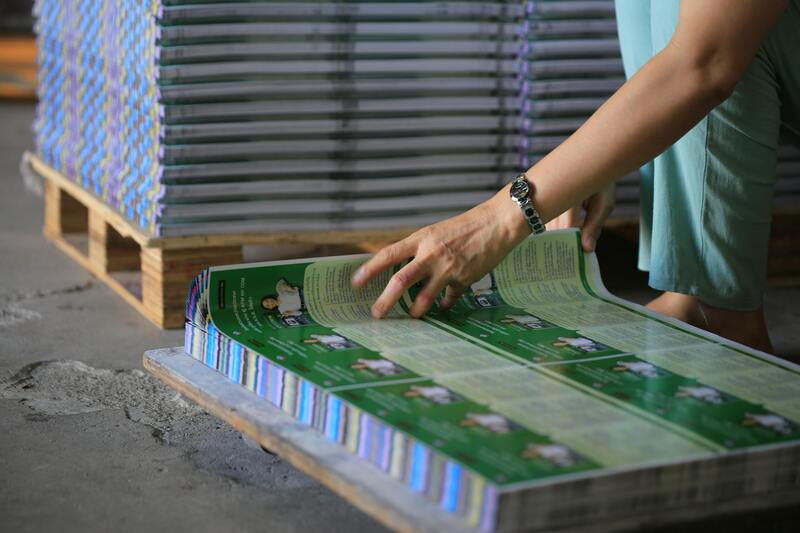
Achieving optimal color fidelity requires the use of advanced printing technologies alongside proper management of digital workflows. It involves not only precise calibration of printers but also meticulous preparation of digital files and the right choice of substrates. Whether printing marketing materials, photographs, or artistic images, understanding the fundamentals of color reproduction helps ensure consistent quality and accurate visual communication.
Types of Color Printing Technologies
- Digital Printing: Digital printing includes methods such as inkjet and laser printing, which are quick and cost-effective for short runs. Inkjet printers are often favored for their ability to produce exceptional color gradations and photo-quality images, whereas laser printers excel in speed and scalability for larger quantities.
- Offset Printing: This traditional method uses plates to transfer ink onto paper, offering superior color consistency and vibrancy for high-volume projects. Offset presses are widely used in commercial printing for producing brochures, magazines, and packaging with precise color matching.
- Flexography: Predominantly used for packaging and labels, flexographic printing utilizes flexible relief plates and quick-drying inks, enabling high-speed color production on various substrates.
- Screen Printing: Ideal for printing on non-paper materials like textiles and plastics, screen printing involves forcing ink through stencils on mesh screens, which allows for vibrant colors on diverse surfaces.
- Gravure: A high-quality process used mainly for long-run magazines and packaging, where engraved cylinders produce consistent, rich colors with intricate detail.

Color Modes and Profiles
Color management begins with selecting the appropriate color mode—primarily CMYK for printing and RGB for digital displays. CMYK, consisting of cyan, magenta, yellow, and key (black), is essential for achieving accurate printed colors, especially in professional printing environments. RGB (red, green, blue), however, is used for digital screens due to its broader color spectrum.
Embedding color profiles in digital files ensures consistent color reproduction across different devices and printers. Profiles such as sRGB, Adobe RGB, and specific ICC profiles tailored for particular printers and substrates help optimize color fidelity. Proper use of these profiles prevents issues like color shifts and dull hues, making the final output closer to the digital design’s intent.
Choosing the Right Paper and Materials
The choice of paper and substrates significantly influences color vibrancy and durability of printed images. Glossy papers accentuate color richness and sharpness, making them ideal for photographic prints and marketing materials. Matte papers, on the other hand, provide a subdued, professional look with subtle color gradations, suitable for corporate reports and artistic reproductions.
Specialty papers such as fine art textured papers or synthetic substrates can enhance specific projects, adding tactile qualities that complement vibrant color reproduction. When selecting materials, consider factors like ink compatibility, surface coating, and the intended usage of the printed piece to achieve the desired color accuracy and longevity.
Final Considerations
Implementing a comprehensive color management workflow is essential for achieving high-quality, consistent color output in printing. This includes regular calibration of printers, utilization of appropriate color profiles, and thorough proofing and testing procedures. Each step in the process plays a vital role in preserving color fidelity from design to final print, ensuring the intended visual impact is realized across all projects.
Methods of Achieving Accurate Color Reproduction in Professional Printing
Attaining precise and consistent color output in printing services relies on a combination of meticulous process management, equipment calibration, and adherence to standardized procedures. Implementing a robust color management workflow begins with calibrating printers regularly to ensure the output matches the intended color profiles. Calibration involves adjusting hardware settings to correct color deviations caused by aging components or environmental factors, thereby maintaining a stable foundation for color accuracy.
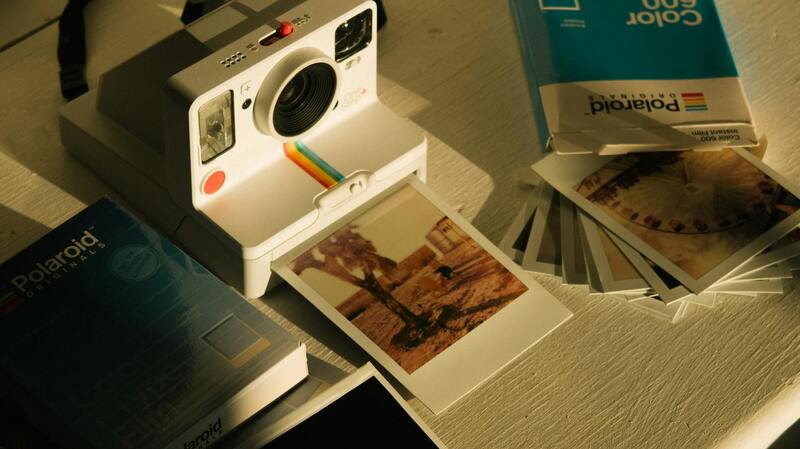
Role of ICC Profiles and Color Management Systems
ICC profiles are pivotal in translating digital color data into the physical print output. These profiles encapsulate the color characteristics of specific devices, papers, and inks, facilitating seamless color matching across different media. A well-implemented color management system (CMS) utilizes these profiles to optimize the color workflow from digital design to final print. This ensures that the colors viewed on screen closely resemble the printed result, preserving the designer’s vision with high fidelity.
For instance, selecting a profile tailored for a particular paper surface and ink combination minimizes discrepancies such as dullness or oversaturation. Imaging workflows should incorporate soft-proofing techniques, allowing designers to simulate how colors will appear post-print, providing opportunities to make adjustments before final production.
Color Reproduction Techniques for Different Materials
Different printing substrates demand specific approaches to color reproduction. Glossy or coated papers tend to enhance vibrancy and contrast, making colors appear brighter and sharper. Conversely, matte or uncoated papers often result in softer, more subdued hues, requiring adjustments in ink density and tone curves to achieve desired vibrancy without sacrificing detail.
Specialty materials, including textured fine art papers or synthetic substrates, require compatibility checks and sometimes custom color profiles to maintain fidelity. These materials may also necessitate different ink formulations or printing parameters, ensuring color accuracy and durability even under challenging environmental conditions. Recognizing the nuances of each medium helps in producing consistent, high-quality results that meet client expectations and project specifications.
Utilizing Proofs and Test Prints as Quality Control Measures
Proofing remains an essential element in the color printing process. Digital proofs or small-scale test prints provide a visual reference, enabling adjustments before mass production. Marker-based color calibration tools and spectrophotometers can be employed alongside proofs to measure color differences quantitatively, ensuring alignment with original design intent.
Implementing a systematic review of proofs allows for identifying issues such as color shifts, color bleed, or mismatched tones. Continuous feedback from proofs leads to fine-tuning of printer settings, ink levels, and media selection. This proactive approach minimizes waste and ensures a high degree of accuracy in the final product.
Best Practices for Maintaining Color Accuracy Over Time
To sustain precision in color reproduction, ongoing maintenance routines are necessary. These include regular calibration and profiling of all digital devices involved in the workflow, as well as monitoring environmental conditions such as temperature and humidity, which can influence ink curing and paper behavior. Additionally, keeping records of calibration results and establishing standard operating procedures helps in maintaining consistency across production cycles.
Training staff on color management principles further ensures adherence to best practices. When combined, these measures create a resilient process capable of consistently delivering vibrant, accurate prints that reflect the original digital design’s intent, ultimately elevating the quality and reliability of professional printing services.
Overview of Color Printing
Color printing encompasses a range of techniques that enable the reproduction of images, graphics, and designs in vibrant, accurate hues. This process is integral to various industries including advertising, packaging, and fine arts, offering the visual appeal necessary to captivate audiences and convey messages effectively. The ability to produce rich, consistent colors hinges on the interplay of advanced printing technology, meticulous color management, and quality materials.

Achieving optimal color reproduction requires a comprehensive understanding of the specific printing process being used, whether digital, offset, or specialty techniques. Each method offers distinct advantages regarding color control, speed, and media compatibility. Recognizing these distinctions is vital for selecting the most effective approach tailored to project needs.
Types of Color Printing Technologies
- Digital Printing: Ideal for short runs and rapid turnaround, digital printing offers high fidelity color output with excellent detail. Technologies like inkjet and UV printers utilize complex ink formulations to produce accurate, vibrant images directly from digital files.
- Offset Printing: Known for its cost-efficiency in large-scale production, offset printing involves transferring ink from plates to paper. It provides exceptional color consistency and vibrancy, especially suitable for high-volume commercial jobs.
- Screen Printing: Predominantly used for textiles, apparel, and signage, screen printing delivers bold, opaque colors. It is highly customizable but generally less suited for detailed photographic images.
- Flexographic Printing: Common for packaging materials, flexography employs flexible plates and fast-drying inks, enabling efficient printing on various substrates while maintaining color integrity.

Color Modes and Profiles
Most color printing relies on specific color models and profiles to ensure that the output accurately reflects the intended design. The two primary color modes are RGB (Red, Green, Blue) and CMYK (Cyan, Magenta, Yellow, Key/Black). RGB is used mainly for digital displays, while CMYK is standard for printing because it aligns with how printers produce colors through subtractive mixing.
Color profiles such as sRGB, Adobe RGB, and CMYK profiles guide devices to interpret color data consistently. Proper calibration of color profiles across devices—computers, monitors, and printers—is essential to minimize color shifts and achieve predictable results in the final print.
Choosing the Right Paper and Materials
The selection of substrates significantly influences color fidelity. Glossy papers, satin finishes, and heavyweight card stocks tend to enhance vibrancy and detail, ideal for high-resolution images. Matte surfaces offer better control over reflections and are preferred for subdued, elegant finishes.
In addition to paper, specialized materials such as textured art papers, clear films, and adhesive-backed sheets expand creative potential and application scope. Compatibility between the chosen media and printing technology ensures optimal color accuracy and durability of the finished product.
Preparing Files for Color Printing
To maximize color fidelity, files should be prepared with attention to resolution, color mode, and profiles. High-resolution images (at least 300 dpi) prevent pixelation and preserve detail. Files must be set in a CMYK color mode with embedded profiles aligned to the printing device's specifications.
Color separation and proofing are essential steps; digital proofs allow clients and operators to verify color accuracy before the final run. Color management software can assist in simulating how colors will appear once printed, reducing the need for multiple test prints and minimizing waste.
Common Issues in Color Printing and Solutions
Among frequent challenges are color inconsistency, banding, and unwanted shifts. These issues can originate from incorrect file setup, media incompatibility, or printer maintenance lapses.
- Color Inaccuracy: Ensure profiles are correctly embedded, and perform calibration procedures regularly. Use color calibration tools like spectrophotometers for precise adjustments.
- Color Bleeding or Mismatch: Select suitable media for ink type and drying time. Adjust ink density and drying parameters to prevent bleed.
- Banding or Uneven Color: Clean and maintain print heads frequently. Use high-quality, consistent ink supplies and check for blockages or clogs.

Monitoring and controlling environmental conditions are crucial, as fluctuations in temperature and humidity can affect ink curing and media behavior, leading to color shifts or adhesion issues. Implementing climate control and routine maintenance ensures stable conditions for high-quality prints.
Ensuring Accurate Color Output Through Official Methods
Achieving precise and vibrant color reproduction in professional printing requires adherence to recognized methods and standards. This involves meticulous calibration of printers and monitors, consistent use of validated color profiles, and adherence to industry standards such as ISO 12647. Calibration tools like spectrophotometers enable technicians to regularly verify and adjust color output, ensuring alignment with expected color standards. Establishing a detailed color management workflow, including proper file setup in CMYK color space with embedded profiles, is fundamental for consistent results across different print runs.

Color Management Software and Proofing
Utilizing advanced color management software facilitates simulation of how colors will appear once printed, allowing adjustments prior to the actual print job. Digital proofs serve as essential checkpoints; they provide a visual reference for clients and operators to confirm color fidelity. Such proofing steps minimize waste and optimize color accuracy by catching discrepancies early. Aligning proofing outputs with the final printed product through accurate profiling and calibration mitigates the risk of unexpected shifts in hue or saturation.
Consistent Media and Ink Quality
Consistent media selection and high-quality inks are critical for producing predictable colors. Utilizing approved media types designed for specific ink sets prevents issues such as bleeding, color mismatches, or surface sheen alterations. Similarly, ensuring inks are stored properly and replaced when depleted maintains color integrity. When operating official color printing methods, always adhere to recommended ink densities and drying protocols, which directly influence the final color appearance and durability of the printed materials.
Regular Maintenance and Quality Control
Routine maintenance of printing equipment, including cleaning print heads and checking for clogs, prevents color inconsistencies such as banding or uneven application. Periodic calibration of the printer ensures that the output remains within specified tolerances. Incorporating quality control procedures, like standardized test prints and color swatch comparisons, supports ongoing compliance with color standards and facilitates early detection of potential deviations.
Environmental Control Measures
External factors, such as temperature and humidity, significantly impact color stability. Variations can cause ink to cure improperly or media to behave unpredictably, leading to color shifts or adhesion problems. Implementing climate-controlled environments that maintain stable conditions, along with routine environmental monitoring, helps uphold the integrity of color reproduction. Such measures are essential when employing official methods for color printing, where precision and consistency are prioritized.
Overall, adherence to recognized procedures, proper calibration, quality media, and controlled environmental conditions form the backbone of producing color prints that meet or exceed client expectations with consistent and vibrant results.