Super Fast Printing Services In Singapore: Speed And Quality Combined
Overview of Super Fast Printing
In an increasingly competitive marketplace where time-sensitive projects and high-volume demands are the norm, the need for super fast printing solutions has become more prominent than ever. This innovative approach to printing caters to clients seeking rapid turnaround times without compromising on quality. Particularly in Singapore’s vibrant business environment, where deadlines often align with crucial marketing campaigns, product launches, or urgent client requests, super fast printing services have gained significant relevance.
Super fast printing encompasses a range of techniques and services designed to deliver printed materials swiftly, sometimes within a few hours or a single day, depending on the scope and complexity of the project. These services are meticulously optimized to streamline the entire printing process — from pre-press preparations to the final output — ensuring that clients receive their materials promptly to meet tight schedules.
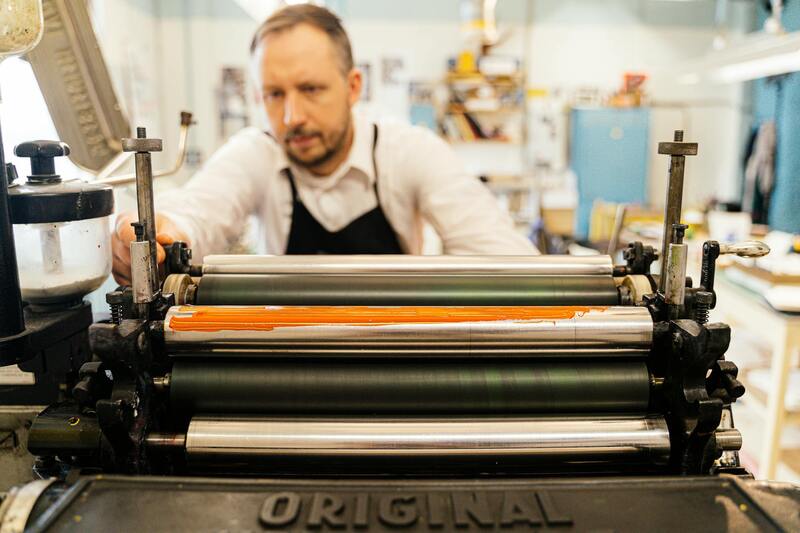
The significance of super fast printing extends beyond just speed; it encompasses reliability, precision, and flexibility. Businesses seeking to capitalize on time-sensitive opportunities or manage last-minute changes rely heavily on these services. From marketing collateral, business cards, banners, and flyers to packaging materials, a broad spectrum of printed products can be produced swiftly to support dynamic business operations.
Additionally, technological advancements have played a pivotal role in enabling super fast printing. Digital printing solutions, which allow for high-quality outputs with minimal setup, have become the backbone of these expedited services. Coupled with efficient workflow management and cutting-edge equipment, printing providers are now able to handle high-volume orders with rapid turnover times seamlessly.
In summary, super fast printing has become an essential component of modern business strategies. It allows organizations to respond quickly to market demands, reduce downtime, and capitalize on fleeting promotional opportunities. As Singapore continues to evolve into a hub of innovation and commerce, the demand for reliable, rapid printing solutions is expected to grow, prompting service providers to continually refine and enhance their super fast printing capabilities.
Technologies Enabling High-Speed Printing
Advancements in printing technology have revolutionized the pace at which high-quality products can be produced, with digital printing taking center stage for super fast printing solutions. Digital presses utilize digital files directly to produce prints, eliminating the need for traditional plate-making, which significantly reduces setup times and accelerates production schedules. These machines are equipped with cutting-edge hardware capable of handling large volumes swiftly without compromising clarity or color accuracy.
Moreover, high-speed inkjet and toner-based systems enhance throughput, ensuring quick turnaround times for various print jobs. Automated workflows integrate job preparation, color management, and finishing processes, minimizing manual intervention and decreasing the overall production cycle. The implementation of sophisticated software solutions further optimizes print queue management, allowing operators to prioritize urgent jobs and streamline operations.
Advanced Printing Technologies Powering Speed and Precision
Implementing cutting-edge printing technologies is fundamental to achieving super fast printing capabilities. Digital presses equipped with high-speed digital engines enable rapid turnaround times, delivering high-quality prints in a fraction of traditional methods. These presses utilize sophisticated controls and automation features that allow for quick changeovers and batching, minimizing downtime between jobs.

Offset printing also contributes significantly to rapid production, especially when high volumes are involved. Modern offset machines are built for speed, with electronic controls that streamline setup and maintenance, enabling swift start-up times and consistent results. When combined with automation systems, offset presses can handle larger quantities efficiently, lowering per-unit costs and ensuring deadlines are met without sacrificing quality.
Automation plays a vital role in super fast printing processes, incorporating systems such as automatic plate loading, real-time color management, and job tracking. These innovations reduce manual intervention, accelerate the workflow, and enhance accuracy. Software solutions that manage print queues save valuable time by prioritizing jobs and automating repetitive tasks, ensuring that urgent projects are completed promptly.

Moreover, high-capacity drying and curing units are designed to keep pace with rapid printing speeds. Technologies such as UV curing or LED curing systems facilitate immediate handling of printed materials, boosting throughput and reducing post-processing time. This synergy between hardware and software ensures that businesses can meet tight schedules while maintaining print quality and durability.
Media Handling and Large-Format Capabilities
Large-format digital printers equipped with versatile media handling systems enable the rapid production of banners, posters, and display materials, making them perfect for promotional campaigns or event setups. These machines operate at high speeds with minimal media changeover times, capable of printing on various substrates including vinyl, fabric, and rigid materials.

High-speed transport mechanisms, coupled with automated media loading, allow for continuous printing without frequent stops. Additionally, systems that accommodate multiple media types and sizes facilitate one-pass production, saving crucial time when executing complex or multi-material jobs. Efficient media handling not only speeds up process flow but also results in consistent color and image quality across large projects.
Optimizing Post-Processing for Rapid Delivery
Post-processing often consumes a significant portion of production time; however, advances in technology have minimized these delays. Immediate drying and curing systems ensure printed materials are ready for trimming, mounting, or shipping straight off the press. Additionally, integrated quality assurance tools, such as real-time color calibration and automated inspection, help maintain high standards without slowing production lines.
With these innovations, print providers can offer quick turnarounds on a diverse range of projects, from small batches to large volume runs. The result is a seamless workflow that supports urgent deadlines, empowering businesses with the agility needed in today’s fast-paced market environment.
Overview of Super Fast Printing
Super fast printing has emerged as a crucial service in today’s competitive market, where speed and quality are paramount. This printing method provides rapid turnaround times for a diverse range of products, including banners, posters, business cards, and more. Leveraging high-end machinery and optimized workflows, super fast printing ensures that even large volume orders are completed within tight deadlines without compromising on clarity or durability. This capability is particularly advantageous for businesses requiring urgent promotional materials, event signage, or last-minute marketing campaigns. By streamlining the entire printing process—from digital design submission to the final delivery—companies can meet tight schedules and respond swiftly to market demands, thus maintaining a competitive edge and satisfying client needs efficiently.

Types of Printing Offered Quickly
Super fast printing services encompass a variety of printing techniques tailored to different material and project requirements. These include:
- Digital Printing: Ideal for short to medium runs, digital printing offers rapid production with sharp image quality and easy customization. It’s well-suited for business cards, flyers, and promotional items.
- Large-Format Printing: Utilized for banners, posters, and signage, large-format printers provide high-resolution output at impressive speeds, enabling quick deployment of visual marketing assets.
- Offset Printing (with expedited options): While traditionally slower, modern presses equipped with advanced workflows can produce large quantities swiftly, especially for bulk orders requiring consistent color fidelity.
- UV Printing: This technology allows for immediate curing of prints, significantly reducing drying times and enabling rapid production of durable, vivid materials such as decals, labels, and signage.
Each of these methods is optimized via automation and specialized hardware, ensuring minimal turnaround times. The use of quick-drying inks and advanced media handling mechanisms further enhances production speed while maintaining high standards of quality.

Technologies Enabling High-Speed Printing
The backbone of super fast printing lies in innovative technologies that maximize efficiency and output quality. These include:
- High-Resolution Digital Engines: Modern digital presses utilize multi-color high-resolution engines capable of printing detailed images quickly, with some models reaching several hundred pages per minute.
- Automated Media Loading Systems: Automated feeders and media handling units reduce manual intervention, allowing for continuous, uninterrupted printing workflows that significantly cut down production times.
- Instant Curing and Drying Systems: UV curing units and quick-drying inks facilitate immediate processing—such as trimming or mounting—minimizing delays typically associated with drying times.
- Advanced Software Integration: Using sophisticated print management software, operators can orchestrate multiple jobs, optimize press runs, and automate quality checks, all contributing to faster throughput.
- Multi-Function Platforms: Some solutions combine printing, cutting, and finishing into one integrated system, dramatically reducing workflow time and enabling same-day project completion.
These technological advancements foster a seamless and highly efficient production cycle, ensuring rapid delivery of print materials without sacrificing precision or color accuracy.
Technologies Enhancing Speed and Efficiency in High-Volume Printing
Manufacturers leverage cutting-edge technological innovations to push the boundaries of printing speed while safeguarding quality standards. One fundamental advancement is the development of high-resolution digital engines that enable both rapid and detailed image reproduction. These digital presses can produce hundreds of pages per minute, accommodating demanding print runs without sacrificing clarity or color precision. The complexity of these engines allows for seamless handling of multiple colors and layers, facilitating vibrant and professional-grade results at high throughput rates.
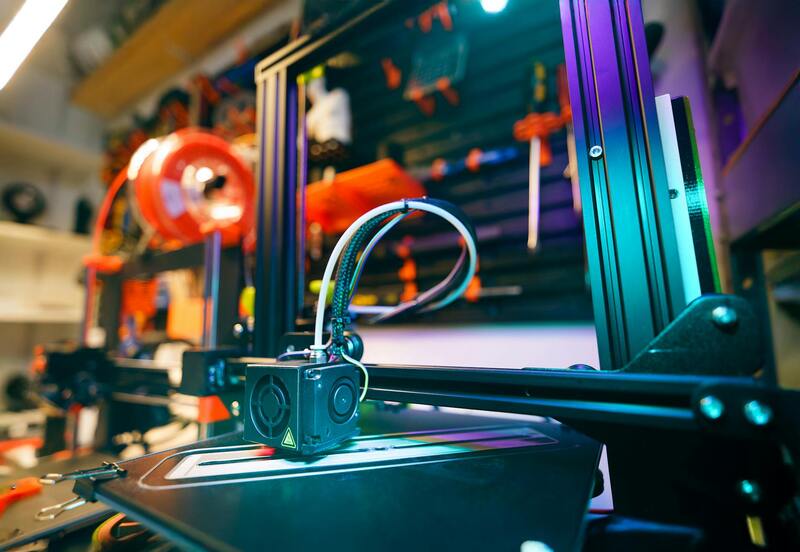
Another critical technology involves automated media loading systems. These systems utilize advanced feeders and media handling units that minimize manual intervention, ensuring continuous operation. By automating processes such as sheet feeding and stacking, printers can sustain longer production runs, drastically reducing setup times and cycle breaks. This continuous workflow significantly enhances productivity, making it feasible to meet tight deadlines for large-scale projects.
In addition, instant curing and drying systems significantly streamline the production process. UV curing units and rapid-drying inks allow printed materials to be immediately processed—whether for trimming, lamination, or mounting—thereby eliminating traditional drying times that often cause bottlenecks in rapid-turnaround situations. This immediate post-print processing capability allows businesses to deliver completed products within the same day or even hours of receiving an order.
Furthermore, advanced software solutions integrated into high-speed printing setups optimize operation efficiency. These software platforms manage numerous aspects including print queue automation, job batching, color management, and quality control checks. Automated pre-press routines ensure data is prepared swiftly, reducing errors and enabling quick job initiation. Some systems also feature real-time monitoring and diagnostics, allowing operators to identify and resolve issues promptly, thereby preventing delays.
Multi-function platforms mark another milestone in fast printing technology. These integrated systems combine printing, cutting, and finishing processes into a single workflow. Such synergy drastically reduces material handling and reduces total turnaround times. For example, a single platform capable of printing, trimming, and binding can deliver a complete product ready for delivery, all within the same workday. This integration supports the increasing demand for rapid project completion, especially in industries such as marketing, retail, and corporate communications.
Considerations such as automation and process integration are critical for maximizing high-speed production. By adopting these advanced technological features, businesses can significantly enhance throughput, meet urgent deadlines, and maintain high standards of quality. This convergence of innovative hardware and intelligent software creates a production environment where rapid completion of large and complex print jobs becomes a consistent reality, positioning companies to respond swiftly to market demands and client requirements.
Overview of Super Fast Printing
Super fast printing has become a vital service in today’s high-demand, time-sensitive environment. It refers to the rapid production of printed materials, ensuring clients receive their products swiftly without compromising on quality. This service is particularly crucial for industries such as marketing, retail, corporate communications, and event planning, where deadlines are often tight and efficiency is paramount. Leveraging cutting-edge technology and optimized workflows, super fast printing providers can handle large-volume jobs with remarkable speed, enabling businesses to meet urgent demands and seize market opportunities promptly.

In practice, super fast printing encompasses a broad range of printing methods, each adapted to deliver rapid turnaround times. Digital printing, due to its minimal setup and quick startup times, is often the backbone of high-speed services. Meanwhile, advances in printing hardware, such as multi-function presses capable of simultaneous printing, cutting, and finishing, significantly boost productivity. These technological innovations facilitate seamless integration of multiple production stages, dramatically reducing the time from design to delivery. Additionally, software automation and process management tools enable print providers to streamline workflows, eliminate bottlenecks, and maintain consistency in output quality, all while maintaining high throughput.
Types of Printing Offered Quickly
Super fast printing services are adaptable across various printing formats and products, making them suitable for a diverse array of applications:
- Business cards: Quick turnaround for high-quality, custom-designed cards, essential for networking and branding events.
- Flyers and brochures: Rapid production of promotional materials that support marketing campaigns with short deadlines.
- Banners and large-format prints: Instantly produced large advertising displays for events, exhibitions, or retail signage.
- Event materials: Quick printing of invitations, posters, name tags, and programs needed for conferences, seminars, or social events.
- Packaging and label printing: Fast-paced manufacturing of product packaging, labels, and wraps that require urgent replenishment or new product launches.

Technologies Enabling High-Speed Printing
Several advanced technologies underpin the capability of super fast printing services. Digital printing platforms, such as electrophotographic and inkjet printers, allow for immediate job setup without extensive pre-press work, dramatically reducing production time. These printers are equipped with high-capacity, high-speed capabilities that can produce hundreds to thousands of prints within hours.
Furthermore, multi-function printing systems that combine printing, cutting, folding, and binding are revolutionizing workflow efficiency. Integrated systems remove the need for multiple equipment transfers, decreasing handling time and minimizing errors. Automated print queue management software is also instrumental, coordinating jobs seamlessly, batching similar tasks together, and ensuring optimal machine utilization.
Additionally, real-time data monitoring and diagnostics enable operators to quickly identify and resolve issues, further minimizing delays. Such systems support predictive maintenance, avoiding unexpected downtimes that could compromise turnaround schedules. The combination of hardware and software innovations creates a reliable and agile production environment capable of meeting urgent print requirements consistently.
Benefits of Super Fast Printing
Implementing super fast printing offers numerous strategic advantages:
- Rapid turnaround: Meets tight deadlines, ensuring promotional campaigns or contractual obligations are fulfilled on time.
- Increased flexibility: Enables quick adjustments to print jobs, accommodating last-minute changes without disruption.
- Enhanced customer satisfaction: Clients benefit from immediate service, reinforcing trust and loyalty.
- Market responsiveness: Businesses can capitalize on emerging trends or opportunities by deploying materials swiftly.
- Reduced inventory demands: Just-in-time production minimizes stock holding, reducing storage costs and waste.
Key Factors for Achieving Super Fast Turnaround
Achieving rapid print delivery relies on a combination of technical prowess and operational excellence. This includes adopting high-speed digital printers capable of producing large volumes efficiently, integrating automated workflows that streamline pre-press, printing, and finishing processes, and maintaining a well-organized production environment to minimize delays.
Automation plays a critical role; automated file preparation and job batching reduce manual handling, while intelligent scheduling ensures optimal machine utilization. Quality control systems integrated into the workflow verify color accuracy, registration, and print quality in real time, preventing reprints and further delays.
Another essential element is strategic planning. Pre-press tasks such as file checking, layout adjustments, and color calibration should be optimized for speed. Additionally, establishing clear communication channels between clients and production teams helps clarify specifications upfront, avoiding misunderstandings that could slow down production.
Finally, location and logistics are pivotal. Fast printing providers often operate in close proximity to clients or have efficient supply chains in place for materials, allowing them to expedite delivery once production is complete. These combined efforts ensure that maximum efficiency is maintained, and client expectations are consistently exceeded in rapid printing scenarios.
Overview of Super Fast Printing
Super fast printing has become a vital service in today's competitive markets, where time-sensitive projects demand immediate turnaround without compromising quality. This service combines cutting-edge technology and streamlined workflows to meet tight deadlines for a diverse range of printing needs, including marketing materials, business essentials, and custom products. With the ability to produce high volumes rapidly, businesses can benefit from reduced lead times, enabling quicker response to market demands, promotional campaigns, and client deadlines.
Types of Printing Offered Quickly
High-speed printing encompasses various methods designed to deliver rapid results. Digital printing is the most prevalent, owing to its quick setup and ability to handle short runs efficiently. This method is ideal for producing brochures, flyers, business cards, and banners with minimal preparation time. Offset printing also offers fast turnaround options when large quantities are required, thanks to modern presses capable of rapid plate changes and high-speed operation. Additionally, specialty printing services, such as digital decals, customized stickers, and promotional products, are increasingly available with expedited processing to cater to urgent campaigns.

Technologies Enabling High-Speed Printing
The backbone of super fast printing services lies in innovative technological advancements. Digital presses equipped with high-speed inkjet or laser technology enable rapid production without the extensive setup associated with traditional methods. Multi-color digital printers with advanced automation facilitate multi-page printing with quick color changes and minimal downtime. High-capacity continuous feed printers allow for large-scale production, significantly reducing lead times for bulk orders.
Automation software integrated into printing workflows plays a crucial role, streamlining tasks like file pre-flighting, color calibration, and job batching. Prefabricated templates and intelligent scheduling ensure optimal equipment utilization, reducing idle times and accelerating project completion. Moreover, modern finishing equipment such as fast-cutting die cutters, quick-binding systems, and automated laminating units contribute to the overall speed, enabling entire projects to move seamlessly from printing to final output.

Benefits of Super Fast Printing
The primary advantages include rapid delivery, which allows businesses to respond swiftly to market opportunities. Reduced turnaround times lead to cost savings by minimizing storage and inventory requirements. High-speed printing also supports just-in-time production strategies, decreasing waste and optimizing resource allocation. Furthermore, clients enjoy greater flexibility in project planning, enabling last-minute changes without delaying the overall timeline.
Another critical benefit is maintaining high quality despite the accelerated process. Modern digital presses ensure color accuracy, sharpness, and consistency across large runs, ensuring that speed does not come at the expense of excellence. This reliability builds trust and facilitates ongoing relationships between print providers and clients seeking dependable, quick service for their essential printing needs.
Key Factors for Achieving Super Fast Turnaround
Achieving rapid print delivery relies on a combination of technical prowess and operational excellence. This includes adopting high-speed digital printers capable of producing large volumes efficiently, integrating automated workflows that streamline pre-press, printing, and finishing processes, and maintaining a well-organized production environment to minimize delays.
Automation plays a critical role; automated file preparation and job batching reduce manual handling, while intelligent scheduling ensures optimal machine utilization. Quality control systems integrated into the workflow verify color accuracy, registration, and print quality in real time, preventing reprints and further delays.
Another essential element is strategic planning. Pre-press tasks such as file checking, layout adjustments, and color calibration should be optimized for speed. Additionally, establishing clear communication channels between clients and production teams helps clarify specifications upfront, avoiding misunderstandings that could slow down production.
Finally, location and logistics are pivotal. Fast printing providers often operate in close proximity to clients or have efficient supply chains in place for materials, allowing them to expedite delivery once production is complete. These combined efforts ensure that maximum efficiency is maintained, and client expectations are consistently exceeded in rapid printing scenarios.
Expedited Methods and Practices for Super Fast Printing
Achieving super fast printing capabilities requires more than just high-speed machinery; it involves strategic processes, optimized workflows, and rigorous quality control to ensure that rapid turnarounds do not compromise the quality of the printed materials. Printing providers who excel in this domain employ a combination of official, legitimate techniques focused on efficiency and precision.

Advanced Digital Printing Technologies
At the core of super fast printing operations are cutting-edge digital printers capable of high throughput. These machines leverage advanced laser and inkjet technologies that allow for high-resolution output at speeds significantly exceeding traditional offset presses. Digital printing workflows benefit from immediate file processing, eliminating lengthy setup times, and are ideal for short-run and on-demand requirements, ensuring swift delivery without sacrificing print quality.
Streamlined Pre-Press Procedures
Efficient pre-press workflows play a crucial role. Automated file checking, color calibration, and layout adjustments help minimize delays. Using professional pre-flight software, files are automatically analyzed for potential issues, ensuring compatibility with high-speed printers and reducing the risk of reprints—all fundamental steps to maintain rapid production timelines.
Automation and Work Scheduling
Automation systems enable rapid job batching, where multiple print jobs are grouped for simultaneous processing, optimizing machine utilization. Intelligent scheduling algorithms allocate printer time slots based on job complexity and size, reducing idle time and accelerating overall turnaround. Automated finishing processes, alongside integrated workflows for cutting, binding, and laminating, further streamline the entire production chain.
Effective Material Handling and Supply Chain Logistics
Swift procurement and inventory management are vital to sustain high-speed printing operations. Providers often maintain strategic stockpiles of media, inks, and finishing supplies nearby or have reliable supply chain partnerships to ensure materials are readily available. This approach significantly reduces downtime caused by material shortages, ensuring continuous production and quick turnaround times from file approval to finished product.
Quality Assurance in Fast-Paced Environments
Robust quality control protocols integrated within digital workflows ensure that rapid printing does not compromise output quality. Real-time inspection systems verify color consistency, registration, and print fidelity, allowing immediate adjustments and preventing costly reprints. Maintaining high standards while accelerating production hinges on these efficient, automated quality checks.
Location and Logistics Optimization
Proximity to clients and efficient distribution channels allow for swift delivery of completed products. Many super fast printing providers operate near major logistics hubs or have dedicated courier services, ensuring that the final printed materials reach clients promptly after production. Strategic geographic positioning combined with rapid dispatch services completes the cycle of super fast printing.
Investing in Staff and Training
Even with advanced machinery and automation, skilled operators are essential. Continuous staff training on the latest digital printing techniques and workflow management ensures that personnel can swiftly troubleshoot issues, optimize machine performance, and maintain consistent quality levels under tight deadlines.
By combining these legitimate, technically sophisticated methods—state-of-the-art digital presses, optimized workflows, automation, strategic logistics, and skilled personnel—printing providers can reliably deliver super fast printing services that meet demanding client timelines without compromising on quality or precision.