Fast Print Services In Singapore: Quick And Reliable Printing Solutions
The Importance of Speed in Printing Services
In today’s fast-paced business environment and dynamic personal projects, the demand for rapid printing solutions has become more vital than ever. Quick turnaround times are no longer a luxury but a necessity for maintaining competitiveness, meeting tight deadlines, and ensuring seamless event planning. Fast print services empower businesses to respond swiftly to market trends, launch marketing campaigns on schedule, and deliver crucial materials without delay. Similarly, individuals often require immediate prints for personal events such as invitations, photo enlargements, or last-minute presentations. The ability to produce high-quality prints efficiently enables organizations and individuals alike to optimize workflows, reduce waiting periods, and achieve their goals with minimal disruption.

For businesses, especially those involved in marketing, promotional activities, or logistics, fast printing services are essential to keep up with market demands and customer expectations. For instance, a promotional event requires banners, flyers, and posters printed within hours to seize the moment and maximize impact. Personal events such as weddings, graduations, or anniversaries often depend on quick print services for customized stationery or photo enlargements when time is limited. Regardless of the context, speed in printing not only saves valuable time but also enhances operational efficiency, enabling clients to meet tight schedules and adapt swiftly to unforeseen circumstances.

Choosing a dependable fast print service can significantly influence overall project success. Leveraging advanced printing technologies, streamlined workflows, and versatile capabilities, reputable providers are able to deliver quality outputs within compressed lead times. This ensures that clients are not compromised on print quality despite the accelerated pace. From small-run jobs to large-format banners, the capacity to deliver swiftly without sacrificing detail and durability is what sets expert printing services apart in competitive markets. Consequently, prioritizing speed alongside quality creates a reliable foundation for all printing needs, facilitating quicker feedback, revisions, and production processes.
Technologies Enabling Fast Printing
Advancements in printing technology have revolutionized the speed and efficiency of printing services. Digital printing, in particular, allows for rapid production with minimal setup time, making it ideal for short runs and urgent orders. Unlike traditional offset methods that require extensive preparation, digital printing can produce high-quality outputs within hours, often on demand. This technology facilitates quick changes in designs, enabling businesses to adjust marketing materials swiftly without delaying the printing schedule.
Furthermore, the integration of high-speed presses with automated workflows streamlines the entire printing process. Modern presses are equipped with advanced software controls that optimize print accuracy and speed, reducing human intervention and minimizing errors. LED and UV curing technologies also speed up drying times, ensuring that prints are ready for distribution faster. These innovations collectively contribute to reducing lead times while maintaining top-tier print quality.

Choosing the Right Fast Print Service Provider
To ensure quick yet reliable results, selecting a reputable printing partner with proven capabilities is essential. Experienced providers often possess versatile equipment and a team trained in efficient workflow management. They should also offer clear communication channels and transparent timelines, so clients know exactly when to expect their prints. A provider with capacity for emergency rush orders and a reputation for punctual deliveries can make a significant difference in meeting tight schedules.
Assessing a potential printer’s portfolio of completed urgent jobs, reviews from previous clients, and their ability to handle a variety of printing materials can guide better decision-making. Additionally, a provider that invests in the latest printing technologies and maintains a dedicated rush service can better accommodate last-minute requirements without compromising quality or durability.

Technologies Enabling Fast Printing
Advancements in printing technology have significantly enhanced the ability to produce high-quality prints rapidly. Digital printing, for instance, utilizes computer-driven processes that eliminate the need for traditional printing plates, allowing for quicker setup times and reduced production cycles. This technology is ideal for small to medium volume orders requiring fast turnaround, offering detailed color accuracy and crisp image reproduction without sacrificing speed.

Offset printing, traditionally known for its excellent quality and cost efficiency in large runs, has also adapted to meet fast printing demands through innovations like web-to-print and high-speed press capabilities. These presses can handle extensive print jobs efficiently, with some models capable of printing thousands of sheets per hour. The integration of digital workflows with offset presses allows for quicker job changovers and reductions in lead times, making offset an attractive option for speedy large-volume printing.
Large-format printers
For signage, banners, or displays that require quick production, large-format printers are essential. These specialized machines can produce vibrant, high-resolution images on various substrates such as vinyl, fabric, or paper within remarkably short periods. Their ability to produce both custom and bulk large-scale prints expediently makes them indispensable in fast-paced environments.
Additionally, the adoption of UV and LED curing technologies in large-format printing has further accelerated production times by enabling immediate drying and finishing of prints. This reduces bottlenecks and allows for same-day delivery in many cases, especially for projects like promotional banners or event signage that are time-sensitive.
Integration of Automated Workflow Systems
Automation plays a crucial role in expediting printing processes. Modern print shops employ sophisticated workflow management software capable of handling multiple jobs simultaneously, optimizing print queues, and reducing manual interventions. Automated prepress systems ensure accurate file preparation, color management, and file validation, which cuts down on errors and reprints that can delay delivery.
Robotics and conveyor systems are often used alongside these workflows to streamline materials handling, from paper loading to finishing. Such automation enhances overall efficiency, allowing providers to meet urgent deadlines without compromising quality.
Impact of Innovative Technologies on Speed and Efficiency
The synergy of digital, offset, large-format, and automation technologies leads to a notable reduction in turnaround times. They enable printing companies to offer expedited services that meet tight schedules while maintaining high standards of print clarity and durability. These advanced technologies are critical in scenarios where quick decision-making and fast delivery are vital for marketing campaigns, event preparations, or packaging needs.
By harnessing these innovations, clients can expect a seamless blend of speed and quality, ensuring their printed materials arrive promptly and meet their strategic objectives efficiently.
Key Techniques Accelerating Printing Speed
Modern printing facilities leverage a combination of advanced technologies and optimized workflows to ensure rapid production without sacrificing quality. High-speed digital presses are at the core of these efforts, capable of printing large volumes in a fraction of the time traditional methods require. These digital presses utilize innovative toner and ink technologies that allow for quick drying and immediate handling post-printing, significantly reducing lead times.
Furthermore, the integration of automated prepress processes ensures that files are accurately prepared and validated before the actual printing begins. Automated systems perform tasks such as color matching, file checking, and layout optimization, streamlining the entire process from digital file submission to final print.
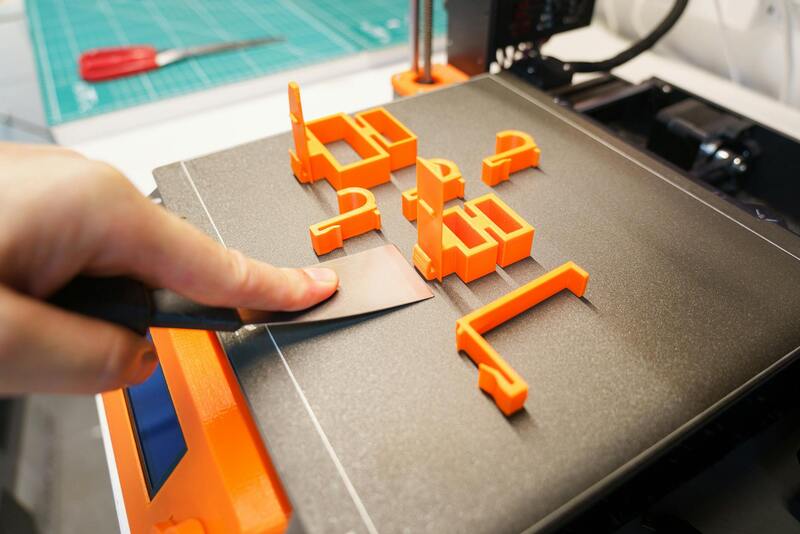
Another pivotal factor is the employment of conveyor and robotic material handling systems. These systems reduce manual labor and minimize delays caused by human error, facilitating continuous workflow. For instance, paper loading, stacking, and finishing stages are often seamlessly automated, enabling a faster progression from initial print run to final product.
Impact of Advanced Technologies on Turnaround Times
Advanced printing technologies significantly shorten delivery schedules for clients who require quick turnarounds. Large-format printers, coupled with expedited drying and curing systems, enable the rapid creation of banners, posters, and signage. Offset printing, though traditionally slower, has evolved with faster press models and digital enhancements that support shorter runs with quick delivery times.
These innovations empower print providers to meet demanding deadlines, especially in high-pressure scenarios such as marketing campaigns or event setups. As a result, clients gain a strategic advantage, receiving high-quality printed materials precisely when needed, often within the same day or a few days following order placement.
Efficiency Through Technological Synergy
The combination of multiple print technologies—digital, offset, large-format—alongside automation tools creates a harmonious workflow that maximizes speed and efficiency. This synergy ensures that print jobs are processed swiftly at each stage, reducing idle times and bottlenecks. Advanced workflow software manages queue priorities based on urgency, enabling quicker response to client needs.
Additionally, real-time monitoring systems track the progress of jobs and automatically alert operators of any issues, allowing immediate corrections. Such proactive management prevents delays, ensuring that fast print services consistently meet tight schedules without compromising on print quality or durability.
Benefits of Innovations for Clients
- Rapid delivery: FastPrint providers can often fulfill urgent orders within hours or days, aligning with deadlines for marketing, events, or retail launches.
- High-quality output: Speed enhancements do not detract from print clarity, color accuracy, or material durability, thanks to precise digital controls and quality management protocols.
- Cost efficiency: Automation reduces labor costs and minimizes errors, translating into competitive pricing for quick turnaround jobs.
- Scalability: Advanced systems accommodate both small and large volume orders, offering flexibility for various project sizes and timeframes.

Factors Affecting Printing Speed and Lead Times
Multiple variables influence the turnaround time for fast print jobs, making it essential to understand these factors to optimize efficiency. Key considerations include the complexity of the design, the type of printed material, the volume of the order, and the specific printing technology employed.
- Design Complexity: Intricate images or detailed graphics may require additional processing time, even with high-speed printers. Simplified designs generally result in quicker production without sacrificing quality.
- Material Type: Different substrates, such as thick cardstock or textured banners, demand varied handling and processing times. Thinner, standard materials tend to print faster than specialty or heavy-duty substrates.
- Order Volume: The quantity of items ordered directly impacts production time. While small runs can be completed rapidly, larger volumes might extend lead times unless streamlined workflows or multiple machines are utilized.
- Printing Technology: Digital printing, known for its speed and flexibility, is often preferred for quick turnarounds. Offset printing, while cost-effective for large quantities, may require longer setup times. Large-format printers excel at banners and displays but may have different throughput rates depending on their specifications.
- Pre-press Preparation: The readiness of digital files and the accuracy of set-up procedures can either expedite or delay the process. Proper file formatting and high-quality proofs reduce chances of reprints, facilitating faster completion.

Understanding the interplay of these elements allows print service providers to better estimate lead times and allocate resources efficiently, ensuring that clients receive their printed products promptly without compromising on quality.
Factors Affecting Printing Speed and Lead Times
Understanding the various elements that influence printing speed is essential for optimizing turnaround times without sacrificing quality. One of the most significant factors is order volume; smaller runs can often be completed within a shorter period due to less setup and processing requirements. Conversely, larger quantities typically demand more extensive setup, which can extend production times unless advanced workflows or multiple machines are employed.
Material selection also plays a crucial role. Standard substrates like lightweight paper or vinyl are generally quicker to process than textured, heavy-duty, or specialty materials, which may require additional handling or processing steps. For example, thick cardstock or textured banners might necessitate slower printing speeds or specialized equipment, influencing overall lead times.
Design complexity and customization options further impact the speed of delivery. Simple, straightforward designs with minimal color layers print faster than intricate images with multiple finishes or specialty effects. High-resolution files and complex graphical elements can increase the processing time, although proper preparation and optimized file formats help mitigate delays.
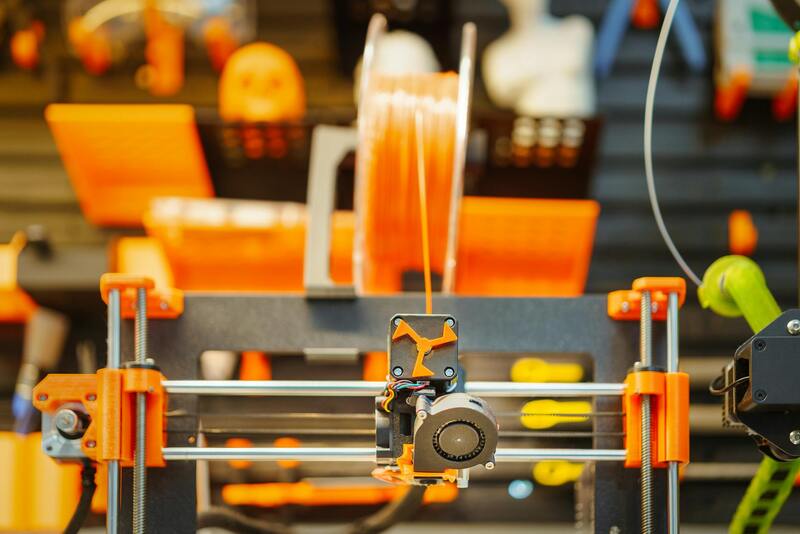
Furthermore, the level of personalization required — such as variable data printing, unique finishes, or specialized ink applications — may lengthen production times. Adjustments to printer settings, calibration, and quality checks are needed to ensure the desired output quality, especially when high-volume or customized jobs are involved.
Choosing the Right Fast Print Service Provider
Selecting an experienced and well-equipped printing partner is pivotal in achieving rapid turnaround times. Look for providers who have invested in modern digital and large-format printers capable of handling diverse materials quickly and efficiently. The ability to handle multiple jobs simultaneously through streamlined workflows enhances speed without sacrificing standards.
Customer service also plays a vital role. A provider that offers clear communication, accurate estimates, and prompt responses can help manage expectations and avoid unforeseen delays. Transparent processes, including upfront review of digital files and proof approvals, ensure that production proceeds smoothly and swiftly.
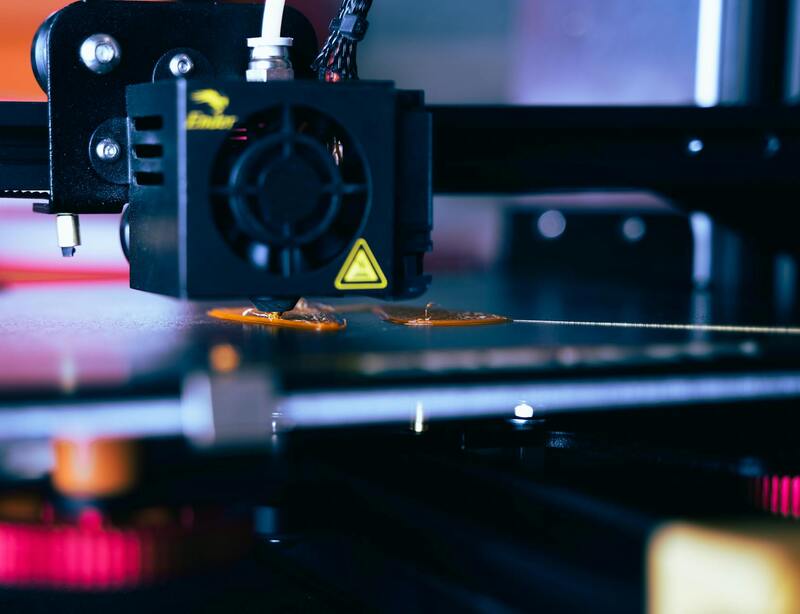
Additionally, providers who offer comprehensive pre-press services — such as file preparation, color correction, and proofing — contribute significantly to reducing lead times. Their expertise minimizes the need for reprints or adjustments after production has begun, accelerating the overall process.
Lastly, the ability to scale operations by utilizing multiple high-speed printers and maintaining adequate inventory of common materials helps meet tight deadlines for various project sizes and types. When a print service can quickly adapt to changing demands, it ensures timely delivery without compromising the quality of the final product.
Strategies to Maximize Production Speed Without Compromising Quality
Efficiently managing the entire printing process is crucial for achieving rapid turnaround times while maintaining high standards. This involves multiple targeted strategies designed to optimize each phase of production, from file preparation to final delivery.
- Pre-press Optimization: Ensuring that print files are correctly formatted, color-corrected, and free of errors before entering production minimizes delays caused by rejections or adjustments. Pre-press specialists review files to align with printer capabilities and material specifications, reducing the time spent on corrections later in the process.
- Streamlined Workflow Management: Implementing automated workflows and digital job tracking tools helps coordinate various stages of production seamlessly. This reduces manual intervention, accelerates job sequencing, and enhances overall throughput.
- Utilization of High-Performance Equipment: Relying on advanced digital and large-format printers capable of handling multiple jobs simultaneously allows for rapid production cycles. Regular maintenance and calibration of machines ensure consistent quality and minimize downtime.
- Inventory Management: Maintaining readily available stocks of common materials such as paper, inks, and substrates ensures that production isn’t halted due to material shortages. A well-organized inventory system facilitates quick preparation for urgent jobs.
- Staff Training and Expertise: Well-trained operators who understand the intricacies of various printing technologies can swiftly troubleshoot issues and make adjustments, preventing delays. Continuous staff development ensures they are familiar with the latest techniques and equipment capabilities.
Leveraging Digital Technology for Faster Turnarounds
Modern digital printing platforms have revolutionized the speed of print services. Digital printers provide high-quality output with minimal setup times, making them ideal for short-run projects and quick turnarounds. Additionally, integrated digital workflows allow for direct file uploads, immediate job initiation, and real-time progress monitoring, significantly reducing lead times.

Automation software can handle multiple tasks simultaneously, including color management, job sequencing, and quality assurance checks. These technological integrations help reduce human error and streamline operations, ultimately enabling providers to meet tight deadlines consistently.
Factors Affecting Printing Speed and Lead Times
Several factors play crucial roles in determining how quickly a printing job can be completed, especially when speed is a priority. Understanding these elements helps in planning and selecting the right printing service to meet tight deadlines effectively.
- Job Complexity and Size: Larger or more complex jobs naturally require more time, especially if they involve intricate designs, multiple colors, or special finishes. Simplifying design elements where possible can accelerate the process without compromising quality.
- Material Selection: The type of substrate or material used influences processing time. Standard materials like basic paper or cardstock typically lead to faster printing compared to specialty papers or substrates requiring additional handling.
- Color Procedures and Ink Types: Full-color or multi-color printing involves more setup and drying time. Monochrome or single-color jobs are usually quicker to execute, particularly when using digital printing technologies optimized for rapid output.
- Setup and Prepress Processes: Efficient prepress operations, including file preparation, color calibration, and plate or digital file setup, are essential for reducing overall turnaround times. Some advanced digital workflows allow for instant file uploads and direct printing, significantly cutting down preparation time.
- Production Capacity and Machine Availability: The current workload and equipment availability at the printing facility impact lead times. Facilities with multiple high-speed printers and streamlined workflows are better equipped to handle rush orders swiftly.
- Post-Printing Processes: Finishing tasks such as cutting, binding, lamination, or coating can add to the overall timeline. Choosing services that integrate finishing options into their workflow helps expedite delivery.
Tips for Ensuring Fast and Quality Printing
Achieving rapid turnaround without sacrificing quality involves strategic planning and effective communication with your print provider. Here are some tips to optimize speed and quality:
- Prepare Accurate Files: Ensure your digital files are correctly formatted, high resolution, and free of errors. Clear specifications regarding color profiles, bleed, and margins help prevent delays caused by file revisions.
- Communicate Urgency Clearly: Inform your printer early about tight deadlines. This allows them to prioritize your job and allocate resources accordingly.
- Choose the Right Materials: When speed is critical, opt for readily available, standard substrates that require minimal handling and setup time.
- Utilize Digital Printing Technologies: Digital printers facilitate quick job processing, especially for small to medium runs. They eliminate the need for plates or extensive prepress preparations.
- Coordinate Finishing and Delivery: Incorporate finishing services into your initial order and plan for efficient delivery options. Many digital print providers offer on-site finishing that can save additional time.
- Plan for Inventory and Stock Management: Maintaining an organized stock of popular materials ensures quick access and minimizes delays caused by material shortages.
- Leverage Workflow Automation: Advanced digital workflows that integrate file management, color management, and job sequencing can significantly reduce manual handling and errors, leading to faster completion times.