Large Format Printing Company: Services, Applications, And Choosing The Right Partner
Overview of Large Format Printing
Large format printing, also known as wide format printing, involves the production of visual materials on sizes that extend beyond standard printing dimensions. Typically, these prints surpass 24 inches in width, accommodating various lengths depending on project requirements. This specialization plays a critical role in the advertising and visual communication sectors, offering a versatile platform for creating impactful signage, banners, murals, and display materials.
The significance of large format printing lies in its ability to deliver high-quality, eye-catching visuals suitable for both indoor and outdoor environments. The technology used allows for vibrant color reproduction, precise detail, and durable outputs that withstand weather conditions and prolonged exposure. Material selection, size flexibility, and advanced printing techniques contribute to its effectiveness in conveying messages and brand identity.
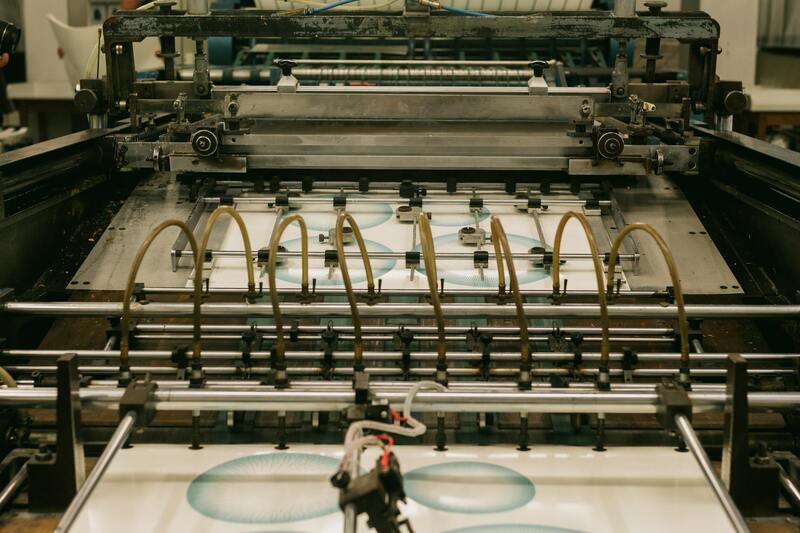
Material options for large format printing are extensive, including vinyl, fabric, canvas, paper, and specialty substrates. Each material pairings are chosen based on the intended application—whether for temporary advertising displays or long-term outdoor signage. The typical sizes aim to maximize visibility from a distance, making them ideal for billboard ads, trade show backdrops, and retail displays.
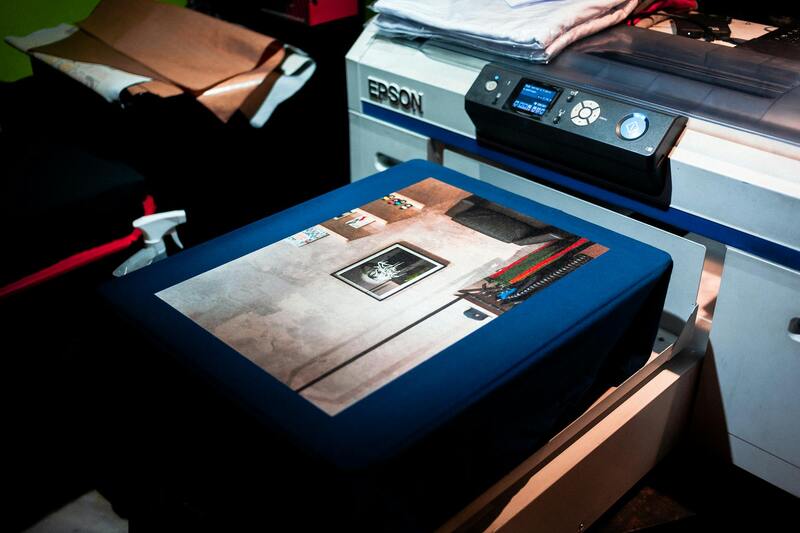
Various printing technologies are utilized, predominantly inkjet-based systems, which offer the flexibility needed for large-scale applications. These printers employ specialized inks designed for durability and vivid coloration, ensuring that the final product meets high standards of quality. The combination of large format printing technology and premium materials results in visual outputs that are both striking and resilient.
Overview of Large Format Printing
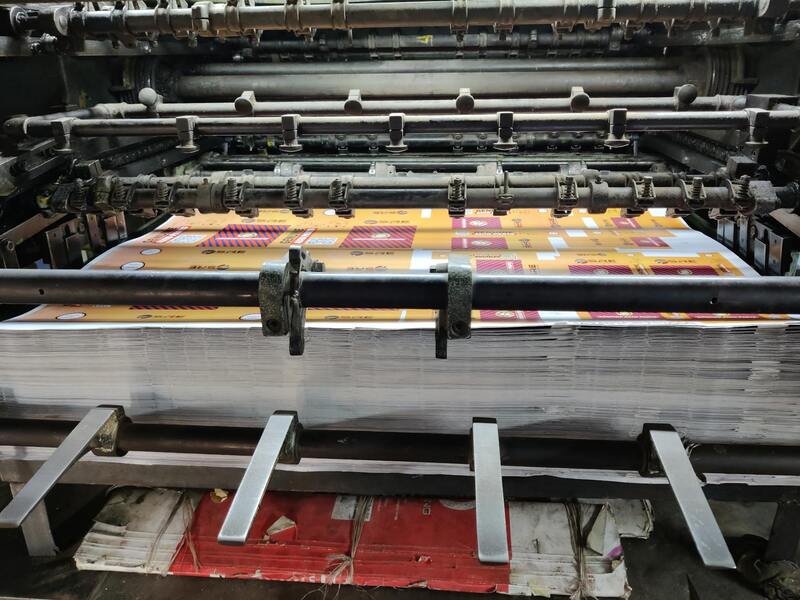
Large format printing stands as a pivotal element in the advertising and visual communication industries, enabling the production of expansive, high-impact visuals that appeal to broad audiences. This technology is specifically designed to produce large-scale graphics with high resolution, making it ideal for creating signage, banners, murals, and various display materials that require maximum visibility and clarity. The process typically involves wide-format inkjet printers capable of handling materials up to several meters in width, ensuring that no visual message is constrained by size limitations.

The core benefits of large format printing lie in its ability to deliver vibrant, detailed images that maintain their quality when scaled to considerable sizes. Whether used indoors for retail displays and exhibitions or outdoors for billboards and building wraps, the durability of the output is paramount. The technological advancements in ink formulations, such as UV-resistant and weatherproof inks, further enhance the lifespan and performance of printed materials under diverse environmental conditions.
Material selection plays a critical role in large format printing, with options ranging from vinyl and canvas to fabric and specialty substrates. These materials are chosen based on the specific application requirements, including exposure duration, aesthetic preferences, and environmental factors. The range of sizes available from professional large format printing companies caters to various project scales, from small indoor displays to massive outdoor advertising structures that maximize visibility from a distance.
Precision and Quality Control
Consistency in color reproduction and sharp detail is maintained through meticulous calibration of printing equipment and the use of high-quality inks. Modern large format printers employ advanced printhead technology and color management systems to ensure uniformity across large panels, preventing issues like color discrepancies or pixelation. Regular maintenance and quality checks are integral to the production process, ensuring that each output adheres to strict standards of excellence.
Environmental and Safety Considerations
Leading large format printing companies adopt environmentally responsible practices by utilizing eco-friendly inks and recyclable substrates whenever possible. Proper disposal of waste materials and adherence to health and safety protocols during the printing process reflect their commitment to sustainability. These measures not only safeguard the environment but also contribute to the production of safer, more responsible visual communication products.
In summary, large format printing embodies a blend of innovative technology, material versatility, and quality assurance that enables brands and organizations to communicate effectively on a grand scale. The ability to produce durable, vibrant visuals tailored to specific project needs underlines its importance in creating impactful signage, advertising campaigns, and visual storytelling initiatives.
Materials and Substrates Used in Large Format Printing
Selecting the appropriate materials and substrates is a crucial step in ensuring the success of large format printing projects. Durable substrates such as vinyl, canvas, mesh, fabric, and rigid surfaces like foam board, acrylic, and aluminum composite panels are commonly used for various applications. The choice depends on factors like environmental exposure, desired lifespan, visual impact, and installation environment.
Vinyl remains the most versatile and widely used substrate for outdoor signage, banners, and wall wraps due to its weather-resistant properties. Canvas and fabric materials are preferred for high-end art reproductions, trade show displays, and interior décor, offering a premium appearance with vibrant color reproduction. Rigid substrates such as foam board and acrylic are ideal for point-of-sale displays, trade show booths, and signage that require stability and durability.
Environmental considerations dictate the use of eco-friendly materials and recyclable substrates whenever possible. Manufacturers increasingly offer biodegradable films and water-based inks that reduce environmental impact without compromising quality. Additionally, the utilization of recyclable papers and sustainable substrates aligns with growing demand for responsible printing practices.
Quality Assurance and Consistency in Large Format Printing
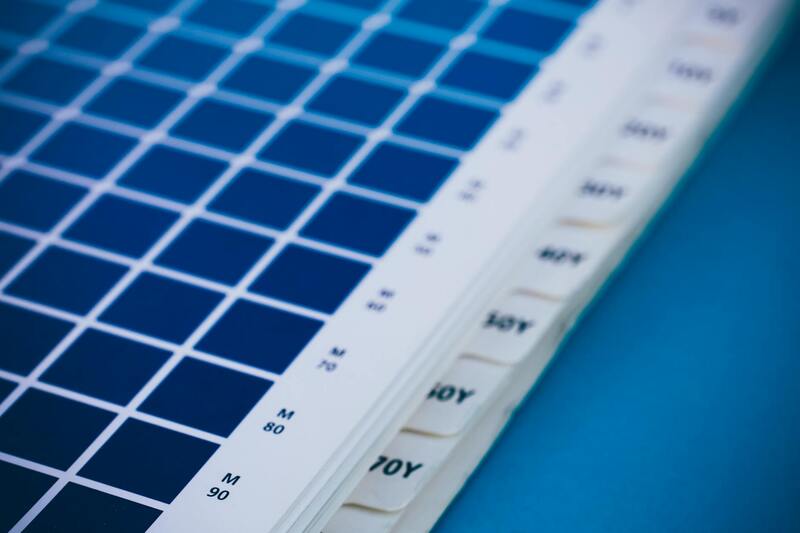
Maintaining high standards across large-scale print jobs requires rigorous quality control measures. Modern large format printing companies employ advanced color management systems that include spectrophotometers and calibration tools to ensure precise color matching and repeatability. Regular calibration of printers minimizes discrepancies, ensuring that each print maintains consistency regardless of size or complexity.
Sharpness and detail are preserved through meticulous calibration of printheads and precision control of ink flow. Key performance indicators such as color density, registration accuracy, and substrate adhesion are monitored throughout the production process. This rigorous approach ensures that every output is of uniform excellence, meeting or exceeding client expectations.
Advanced Printing Techniques and Their Suitable Applications
Different printing methods serve various purposes based on the specific needs of a project. Inkjet printing, especially UV and solvent variants, dominate large format applications due to their versatility, speed, and color fidelity. UV printing is particularly suited for rigid substrates, offering high-quality, durable images with excellent UV resistance. Solvent and eco-solvent printing excel in outdoor signage, providing long-lasting visuals with weatherproof properties.
Dye-sublimation, usually applied on fabric or coated substrates, is preferred for producing vibrant textiles and soft signage with a high degree of color richness and durability. The choice of printing technology directly impacts the project's longevity, visual quality, and environmental footprint.
Detailed Overview of Large Format Printing
Large format printing is a specialized segment within the printing industry that focuses on producing high-quality graphics on expansive surfaces. This method leverages advanced technology to create vivid, detailed visuals suitable for a variety of applications ranging from environmental graphics to promotional displays. Unlike traditional printing processes, large format printing employs versatile equipment capable of accommodating substantial print sizes, often measuring several meters in width and length. This capability ensures that brands and businesses can achieve impactful visibility through banners, wall coverings, vehicle wraps, and other large-scale media.

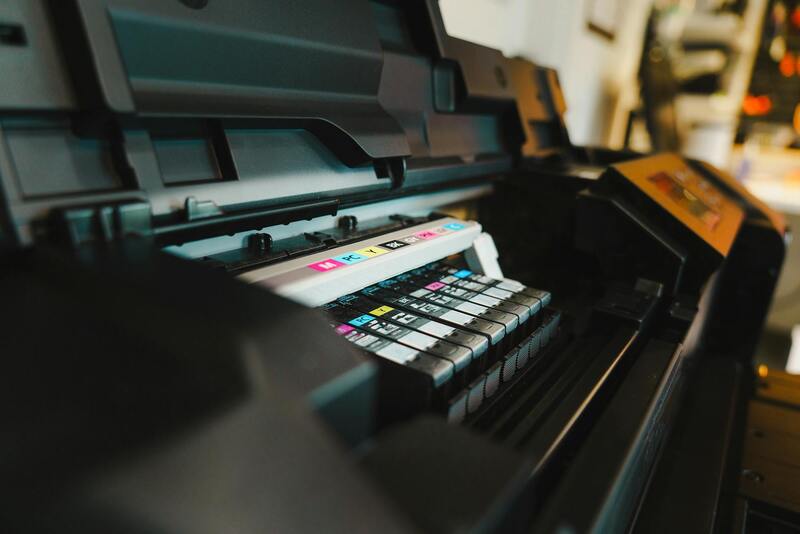
The technological infrastructure behind large format printing involves high-end inkjet printers, which utilize multiple ink cartridges to reproduce color-rich and crisp imagery. These printers are equipped with sophisticated features such as advanced color management systems, optical sensors for precise registration, and robust curing mechanisms for fast-drying outputs. The choice of materials and substrates plays a significant role in the final appearance, durability, and practicality of the printed media. This combination of technology and materials allows for customization, ensuring that each project meets specific client needs and environmental conditions.
Goals of Professional Large Format Printing Services
- Maximizing color accuracy and vibrancy to ensure brand consistency
- Providing durable, weather-resistant prints suitable for outdoor use
- Ensuring high-resolution outputs with sharp details and smooth gradients
- Adapting to diverse substrates for varied installation environments
- Meeting tight deadlines without compromising quality
Adopting official and established methods for large format printing involves meticulous calibration, high-quality substrates, and rigorous quality control procedures. Standardized color management practices, such as spectrophotometer-based color matching and regular equipment calibration, guarantee consistency across multiple prints and batches. Additionally, selecting trusted, compatible materials ensures that the output maintains its aesthetic appeal and structural integrity over time, especially in challenging outdoor settings.
Proprietary Techniques That Elevate Output Standards
High-caliber large format printers utilize multiple technological advancements, including UV-curable inks for rigid substrates, solvent-based inks for weatherproof applications, and dye sublimation for soft signage. These methods are chosen based on the project requirements, substrate compatibility, and environmental considerations. For instance, UV printing produces vibrant images on glass, acrylic, and other non-porous surfaces, with excellent UV resistance. Solvent and eco-solvent printing excel at outdoor signage by providing resilience against weather conditions, fading, and cleaning agents. Understanding these methods allows a professional printing company to recommend the best process tailored to each client's visualization goals and environmental demands.
Furthermore, the implementation of precise calibration routines, inspection standards, and quality assurance protocols ensures uniformity and reliability throughout the production pipeline. This disciplined approach minimizes errors, reduces waste, and ultimately delivers superior results to clients seeking large-format visuals that command attention and withstand environmental factors.
Overview of Large Format Printing
Large format printing encompasses a set of professional printing techniques designed to produce expansive visual displays, promotional banners, signage, and decorative graphics that demand high-resolution output on substantial substrates. This specialized form of printing is essential for industries requiring impactful visual communication, allowing businesses and organizations to present their messages prominently in both indoor and outdoor settings. Modern large format printing leverages advanced machinery and a variety of inks, offering exceptional color fidelity, durability, and clarity, which are critical for branding and marketing efforts. Precision in color matching and the ability to print on diverse materials make large format printing a versatile solution for graphic displays, event backdrops, vehicle wraps, and architectural branding.

Common Applications and Industries
Large format printing finds widespread application across many sectors, driven by the need for eye-catching, scalable visuals. In retail, it is employed for window displays, point-of-sale signage, and product advertising banners. Event organizers utilize large prints for backdrop banners, stage graphics, and event signage to capture attention and enhance thematic elements. The architecture and construction industry leverages large format prints for site signage, safety instructions, and aesthetic facades, providing both functional and promotional benefits. The transportation sector benefits from vehicle wraps, fleet branding, and outdoor directional signs, all of which require durable, weather-resistant graphics. Additionally, educational institutions and government agencies utilize large signage for informational displays, public awareness campaigns, and wayfinding systems.
Furthermore, the advertising and entertainment industries rely heavily on large format printing for billboard advertising, exhibition displays, and digital media integrations. The healthcare industry employs large format banners and posters for patient education and clinic branding, demonstrating the flexibility and relevance of this printing method across fields. As businesses aim to strengthen their visual presence in crowded environments, the capacity to produce striking, large-scale visuals becomes indispensable.
Types of Large Format Printing Technologies
Understanding the different printing technologies is vital when selecting a large format printing partner that meets specific project needs. The most prominent methods include:
- UV Printing: Uses ultraviolet light to cure ink instantly upon contact with the substrate. This technique is ideal for rigid surfaces such as glass, acrylic, and metal, facilitating vibrant, durable prints with high resistance to UV exposure.
- Solvent and Eco-Solvent Printing: Employs solvent-based inks that penetrate materials for outdoor durability. Eco-solvent variants offer environmentally friendlier options while maintaining weatherproof characteristics, making them suitable for banners, signage, and vehicle wraps exposed to outdoor elements.
- Dye Sublimation: Converts dye-based inks into gas during heat transfer processes, resulting in soft, vibrant prints on polyester fabrics. It is predominantly used for soft signage, textiles, and promotional apparel.
- Latex Printing: Uses water-based inks with latex polymers that cure upon exposure to heat, producing flexible, eco-friendly large format prints suitable for both indoor and outdoor applications.
Each technology offers unique advantages, with selection depending on substrate type, environmental exposure, and desired print longevity. Professionals in the field optimize output by calibrating machines meticulously, inspecting color consistency, and adhering to quality assurance protocols, ensuring clients receive visuals that are both striking and enduring.
Materials and Substrates Used
Choosing the right substrate is crucial in large format printing, impacting the visual quality, durability, and application versatility of the final product. Common materials include vinyl, fabric, paper, acrylic, and rigid panels such as aluminum or foam board. Vinyl remains the most popular for outdoor signage due to its weather resistance, flexibility, and ease of installation. Canvas and fabric substrates are preferred for interior displays requiring a textured, high-end appearance. Rigid materials like acrylic and metal offer sophisticated, long-lasting signage options, especially for architectural or point-of-sale displays. Other specialty substrates include backlit film for illuminated displays, window perf for transparent signage, and mesh banners that allow wind passage for large outdoor installations.

Material compatibility is a key consideration, as it affects adhesion, color vibrancy, and weather resilience. Professional large format printing providers meticulously select substrates based on environmental factors, aesthetic goals, and structural needs. The proper combination of technology and materials ensures the integrity of the output, allows for vibrant reproduction of colors, and supports long-term performance without degradation, even under challenging outdoor conditions.
Overview of Large Format Printing
Large format printing stands as an essential component within the visual communication industry, enabling the creation of impactful displays, signage, and promotional materials. Precision, quality, and durability are paramount in this sector, especially when producing graphics intended for outdoor visibility or high-traffic environments. The technology and materials utilized in large format printing are specifically designed to deliver vibrant colors, sharp details, and long-lasting results. This specialized printing process requires high-end machinery capable of handling expansive media widths and varied substrate types. Achieving high resolution and color accuracy consistently across large surfaces necessitates a combination of advanced equipment, expert handling, and rigorous quality control measures. With the continued evolution of print technology, large format printing companies now leverage eco-friendly inks, versatile substrates, and digital workflows that streamline production while maintaining superior standards. The operational expertise and technical capabilities of a large format printing company directly influence the quality, durability, and overall effectiveness of the final product, making it a critical factor for brands and organizations aiming to make a memorable visual impact.

Materials and Substrates Used
The choice of substrate is fundamental in large format printing, influencing aesthetic appeal, environmental resilience, and application compatibility. Common materials include vinyl, fabric, paper, acrylic, and rigid panels such as aluminum or foam board. Vinyl remains a top choice for outdoor signage due to its weather resistance, flexibility, and ease of installation. Fabric prints are often selected for interior displays where a textured, high-end finish is desired. Rigid materials like acrylic and metal are favored for sophisticated, durable signage, ideal for architectural displays and point-of-sale graphics. Specialty substrates, such as backlit film, enable illuminated displays that create eye-catching visual effects, while window perforated film provides transparency without compromising visibility. Mesh banners are engineered to withstand outdoor conditions, allowing wind passage and reducing strain on fixtures. These substrates are meticulously selected based on environmental exposure, aesthetic requirements, and structural considerations. Compatibility with printing technologies ensures optimal adhesion, color vibrancy, and longevity of the signage, even under demanding outdoor or indoor scenarios. Efficacious large format printing relies on this strategic material selection, driven by professional expertise and environmental considerations.

Choosing the Right Large Format Printing Company
Identifying a reliable large format printing partner involves evaluating multiple key criteria. First, the quality of equipment is paramount; advanced, well-maintained printers ensure consistent high-resolution output and color fidelity. Material options and their availability also matter—they should offer diverse substrates tailored to specific project needs, from outdoor durability to interior aesthetics. Experience and technical expertise are crucial, as seasoned providers can handle complex designs, large volumes, and bespoke customizations with precision. Customer reviews and portfolio showcases offer insights into a company’s reputation and versatility, revealing their capacity to deliver on diverse projects. Flexibility in design and finishing options, along with the ability to meet tight deadlines, are additional factors influencing choice. Transparent communication and a consultative approach further enhance the partnership, ensuring that project goals are fully understood and achieved. Choosing a company that demonstrates professionalism, innovative capabilities, and a focus on quality assurance guarantees a successful outcome aligned with the client’s strategic branding objectives.
Comprehensive Installation and Support Services for Large Format Printing
Beyond the creation of high-quality prints, a leading large format printing company offers a suite of professional installation and support services that are critical to achieving optimal visual impact. Proper installation ensures that banners, murals, signage, and other large-scale graphics are displayed correctly, securely, and with a polished finish that aligns with clients' strategic objectives.
These services typically encompass framing, mounting, and structural support, tailored to the specific materials and environmental conditions of each project. For instance, outdoor signage requires weather-resistant mounting solutions, while interior displays may involve wall adhesives or frameless mounting techniques that preserve aesthetics. Skilled technicians are equipped with the latest tools and techniques to handle complex installations, regardless of the size or location.
Importance of Post-Installation Support
Ongoing support extends beyond initial installation, including maintenance advice, repairs, and updates which are essential for preserving the integrity and visual impact of large format prints over time. Companies often provide consultation on environmental factors such as lighting, weather, and wear, recommending appropriate cleaning and preservation techniques to extend product lifespan.
Support services also involve troubleshooting any issues that arise, ensuring that the installation remains pristine and aligned with branding specifications. This level of support guarantees sustained visibility and maximizes return on investment, making the visual assets a lasting representation of the client's brand or messaging.
Training and Consultation
Moreover, top-tier providers offer training sessions for in-house teams on handling, mounting, and maintaining large format graphics. This proactive approach minimizes damage and ensures that clients can independently manage routine upkeep. Consultative services are also available to inform clients about new materials, technologies, and industry best practices, empowering them to make informed decisions for future projects.
Such comprehensive support underscores a company’s commitment to quality and client satisfaction, fostering long-term partnerships built on trust and expert guidance.
Ensuring Accurate and Quality Results with Offical Large Format Printing Methods
When pursuing large format printing projects that meet professional standards, choosing legitimate and proven methods ensures the final output is precise, durable, and visually impactful. Authentic large format printing techniques rely on established processes and equipment that adhere to strict industry standards, guaranteeing consistency in color, resolution, and material handling. These methods include the utilization of high-resolution printers equipped with pigment-based inks or solvent inks tailored for various substrates, providing vibrant colors and long-lasting durability under different environmental conditions.
Implementing genuine printing methods preserves the integrity of your graphics, preventing common issues such as color fading, misalignment, or material damage. Certified approaches often involve the use of color management systems that calibrate devices for color accuracy across multiple print runs, ensuring brand consistency in every piece produced. Moreover, reliable substrates—such as vinyl, fabric, canvas, or specialty films—are selected based on compatibility with the chosen technology, further enhancing the quality and lifespan of the final product.
A reputable large format printing company will operate with official processes that include thorough prepress checks, proofing, and quality assurance steps. This includes color Proofing and calibration to match client expectations accurately, as well as real-time monitoring during the printing process to detect and correct deviations promptly. Such adherence to validated production procedures minimizes waste, reduces rework, and accelerates project completion, offering clients reliable results that uphold their branding standards.
Additionally, official methods encompass environmentally responsible practices, like the use of eco-friendly inks and recyclable substrates, which align with sustainable industry practices. These environmentally conscious techniques demonstrate a commitment to responsible production without compromising on quality.
Utilizing trusted methods also means working with providers who have certified technicians and quality control protocols in place, guaranteeing that every stage of the process—from digital setup to final inspection—is executed correctly. This diligence ensures that large format prints are not only visually striking but also structurally sound and suitable for their intended display environment.
By partnering with a company like s7printing.com, clients can rely on a suite of authentic, officially sanctioned technologies and procedures. The expertise embedded in these methods secures the durability, accuracy, and visual excellence of all large format printing projects, whether for indoor banners, outdoor signage, trade show displays, or custom installations.