Color Printing Price In Singapore: Factors, Costs, And Pricing Strategies
Introduction to Color Printing Pricing
In Singapore’s competitive printing industry, understanding the intricacies of color printing prices is essential for both individual consumers and businesses. Accurate knowledge of the factors influencing costs enables better budgeting, improved decision-making, and optimized resource allocation. Color printing services encompass a broad spectrum of applications—from marketing materials and promotional flyers to corporate documents and personalized creative projects. Therefore, an insightful comprehension of pricing structures plays a pivotal role in leveraging these services effectively.
Color printing prices are not static; they fluctuate based on various aspects such as project complexity, volume, material quality, and technology used. For organizations seeking large-scale batch printing, economies of scale often lead to lower per-unit costs, whereas smaller or customized orders typically carry higher charges. Recognizing these elements helps clients choose appropriate printing solutions aligned with their budget and quality requirements.
Moreover, the diversity in printers and service providers across Singapore means pricing can vary significantly. Some providers may offer bundled packages or discounts for repeat customers, while others might charge premium rates for advanced color fidelity or expedited turnaround times. Consequently, comparing these pricing models is crucial for making informed decisions.
Color printing is a vital component of effective branding and communication strategies. From vibrant posters to detailed product catalogs, high-quality color printing enhances visual appeal and message clarity, making understanding of pricing a strategic advantage. When clients grasp the key factors affecting costs, they can better plan campaigns, avoid unnecessary expenditures, and select services that deliver value without compromising quality.
Furthermore, technology developments in digital and offset printing continue to influence market prices. Innovations such as high-speed digital color printers and eco-friendly materials offer new options for customization at more competitive rates, thereby broadening accessibility for various market segments.
Ultimately, an appreciation of the elements influencing color printing prices fosters transparency and helps clients establish realistic expectations. It supports building strong, result-oriented relationships with service providers committed to offering quality services at fair, competitive rates.

Understanding the Components of Color Printing Price
When evaluating the cost of color printing services, it is essential to recognize the core elements that contribute to the final price. These components reflect the complexity and quality requirements of each project and are crucial for clients aiming to optimize their printing budgets.
Paper Quality and Type
The substrate choice significantly influences pricing. Standard paper stocks, such as 80gsm uncoated paper, tend to be more economical, whereas premium materials like glossy, matte, or textured papers increase costs. Special finishes, such as gloss or matte coatings, add to the expense by requiring additional processing steps. Additionally, thicker or specialty papers like card stock or waterproof materials range at higher prices, directly impacting total costs.
Print Quality and Resolution
The desired quality level—ranging from standard to high-resolution outputs—also influences pricing. Higher resolution settings demand more precise color calibration and advanced print heads, which can extend printing time and utilize more resources. Achieving color accuracy with increased detail often necessitates specialized equipment and consumables, thereby adding to costs. Clients seeking vibrant, detailed images should anticipate higher charges than those requiring basic color reproduction.
Color Complexity and Design
Complex color schemes with multiple hues, gradients, or photographic imagery generally incur greater costs due to the increased need for color management and calibration. Simple color fills or minimalistic designs are typically less expensive. The number of colors involved directly correlates with ink usage; more colors mean higher expenses, especially when printing on large quantities.
- Multi-color designs
- Photographic or high detail images
- Color gradients or special effects
Order Volume and Turnaround
Economies of scale come into play with larger orders, often reducing the per-unit cost. Conversely, small quantities may attract premium pricing due to setup costs and the relatively higher cost of ink and labor. Urgent turnaround requirements may also escalate prices, as expedited services often involve overtime or priority processing, which increases operational costs.
Printing Technology and Equipment
Digital and offset printing differ in their pricing structures. Digital printers are typically more economical for small-to-medium runs, offering quick turnarounds and ease of customization. Offset printing, though involving higher initial setup costs, becomes more cost-effective with larger volumes. The choice between these technologies depends on project scale and specific quality or color fidelity requirements.
Additional Services and Finishing
Post-printing processes like laminations, UV coatings, die-cutting, and binding services further influence the overall price. These finishing treatments enhance durability and aesthetic appeal but require extra labor and materials. Consideration of these options is crucial for comprehensive budgeting, especially for marketing materials where presentation quality is paramount.
Summary of Price-Influencing Factors
- Type and quality of printing media
- Desired print resolution and fidelity
- Design complexity and number of colors used
- Order size and urgency of delivery
- Technology employed in the printing process
- Finishing and post-processing requirements
Clients looking to obtain the most accurate and competitive color printing prices should communicate their specific needs clearly to service providers. A detailed discussion on project scope, quality expectations, and deadlines enables providers to offer tailored quotes that align with budget constraints while meeting the desired standards.
Introduction to Color Printing Pricing
Understanding the cost structure for color printing involves examining a variety of factors that influence the final price. Unlike black and white printing, where costs are primarily driven by material usage, color printing incorporates additional elements such as color fidelity, media quality, and processing techniques. This complexity necessitates a detailed assessment of your project requirements to accurately gauge expenses. Clients seeking to optimize their budgets must consider both upfront and ongoing costs associated with different printing methods, ensuring that the selected approach aligns with their output goals and budget constraints.
Key Factors Affecting Color Printing Prices
- Type of Printing Technology: Digital and offset printing methods have distinct cost implications. Digital printing usually offers lower setup costs suitable for short runs, whereas offset printing benefits larger volumes with more favorable unit costs once the initial setup is complete.
- Print Media and Material Costs: The choice of paper, cardstock, or specialty materials significantly influences costs. Higher-quality or specialty media typically incur additional charges, especially when specific finishes or textures are desired.
- Color Fidelity and Resolution: High-resolution images with intricate color details require advanced printing capabilities, which may entail higher costs. The number of colors used also impacts pricing, as more ink colors increase material and processing expenses.
- Design Complexity: Detailed designs with gradients, images, and multiple color layers demand more precise calibration and printing time, thereby increasing costs.
- Order Volume and Urgency: Large quantity orders tend to benefit from bulk discounts, reducing the per-unit price. Conversely, expedited orders may incur premiums due to rush processing and prioritization.
- Finishing and Post-Processing: Additional services like lamination, UV coatings, die-cutting, and binding contribute to overall costs but enhance the durability and aesthetic appeal of printed materials.
Moreover, the complexity and scope of each project can lead to variations in pricing. Detailed discussions with printing service providers enable accurate estimates, considering all these variables. A comprehensive understanding of these influencing factors allows clients to make informed decisions, ensuring that their investments in color printing deliver optimal value without compromising on quality or presentation.
Introduction to Color Printing Pricing
Understanding the intricacies of color printing costs is vital for both individuals and businesses seeking high-quality visual representations. The price of color printing is influenced by numerous variables that go beyond the mere number of pages or copies produced. Factors such as print complexity, media type, color fidelity requirements, and turnaround times all contribute to the final cost structure. Recognizing these elements allows customers to budget effectively, ensuring that their printed materials meet their standards without unnecessary expenditure.

Key Factors Affecting Color Printing Prices
The cost of color printing is not static; it depends heavily on several key factors, including:
- Print Volume: Larger print runs generally benefit from volume discounts, reducing the per-unit expense. Conversely, small batches or one-off prints tend to be more costly on a per-piece basis.
- Media and Material Choice: The type of paper or substrate significantly impacts pricing. Premium materials, specialty finishes, or textured media usually incur higher costs compared to standard paper options.
- Color Quality and Resolution: High-resolution images, sophisticated gradients, or applications requiring precise color matching often demand more advanced printing technology, thereby increasing costs.
- Design Complexity: Intricate designs involving multiple color layers, detailed images, and effects require additional calibration and longer printing times, influencing the overall price.
- Finishing and Post-Processing: Additional services such as lamination, UV coating, die-cutting, or binding will add to the total cost but enhance the durability and aesthetic appeal of the final product.
- Turnaround Time: Rushed projects that require expedited processing often include premiums, contributing to higher pricing for quick delivery.
Types of Color Printing Services and their Pricing Models
Color printing encompasses various service offerings, each with distinct pricing structures tailored to meet different needs:
- Digital Color Printing: Suitable for short to medium runs, digital printing offers quick turnaround and precise color reproduction. Pricing often depends on the number of copies, chosen media, and additional finishing options.
- Offset Color Printing: Ideal for large volume orders, offset printing provides cost efficiencies at scale. Setup costs are higher, but per-unit prices decrease significantly with volume, making it advantageous for mass production.
- Large-Format Color Printing: Used for banners, posters, and signage, large-format printing has a separate pricing model influenced by material size, type, and resolution requirements.
- Specialty and Custom Color Printing: Projects involving unique finishes, textures, or custom color matching are priced based on project scope, material specialty, and complexity.

Effective Strategies for Cost Management
To optimize expenses without sacrificing quality, consider the following approaches:
- Planning and Design Optimization: Simplifying designs and reducing the number of color layers can significantly lower costs.
- Bulk Ordering: Combining multiple projects or increasing order size often yields volume discounts that reduce unit prices.
- Material Selection: Choosing standard media when possible helps in avoiding premium charges associated with specialty materials.
- Advance Booking: Planning ahead allows for the utilization of standard processing times, avoiding premium expedited fees.
- Partnering with Reputable Providers: Establishing relationships with experienced printing service providers ensures transparency in pricing and access to cost-effective solutions.
By understanding these fundamental pricing determinants and adopting strategic planning, clients can ensure their color printing projects are both visually impactful and economically efficient, fitting within their budgetary constraints while maintaining high standards.
Understanding the Calculation of Color Printing Costs
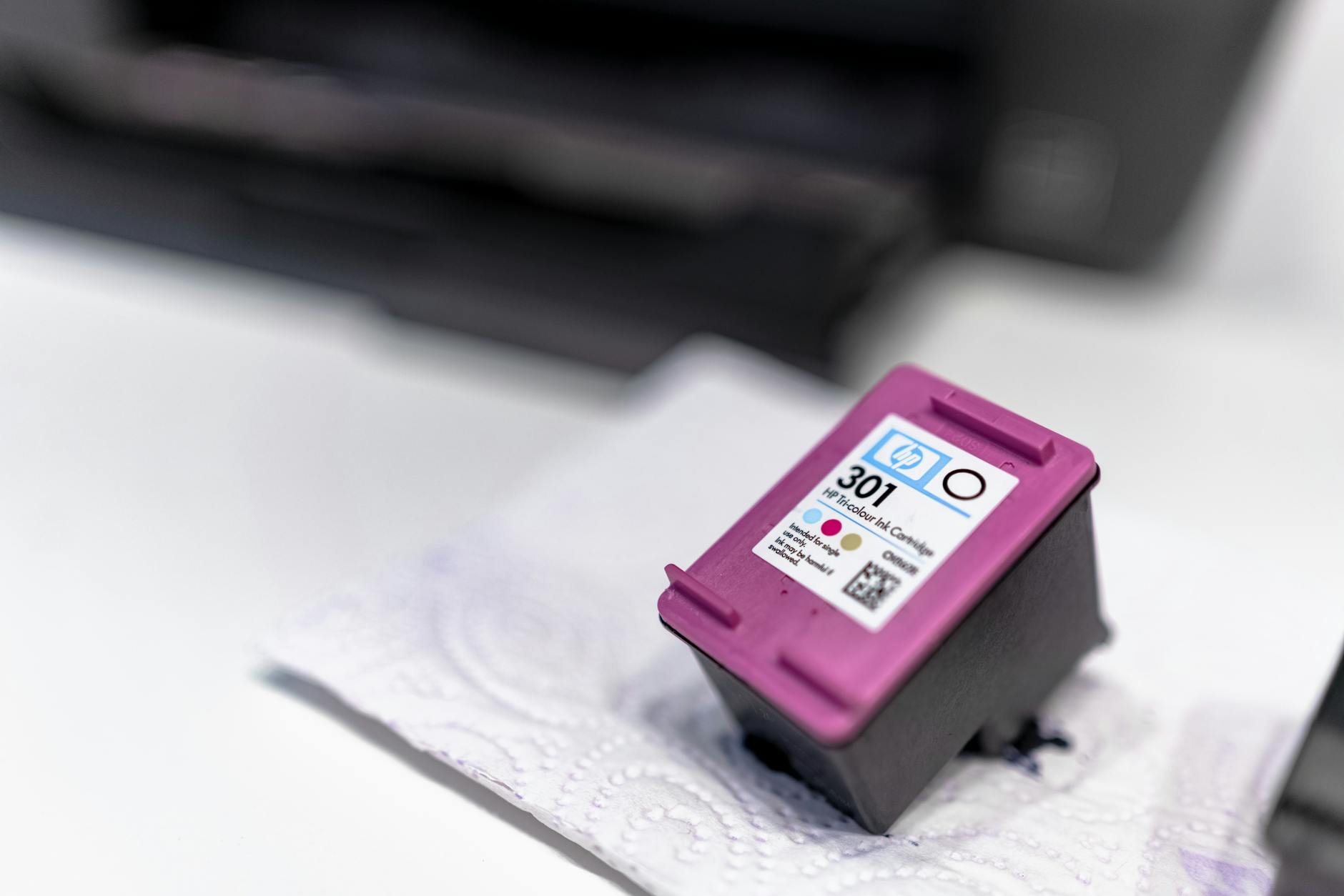
Determining the precise color printing price involves assessing several core components. The process begins with evaluating the page yield, which refers to the number of pages a printer or ink cartridge can produce before requiring replacement. This metric is crucial for estimating the total ink and toner consumption per project. Considering page yield helps in projecting the costs associated with ink or toner usage, especially for high-volume jobs.

Next, material costs must be factored in. These include the expense of the selected media, such as glossy paper, matte finish, or specialty substrates. Standardized materials generally incur lower costs, whereas premium or specialized media, like textured papers or vinyl, often lead to higher overall pricing. The choice of media impacts both the aesthetic and the budget, making it a critical consideration during project planning.
Service charges, encompassing setup fees, printing time, and finishing processes like lamination, binding, or cutting, also influence the total color printing price. These charges are typically variable depending on project complexity and turnaround requirements. For instance, expedited services or large-format prints may command premium rates due to additional labor and resource allocation.
Estimating Total Expenses
To generate an accurate cost estimate, summing the following elements is essential:
- Material costs: Cost per sheet multiplied by the total number of sheets needed.
- Inks or toners: Estimated based on page yield and coverage levels.
- Service charges: Fixed or variable fees for finishing, setup, and delivery.
By carefully calculating these factors, clients can develop a comprehensive budget that reflects the true cost of their color printing projects, ensuring transparency and facilitating better project management.
Utilizing Pricing Tools and Inquiries
Many reputable printing providers, including platforms like s7printing.com, offer detailed online calculators or customer service consultations to assist in estimating costs precisely. Utilizing such tools or consulting directly with experienced representatives allows for tailored price quotes based on specific project parameters, material preferences, and turnaround timelines, ultimately providing a clearer understanding of the color printing price involved.
Understanding the Cost Dynamics of Color Printing in Singapore
Color printing prices are often perceived as variable, influenced by multiple factors that range from the type of project to the choice of materials and service providers. For individuals and businesses aiming to optimize budget and quality, it is crucial to grasp the core elements that contribute to cost variations. Recognizing these factors enables more informed decisions, ensuring that the investment in color printing aligns with project requirements and financial constraints.
Factors That Influence Color Printing Costs
Multiple aspects come into play when determining the final price of color printing services. These are categorized into material-related variables, operational considerations, and project-specific demands:
- Print Volume: The number of copies directly affects unit costs. Larger quantities typically benefit from bulk discounts, reducing the cost per piece.
- Print Size and Format: Larger formats or custom sizes generally incur higher expenses due to increased paper usage and special equipment requirements.
- Material Quality: Premium paper stocks, textured media, or specialty finishes like gloss or matte coatings tend to elevate printing costs.
- Color Complexity: The number of colors used and the intricacy of the design influence ink usage and printing time, impacting overall pricing.
- Finishing and Binding Options: Lamination, die-cutting, UV coatings, and binding methods contribute additional costs, which vary based on complexity and quantity.
- Turnaround Time: Expedited services often command premium charges due to the need for quicker processing and resource allocation.
- Type of Printing Technology: Digital printing typically costs less for short runs, whereas offset printing may be more economical for large-scale productions, despite higher initial setup fees.
Pricing Models and Service Structures
The landscape of color printing services encompasses diverse pricing models tailored to fulfill different client needs:
- Per-Page Pricing: Common in digital printing, this model calculates costs based on the number of pages or units printed, factoring in color coverage and media type.
- Project-Based Quotation: Comprehensive estimates are provided after evaluating the entire scope, including design, materials, finishing, and delivery.
- Bulk Rate Agreements: For large-volume runs, service providers often offer discounted rates to incentivize volume commitments.
- Setup and Finishing Fees: Separate charges may apply for preparation tasks like file setup, proofing, lamination, or cutting.
Estimated Cost Ranges for Singapore Market
In Singapore, the typical range for color printing services varies based on quantity, format, and material complexity. For standard digital color prints, prices usually range from SGD 0.50 to SGD 2.50 per A4 sheet, with discounts increasingly available for larger orders. For bespoke projects involving specialty papers, high-resolution images, or advanced finishes, costs can elevate to SGD 5.00 or more per unit. Comparing service providers within the market, including those like s7printing.com, can reveal a spectrum of pricing strategies aligned with quality and service scope.

Methods to Accurately Assess Your Color Printing Expenses
Accurate cost estimation hinges on a comprehensive evaluation of project specifications and available resources. Clients are encouraged to:
- Utilize Online Pricing Tools: Many printing companies offer calculators capable of providing preliminary quotes based on inputted parameters such as quantity, size, and finish preferences.
- Engage with Customer Service: Direct consultations via email or phone facilitate tailored quotations and clarify hidden charges or additional fees.
- Request Sample Prints: Viewing demonstrations or samples can help assess potential costs related to specific materials or finishes.
Approaching pricing with a detailed understanding of these elements ensures transparency and optimal resource allocation, fostering a smoother project execution process.
Understanding the Commercial Aspects of Color Printing Pricing
Within the realm of professional printing services, the determination of color printing price is a multifaceted process influenced by technical parameters, material specifications, and service execution standards. Recognizing these factors allows clients to make informed decisions, ensuring that the expenditures align with project quality and scope. The lowest costs may not always correspond with the desired outcome, particularly when specialized finishes or premium materials are involved.
Official and Standardized Pricing Approaches in the Industry
Color printing providers adhere to established methodologies for estimating costs, often derived from industry guidelines that specify base pricing units. These include:
- Per-page or per-sheet rates based on print size, resolution, and color complexity.
- Project-specific fees for custom finishes, such as gloss or matte lamination, spot UV coating, or embossing.
- Additional charges for handling specialty media like textured paper, vinyl, or fabric substrates.
- Setup or pre-press charges for complex design adjustments or color calibration.
Most reputable commercial printers, including those operating through platforms such as s7printing.com, publish transparent price lists to help clients anticipate expenses before ordering. These official pricing models promote consistency and fairness across services and enable clients to compare value across different providers effectively.
Standard Pricing Structures and Validation Methods
Color printing cost validation involves meticulous evaluation methods, such as:
- Quote Requests: submitting detailed project specifications to receive precise estimates based on industry-standard calculations.
- Sample Costing: requesting test prints or prototypes to verify projected costs and quality expectations.
- Price Comparison Analyses: assessing quotes from multiple providers on consistent parameters to identify overall value and service quality.
Clients should ensure that quotations specify all potential charges, including setup fees, material surcharges, and finishing costs to avoid unexpected expenses.
Official Methods Supporting Transparent Price Determination
In the quest for legitimate and consistent pricing, service providers utilize standardized digital tools, such as online calculators or configuration systems integrated into their websites. These tools allow users to input parameters like volume, sheet size, color complexity, and finishing options, producing immediate quotations aligned with official pricing standards. Such practices improve transparency, foster trust, and support sound budgeting for both individuals and organizations.

Understanding the Rate Structure for Color Printing
Determining the accurate color printing price requires a comprehensive understanding of the employment of official and transparent pricing methodologies. Service providers typically base their charges on standard industry practices, ensuring clients receive fair and predictable costs for their printing needs. By leveraging such methods, customers can reliably anticipate expenses and make informed decisions about their print projects.

Precise Cost Estimation Tools and Techniques
Many legitimate printers utilize digital estimation tools that incorporate algorithms reflecting current market conditions and material costs. These online calculators or configuration modules are embedded within official websites and permit users to enter specific project parameters such as page count, color complexity, sheet size, and finishing options. The resulting quotation aligns with pre-established pricing standards, thereby fostering transparency and trust.
Furthermore, the practice of requesting sample prints or prototypes supports a thorough validation of expected charges. Clients can assess print quality and verify cost estimates before proceeding with larger orders. This validation process minimizes discrepancies, ensuring that the final invoice matches initial projections based on official calculation methods.
Components Included in Official Pricing
- Setup and preparation fees: Charges related to preparing the equipment and calibration for the specific print job.
- Material surcharges: Variations in costs associated with the type of paper or media used, especially in color printing where different finishes or weights might be involved.
- Color complexity and ink usage: Higher color or complex images typically increase the amount of ink consumed, affecting overall costs.
- Finishing and binding: Additional charges for lamination, cutting, binding, or other post-print enhancements.
Employing Standardized Validation for Price Assurance
To ensure legitimacy, many printing companies use digital tools that conform to standardized pricing configurations. These systems streamline the quotation process, allowing clients to obtain immediate, reliable price estimates tailored to their specific print properties. Such availability of official estimation methods reinforces overall transparency and supports the customer’s budgeting efforts.
Accuracy and Consistency Through Official Methods
By emphasizing official, validated methods like online calculators and sample validation, customers benefit from accurate and consistent pricing. These practices enable clients to compare prices effectively across providers, ensuring they receive equitable value for their investment. It also encourages printing service providers to adhere to transparent pricing policies, enhancing trust and customer satisfaction.
Illustrative Examples of Color Printing Cost Validation
For instance, when requesting a quote for a batch of 500 color flyers, an official digital system will take into account variables like paper quality, color saturation, and delivery deadlines. The client receives an estimate that reflects current market rates, verified through digital validation tools designed to support clear and fair billing practices.
Conclusion
Legitimate methods for determining color printing prices revolve around digital validation tools, sample verification, and transparent breakdowns of all charges. Utilizing these approaches ensures that clients obtain fair and predictable costs aligned with industry standards, fostering long-term trust and clarity in the printing process.