Banner Design And Printing Services In Singapore: A Complete Guide
Introduction to Banner Design and Printing
Banners are a cornerstone of visual marketing, effectively capturing audience attention and conveying key messages in various settings. Whether it is an outdoor advertisement on a busy street or an eye-catching display at a trade show, banners serve as an essential tool for brands aiming to enhance visibility and promote their products or services. The success of a banner campaign significantly depends on the amalgamation of compelling design and high-quality printing, which together create impactful visual communication.
In the realm of banner design and printing, craftsmanship and precision are paramount. A well-designed banner should not only reflect the brand’s identity but also communicate its message succinctly and attractively. The typography, color schemes, imagery, and overall layout must work cohesively to draw viewers' attention and foster engagement.
Quality printing complements the design by ensuring that colors are vibrant, images are sharp, and the material durability withstands the environment in which the banner is displayed. Advanced printing technology allows for the reproduction of intricate details and a broad spectrum of colors, which are crucial for making banners visually striking and professional.
The role of a reputable printing service extends beyond mere production; it involves advising clients on suitable materials, sizes, and finishes that align with their campaign goals and environmental conditions. Efficient banner printing not only enhances visual appeal but also guarantees longevity, minimizing the need for frequent replacements.
Effective banner advertising relies heavily on strategic placement and proper sizing, which are guided by the banner’s design and printing specifications. Thus, the synergy between creative design and top-tier printing technology is fundamental to achieving optimal results in promotional campaigns.
In Singapore, numerous specialists offer comprehensive banner design and printing services, utilizing cutting-edge equipment and skilled craftsmanship to deliver products that meet diverse marketing needs. This ensures businesses can access tailored solutions that maximize visual impact and return on investment.
Overall, mastering the nuances of banner design and printing involves a keen understanding of visual communication principles and proficiency with printing techniques. When executed with attention to detail and quality, banners become powerful tools that elevate brand presence and foster customer engagement.

Official Banner Design and Printing Methods
Implementing effective banner design and printing requires adherence to standardized, trusted techniques that ensure high-quality results. The process begins with meticulous design creation, where layouts are crafted using professional graphic design tools to meet specific branding and promotional objectives. These designs incorporate a strategic combination of color schemes, typography, and imagery aligned with the target audience and campaign goals.
Once the design reaches approval, printing is carried out through proven methods that guarantee vivid color reproduction, durability, and sharp details. Among the most reputable printing techniques are digital printing and large-format solvent or eco-solvent printing, which are renowned for their ability to produce vibrant, long-lasting banners suitable for both indoor and outdoor environments. These methods support a wide range of materials, including PVC, fabric, and vinyl, providing flexibility based on the specific needs of the campaign.
Standardized Printing Technologies
- UV Printing: Offers highly durable, weather-resistant banners with vivid color retention, ideal for outdoor advertising.
- Solvent/Eco-solvent Printing: Provides excellent image quality and is suitable for large-scale banners with extended outdoor usage.
- Digital Printing: Enables quick turnaround times and cost-effective production for small to medium-sized runs, maintaining high resolution and color accuracy.
Following printing, quality assurance measures are critical. Inspection of color consistency, image sharpness, and banner integrity is vital before the banners are dispatched. Many professional printing services utilize calibration tools and color management systems, ensuring that every banner meets industry standards and client expectations. This detailed approach minimizes reprints and enhances the overall effectiveness of the promotional display.
Choosing the Appropriate Materials
The selection of quality materials significantly influences the durability and visual impact of banners. Commonly used materials include:
- Polyvinyl Chloride (PVC): Known for its durability and weather resistance, suitable for outdoor banners.
- Fabric: Offers a premium look and feel, ideal for indoor displays or events requiring a sophisticated appearance.
- Vinyl Mesh: Permits wind passage, making it a perfect choice for large outdoor banners exposed to wind.
Professional printers work closely with clients to determine the most suitable materials based on environmental conditions, display duration, and budget considerations, ensuring a seamless blend of quality and value.
Establishing Official Methods for Banner Design and Printing
Implementing authoritative procedures in banner design and printing begins with adherence to industry-standard design principles. These principles promote clarity, visual impact, and effective communication of the intended message. Professionals utilize established typography guidelines, ensuring font choices enhance readability and align with brand identity. Optimal use of color contrast, hierarchy, and spacing guides viewers' attention toward key information, making the banner more compelling and effective.

Selection of official, high-resolution software such as Adobe Creative Suite or CorelDRAW ensures precision in the design process. These tools facilitate the creation of vector graphics, enabling banners to be scaled without loss of quality, which is critical for large-format printing. Furthermore, utilizing templates provided by reputable industry organizations helps maintain consistency and professionalism throughout the design development phase.
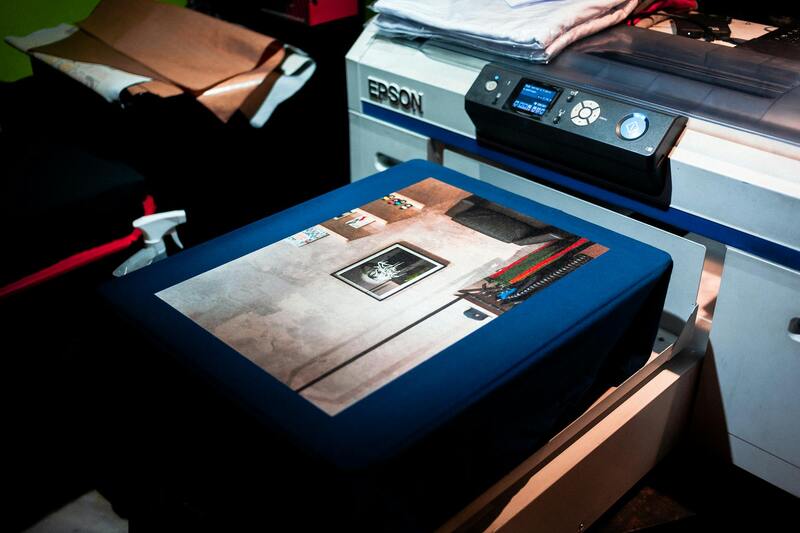
Beyond design, valid printing methods rely on certified equipment that complies with industry standards for color accuracy, resolution, and material compatibility. Large-format digital printers equipped with advanced inkjet technology are commonly used for banner printing. These devices support high-resolution output, precise color matching, and rapid production times—hallmarks of professional banner printing services.
To uphold quality, each banner undergoes rigorous inspection prior to dissemination. Calibration of printers, color management workflows, and consistency checks are part of standard operating procedures. Inspection includes verifying color fidelity, assessing image sharpness, and verifying banner integrity—such as edge finishing and material adherence—thus confirming compliance with established quality benchmarks.
Utilizing Certified Materials for Banner Production
Official banner production employs certified materials that align with predetermined quality standards. Common materials include PVC vinyl, fabric, and vinyl mesh, each selected based on environmental exposure and display duration. These materials are sourced from approved suppliers that meet industry specifications, ensuring durability, weather resistance, and visual fidelity.
- PVC Vinyl: Recognized for its weather resistance and durability, ideal for outdoor banners exposed to various climatic conditions.
- Fabric: Chosen for indoor applications, offering a premium aesthetic with vibrant color reproduction and a sleek finish.
- Vinyl Mesh: Optimized for large-scale outdoor banners, allowing wind passage to reduce strain and prolong banner lifespan.
Professional printing providers collaboratively select materials based on specific project requirements, environmental factors, and client budgets. This collaborative approach underscores their commitment to delivering banners that are both visually striking and resilient in diverse conditions.
Maintaining Ethical and Transparent Practices in Banner Printing
Adherence to official protocols extends beyond design and material selection to encompass transparent communication regarding production processes. Reputable providers clearly outline turnaround times, pricing structures, and material specifications upfront, ensuring clients are well-informed. They also maintain comprehensive records of material sourcing, printing parameters, and inspection results, fostering trust and accountability in every project.
Such practices include routine calibration of printing machines, meticulous record-keeping, and adherence to safety measures that prevent defects and ensure consistent output. Employing certified, eco-friendly inks and environmentally responsible waste management policies further demonstrate a commitment to sustainability and regulatory compliance, consolidating the integrity of the banner design and printing process.
Official Methods for Banner Design and Printing
Executing an effective banner begins with selecting proven, reputable methodologies that prioritize precision, durability, and visual impact. Leveraging state-of-the-art digital printing technologies ensures vibrant color reproduction and sharp graphics, meeting high standards of clarity and consistency. Commercial-grade printers equipped with eco-friendly, certified inks are essential for creating banners that not only look exceptional but also adhere to environmental regulations. In the design phase, official templates aligned with best practices facilitate optimal layout and message hierarchy. Understanding material specifications, such as weight and texture, is critical to ensure the banner withstands environmental influences, especially for outdoor displays. Reputable printing providers often collaborate with clients on material selection, taking into account local weather conditions like humidity, wind, and sun exposure, to choose the most suitable options. Quality assurance processes play a pivotal role in the production cycle. Routine calibration of printing machines guarantees color accuracy and resolution. Maintaining comprehensive documentation of materials used, production parameters, and inspection results fosters transparency and accountability, enabling the production of high-quality banners that meet established standards.

Material Verification and Certification
Confirmation of substrate compliance through official documentation assures clients of material integrity and suitability for their specific deployment environment. Certified materials, such as PVC, vinyl, or fabric, sourced from recognized suppliers, are tested for weather resistance, tensile strength, and colorfastness. This documentation often includes safety and environmentally friendly content, reflecting adherence to industry standards. These certifications also include clear specifications for ink compatibility, UV resistance, and adhesion qualities, ensuring longevity and vibrant visual appeal over time. Reputable service providers routinely verify their material sources and maintain records that demonstrate compliance with relevant standards, fostering trust and reliability in the printing process.

Transparency and Ethical Practices
Transparency in communication encompasses upfront disclosures about printing techniques, material sourcing, and turnaround timelines, bolstering client confidence. Detailed quotations specify costs associated with each element of the project, leaving no room for ambiguity. Clear guidelines on the scope of work, including revisions and approval stages, streamline the production process. Reputable providers maintain records of all transactions and decisions, facilitating accountability and quality control. Environmental responsibility is also integral, with many adopting sustainable practices such as using eco-friendly inks and responsible waste disposal methods. These efforts not only comply with environmental policies but also demonstrate a commitment to ethical business standards.

Choosing the Right Banner Size and Shape
When selecting the ideal banner dimensions, it is essential to evaluate the intended location, viewing distance, and purpose of the display. Larger banners tend to attract attention from afar, making them suitable for outdoor advertising or event backdrops, whereas smaller banners are ideal for indoor use or close-up viewing contexts. Common shapes include rectangular and square formats, with custom shapes available to align with brand logos or thematic considerations. The dimensions should also account for legibility, ensuring that text and visuals are easily readable regardless of distance.
For outdoor environments, banners measuring 3 feet by 6 feet or larger are typically recommended, providing ample space for impactful visuals and concise messaging. Indoor banners may range from 2 feet by 4 feet to larger sizes, depending on the display area. Employing a consistent aspect ratio preserves visual harmony and facilitates seamless installation. Custom shapes, such as circular or die-cut designs, offer opportunities for creative expression but require precise fabrication for durability and visual clarity.
Printing Technologies and Quality Standards
In the realm of banner printing, advanced printing technologies like UV, solvent, and eco-solvent printing are prevalent, each offering distinct benefits in terms of color vibrancy, durability, and environmental impact. UV printing employs ultraviolet light to cure inks instantly, producing sharp images with excellent resistance to fading and weathering. Solvent and eco-solvent printers utilize solvent-based inks that adhere well to diverse materials, offering water resistance and longevity, especially for outdoor banners.
High-quality printing requires adherence to stringent standards that ensure color accuracy, resolution, and material compatibility. Reputable providers utilize digital printing techniques that facilitate vibrant color reproduction and fine detail capture, crucial for impactful advertising. Moreover, quality assurance procedures, including color calibration and resolution checks, are integral to maintaining consistent output. The use of UV-resistant inks and durable substrates further extends the lifespan of banners, allowing them to withstand the demands of outdoor exposure without significant deterioration.

Factors to Consider When Selecting a Printing Service
- Experience and Portfolio: Review the provider’s previous projects to assess quality and versatility across different banner styles and materials.
- Material and Ink Options: Confirm that the printing service offers suitable materials and inks that meet environmental and durability requirements.
- Turnaround Time: Ensure the provider can meet your deadlines while maintaining high production standards.
- Customer Support and Consultation: Opt for providers that offer guidance on design and material choices to maximize your banner’s effectiveness.
- Pricing Transparency: Choose services with clear quotations that outline all costs involved, avoiding hidden charges.
- Sustainable Practices: Preference for providers committed to eco-friendly processes, such as using biodegradable inks and recycling waste materials.
- Post-Printing Services: Availability of installation assistance, maintenance advice, and storage options adds value to the service.
Engaging with a reputable banner printing company that adheres to high standards ensures your promotional materials will deliver optimal visibility, durability, and aesthetic appeal. Proper guidance and quality assurance throughout the process contribute significantly to the success of your advertising campaign.
Ensuring Banner Quality Through Established Printing Methods
Choosing an effective banner design and printing solution in Singapore necessitates understanding the various printing techniques that guarantee vibrant visuals, durability, and precision. The most reputable printing services employ advanced technologies such as digital, UV, and offset printing, each suited for different types of banner projects. Digital printing is renowned for its high-resolution output and rapid turnaround, making it ideal for custom, short-run banners with rich imagery. UV printing involves applying ultraviolet light to cure inks instantly, resulting in highly durable banners resistant to weathering and fading, which is especially beneficial for outdoor displays.
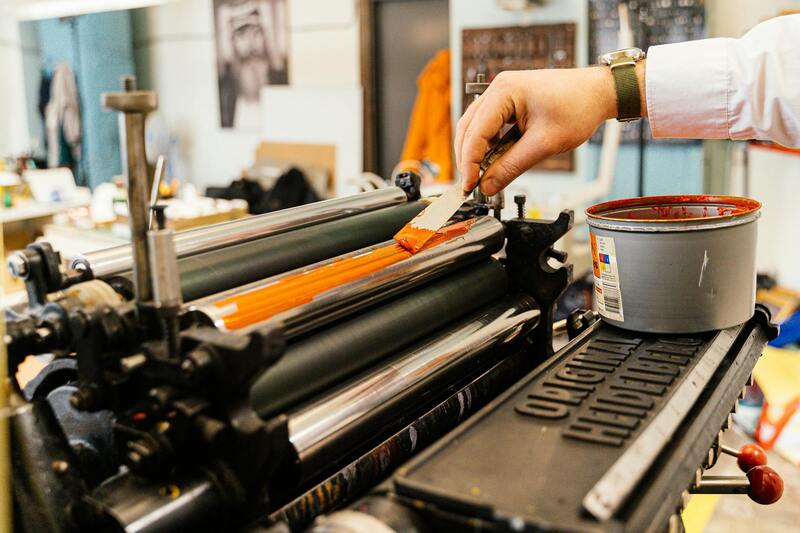
Offset printing, although traditionally used for large volume productions, provides exceptional color consistency and sharpness, valuable for corporate branding banners that demand exact color matches and fine detail. For smaller batches or personalized banners, digital printing remains the preferred choice due to its flexibility and fast execution. Regardless of the technique, maintaining print resolution at 300 DPI or higher ensures crisp images and readable text, which are critical for advertising effectiveness.
Standards and Quality Assurance in Banner Printing
When selecting a service provider, verify their adherence to industry standards that promote high-quality output. Proper calibration of printers and regular maintenance are essential to achieving consistent color accuracy and sharpness. Additionally, reputable printers utilize high-grade inks that resist environmental factors like UV rays, moisture, and temperature fluctuations, thus prolonging the lifespan of your banners.

Digital and UV printing also incorporate high-resolution imaging, typically exceeding 1200 DPI, which guarantees detailed visuals and vibrant colors without pixelation. This level of quality is particularly essential for intricate logos and detailed imagery that require clarity in large formats. When selecting a printing partner, request samples or a proof before the final run to assess the output quality firsthand. Certifications and adherence to environmental standards further reflect a company's commitment to quality and responsible practices.
Maintenance Tips for Extending Banner Life
Proper maintenance can significantly extend a banner's lifespan, especially for outdoor applications exposed to harsh weather conditions. Regular cleaning using mild soap and water prevents dirt buildup that can degrade print quality and material integrity. Avoid abrasive scrubbing to prevent surface damage, which can lead to premature fading or tearing.
- Store banners rolled on a tube in a cool, dry place when not in use to prevent creases and deformation.
- Apply protective coatings or lamination if not already included in the print to enhance resistance against UV rays, scratches, and moisture.
- Inspect banners periodically for signs of wear and repair any tears or loose edges promptly to prevent further damage.
- When displaying banners outdoors, secure them tightly and avoid prolonged direct sunlight exposure to minimize fading.
By choosing a professional printing service equipped with advanced technologies and adhering to proper maintenance practices, clients can ensure their banners remain visually impactful and function effectively over time. High-quality banner design and printing are investments that yield long-term visibility and brand recognition, highlighting the importance of partnering with reputable providers committed to excellence.
Advanced Techniques in Banner Design and Printing
To ensure banners function effectively across various settings, employing advanced design and printing techniques becomes crucial. Modern digital printing technology, such as UV and latex printing, allows for vibrant, crisp, and durable images that withstand the rigors of outdoor exposure. These methods utilize environmentally friendly inks instead of solvent-based ones, which are safer for both the environment and the end users. High-resolution output ensures that intricate details are preserved, aligning with brand standards and visual clarity requirements.
Employing variable data printing enables businesses to customize banners for target-specific campaigns, facilitating personalized messages or branding. This approach enhances engagement by delivering relevant content to different audience segments within a single print run. Moreover, the use of lamination and protective coatings adds an extra layer of durability. Matte, gloss, or satin finishes can be chosen based on the desired aesthetic and environmental exposure, providing resistance against UV rays, scratches, and moisture.
Ensuring Color Consistency and Accuracy
Color management is a fundamental aspect of professional banner printing. Implementing color calibration across devices guarantees that the colors seen on digital screens match the printed output, maintaining brand consistency. Pantone matching systems and ICC profiles are often employed to achieve this, especially for corporate branding purposes where color precision is paramount. Regular quality checks during the printing process serve as an additional safeguard for delivering consistently accurate results.
Importance of Finishing Processes
Final finishing touches significantly influence a banner’s aesthetic appeal and practicality. Techniques such as hemming, eyeleting, or reinforcing edges prevent fraying and enhance structural integrity, especially for banners subjected to frequent handling or outdoor elements. Grommets enable easy installation on various surfaces, while pole pockets facilitate mounting on stands or poles, offering versatile display options.
Durability Testing and Certifications
High-quality banners undergo rigorous durability testing to verify performance metrics, such as color fade resistance, tear strength, and weather durability. Certifications indicating compliance with environmental and safety standards demonstrate adherence to industry benchmarks and responsible practices. These certifications, often obtained through third-party testing agencies, ensure that banners can reliably serve their intended purpose over an extended period.
Effective Banner Layout and Visual Hierarchy
An effective banner design leverages layout principles such as balance, contrast, and focal points to guide viewers’ attention seamlessly. Using bold headlines, compelling imagery, and concise messaging maximizes impact while minimizing clutter. Proper alignment and spacing enhance readability, ensuring viewers can easily absorb key information at a glance. Incorporating brand elements consistently across designs reinforces recognition and trust.
Overall, staying abreast of the latest printing technologies and adhering to best practices in design, finishing, and quality assurance are essential for producing banners that fulfill marketing objectives and withstand environmental challenges. Partnering with experienced printing providers equipped with modern machinery and expertise guarantees the delivery of banners that are not only visually appealing but also durable and cost-effective over time.
Effective Methods for Banner Design and Printing in Singapore
When it comes to banner design and printing, adhering to proven strategies is crucial for producing impactful, durable, and visually appealing banners that effectively communicate your message. In Singapore, a highly competitive market, employing official and legitimate techniques ensures your banners stand out and deliver sustained performance across various environments.
Utilizing Certified Design Software and Tools
To craft professional banner designs, leverage industry-standard, authorized design software that complies with licensing agreements. Programs like Adobe Illustrator, Photoshop, or CorelDRAW provide robust features for creating high-resolution graphics and layouts. These tools facilitate precise control over typography, imagery, and color schemes, ensuring your banners meet the highest quality standards.

Following Design and Content Guidelines
Effective banners communicate messages efficiently; therefore, utilize text that is clear, concise, and impactful. Maintain a balanced visual hierarchy with bold headlines, strategic imagery, and minimal clutter to capture attention swiftly. Ensuring the content aligns with your branding guidelines and includes consistent use of logos, colors, and fonts reinforces brand recognition.
Employing Professional Printing Techniques
Partner with reputable printing services that employ certified printing technologies, such as large-format digital printers that adhere to industry standards. These services ensure color accuracy, sharp image reproduction, and uniform ink application. Advanced printing methods like UV and eco-solvent printing not only enhance color vibrancy but also improve durability and weather resistance.
Verification Through Quality Assurance and Certification
Legitimate printing companies often obtain quality assurance certifications, such as ISO or environmentally compliant standards. These accreditations involve rigorous testing of materials for color fade resistance, tear strength, and weather durability. Trustworthy providers display these certifications to assure clients of their commitment to delivering banners that withstand Singapore’s diverse environmental conditions.
Official and Reliable Methods for Banner Production
- Proper File Preparation: Always prepare print-ready files according to the specifications provided by the printing company, including correct file formats, resolution (minimum 150 dpi), and color settings (CMYK).
- Selecting Quality Materials: Use authorized raw materials such as vinyl, polyester fabrics, or PVC surfaces that meet industry standards for durability and weather resistance.
- Adopting Certified Printing Techniques: Ensure the printing service employs licensed equipment that adheres to environmental and safety standards, guaranteeing consistent results and long-term performance.
- Conducting Pre-Print Proofing: Request official proofs for approval before the full print run, verifying color accuracy and layout adherence.
- Implementing Proper Finishing Processes: Use professional cutting, hemming, and grommeting to bolster the banner’s structural integrity and ease of installation.
Respecting Regulations and Standard Guidelines
Compliance with local signage regulations and standard guidelines ensures your banners meet official requirements, avoiding potential penalties or deletions. This involves adhering to size limitations, visibility standards, and placement rules set forth by relevant authorities to maintain safety, clarity, and aesthetic harmony within public spaces.