Name Card Singapore: Guide To Printing, Types, And Design
Importance of Name Cards in Singapore Business Culture
In Singapore’s dynamic and highly interconnected professional environment, the exchange of name cards remains a fundamental element of effective networking. These tangible representations of individual and corporate identity serve not only as contact details but also as conveyances of professionalism, credibility, and brand image. Given Singapore’s reputation as a global business hub, high standards are exemplary in ensuring that each exchange leaves a lasting impression.

Offering a well-designed and physically impressive name card facilitates smoother introductions during meetings, conferences, and industry events. It encapsulates essential information such as the individual’s name, position, company, and contact details but also communicates the brand’s ethos through design elements and finishes. In a market comparable to Singapore’s, where business relationships often hinge on first impressions, the importance of such details cannot be overstated.
Business cards in Singapore are also a reflection of respect and courtesy. The process of exchanging cards — with the use of both hands, a slight bow, and proper presentation — underscores seriousness and professionalism. Furthermore, in an era dominated by digital communication, the tangible nature of a high-quality name card provides an enduring physical reminder that can be stored and revisited at any time, making it an essential component of personal branding and business development.
Organizations and individuals who prioritize the quality and presentation of their name cards often enjoy enhanced credibility and recognition within their respective industries. This is particularly significant in Singapore, where a competitive market environment encourages companies to differentiate themselves through meticulous branding efforts, including customized name cards crafted with premium materials and finishes.
Research indicates that recipients of meticulously designed name cards tend to perceive the sender as more professional, reliable, and serious about their business relationships. These perceptions influence subsequent interactions, negotiations, and long-term collaborations. As such, investing in the appropriate design, material, and printing quality of name cards is not merely a courtesy but a strategic business move in Singapore’s vibrant economic landscape.
Beyond individual professionalism, name cards also serve as minor yet impactful marketing tools. They can include QR codes leading to digital portfolios or social media profiles, providing a seamless transition between physical and digital branding strategies. For companies, offering consistent branding across physical name cards and digital platforms reinforces their market presence and builds trust among clients and partners.
In conclusion, the status of name cards as a vital business tool in Singapore stems from their multifaceted role: fostering initial rapport, demonstrating professionalism, solidifying brand identity, and serving as a tangible link within a broader marketing ecosystem. Their significance is underscored by the emphasis placed on quality, presentation, and cultural etiquette, making them an indispensable part of Singapore’s corporate networking landscape.
Materials and Finishes for Name Cards in Singapore
Choosing the right materials and finishes is essential to creating a memorable name card that effectively represents a company's brand identity. In Singapore, a diverse range of premium options are available, allowing businesses to tailor their cards to specific industries, target audiences, and personal preferences.
Card materials often include:
- Standard Paper: Suitable for everyday use with economical pricing, typically 300-350 gsm for durability.
- Textured Papers: Such as linen or felt finishes, adding tactile appeal and sophistication.
- Plastic or PVC: Durable, with a sleek appearance perfect for everyday business interactions.
- Specialty Materials: Including kraft paper for eco-conscious branding or transparent PET for modern aesthetics.
Finishing touches significantly enhance the visual impact and tactile experience. Popular options include:
- Embossing and Debossing: Adds a three-dimensional feel to logos or text, providing a luxurious touch.
- Spot UV Coating: Creates a shiny, textured contrast on specific areas, highlighting brand elements.
- Foil Stamping: Uses metallic or holographic foils to imbue the card with shimmer, ideal for premium branding.
- Matte or Gloss Lamination: Protects the card's surface and enhances durability while offering different visual effects.
- Specialty Finishes: Including soft-touch coatings or velvet lamination for a unique sensory experience.
When selecting materials and finishes, it is crucial to consider the intended impression. Business sectors such as luxury retail, finance, or legal services often lean towards embossed foil or matte finishes to communicate professionalism and exclusivity. Conversely, tech startups may prefer transparent PVC cards with holographic elements for a modern, innovative look.
Ensuring high-quality printing processes for these materials is essential to achieve the desired visual clarity and durability. Techniques like offset printing, digital printing, and UV printing are commonly employed, each suited to different types of materials and finishes. The choice of process influences turnaround times and costs, which should be carefully managed during the ordering phase.
Ultimately, selecting the right combination of material and finish enhances the tactile and visual appeal, bolsters brand recognition, and fosters stronger professional relationships. This meticulous attention to detail can position a business as credible, sophisticated, and memorable in Singapore’s competitive market landscape.
Materials and Finishes for Name Cards
In Singapore, the selection of materials and finishes significantly impacts the effectiveness and sophistication of a name card. High-quality paper stocks such as thick matte or gloss papers provide a sturdy base, ensuring durability and a premium feel that resonates with recipients. For added visual appeal, textured finishes like linen or laid paper introduce tactile richness, making the card memorable upon touch. Specialty materials such as pearl paper or metallic substrates can create an elegant shimmer, which is especially suitable for industries that value a luxurious presentation.
Incorporating specialty finishes further elevates the card's aesthetic. Matte lamination offers a smooth, non-reflective surface that enhances readability and imparts a refined look. Conversely, gloss lamination enhances vibrant colors and sharp details, ensuring that logos and images stand out vibrantly. Texture finishes like soft-touch coatings or velvet lamination provide a unique sensory experience, reinforcing the tactile quality of the card. Gold or silver foil stamping introduces metallic accents that draw attention and evoke a sense of exclusivity, ideal for high-end branding.
Beyond traditional options, glow-in-the-dark or holographic finishes are gaining popularity among innovative startups and creative professionals seeking to leave a distinctive impression. These specialty material choices should align with the company's branding strategy and target audience, ensuring a cohesive and impactful presentation.

To maximize the visual appeal and functionality of name cards, the printing process must match the selected materials and finishes. Techniques such as UV printing or digital printing are well-suited for detailed designs on textured or specialty papers, ensuring clarity and vibrancy. Offset printing, with its high precision, supports complex color schemes and fine details, making it ideal for premium finishes like foil accents. Choosing appropriate finishing techniques depends on the intended usage, budget, and desired impression. For instance, embossed foil stamping combined with matte lamination exudes sophistication, suitable for legal or financial sectors. Alternatively, holographic effects paired with UV coating may appeal to creative industries aiming for a modern, innovative look. Ultimately, the careful integration of material quality and finishing techniques enhances not only the aesthetic appeal but also the prestige associated with a business card. When executed with precision, such details leave a lasting impression, strengthening professional relationships and elevating brand recognition within Singapore's competitive market environment.
Materials and Finishes for Name Cards in Singapore
Choosing the appropriate materials and finishes for name cards enhances their durability and visual impact, which is vital in Singapore’s competitive business landscape. Standard options include durable cardstock, soft-touch matte finishes, and glossy coatings that give cards a polished look. More premium materials such as textured linen, velvet, or recycled eco-friendly papers are also preferred by companies aiming to showcase sustainability alongside sophistication.
Finishing techniques are tailored to create distinctive impressions. Matte lamination offers a smooth, non-reflective surface that exudes understated elegance, ideal for sectors like finance or consulting. Conversely, high-gloss finishes deliver vibrant color reproduction, perfect for creative industries. Embossing and debossing add tactile dimension by raising or indenting elements like logos or names, heightening sensory engagement.

Specialty finishes such as foiling—gold, silver, or colored—bring a metallic sheen to key design elements, elevating the perceived value of the card. UV coating provides a durable, high-gloss protection that resists scratches and stains. Holographic effects are increasingly popular for companies seeking a modern, innovative edge, while spot varnish highlights specific design features for added contrast.
When selecting materials and finishes, it’s essential to consider the nature of your business and the impression you wish to convey. For instance, law firms may prefer classic matte or textured finishes to communicate professionalism, while tech startups might opt for holographic or glossy effects to emphasize innovation. Properly coordinated material choices with your branding strategy ensure that your name card resonates with your target audience and withstands everyday handling without losing its aesthetic appeal.
Importance of Name Cards in Singapore Business Culture
In Singapore’s vibrant and competitive business environment, name cards serve as a fundamental tool for establishing professional relationships and making memorable first impressions. They are not merely contact details; they embody the brand identity and values of a business. A well-designed name card can facilitate network expansion, reinforce brand recognition, and demonstrate professionalism. Given Singapore’s multicultural landscape, it’s essential for name cards to reflect cultural sensitivity and suit local preferences, ensuring the message resonates effectively with diverse audiences. The strategic use of name cards also aligns with business etiquette, emphasizing respect, preparedness, and a commitment to fostering credible connections. As part of effective branding, name cards should complement your overall corporate image, contributing to a consistent and professional appearance across all touchpoints.

Types of Name Cards Available in Singapore
The Singapore market offers a wide array of name card options tailored to different industries, branding goals, and personal preferences. Standard business cards remain the most common, typically featuring essential contact details with simple yet elegant designs. For professionals seeking to stand out, specialty cards such as embossed or foil-stamped cards add tactile and visual appeal, often used by luxury brands, law firms, or consultancies.
Creative industries or startups might prefer eco-friendly or uniquely shaped cards to showcase innovation and sustainability. Digital or NFC-enabled cards are increasingly popular among tech-savvy professionals who prioritize convenience and modern branding. Die-cut cards with custom shapes allow for distinctive presentations, while magnetic or transparent PVC cards provide durability and a modern touch. Each type serves specific branding purposes and customer engagement strategies in Singapore’s diverse business landscape.
Materials and Finishes for Name Cards
The choice of materials and finishes significantly influences the tactile and visual impact of a name card. High-quality paper stocks such as 300gsm matte, gloss, or textured finishes create a sophisticated feel, suitable for formal industries like finance and law. For businesses aiming for a modern look, premium plastics like PVC provide durability and a sleek appearance. Specialty materials, including kraft paper or recycled stock, cater to environmentally conscious brands.
Finishes like matte lamination offer a smooth, non-reflective surface that exudes understated elegance, while high-gloss finishes emphasize vibrant colors and sharp details. Embossing and debossing techniques add tactile dimensions to logos or key elements, enhancing sensory engagement. Foil stamping introduces metallic accents in gold, silver, or custom colors to elevate perceived value. UV coatings protect the card surface and add a shiny effect, ensuring longevity and resistance to scratches. For a cutting-edge look, holographic or spot varnish finishes are gaining popularity among innovative enterprises.

Importance of Name Cards in Singapore Business Culture
In the vibrant and competitive landscape of Singapore's business environment, a professionally crafted name card serves as more than just a contact detail. It acts as a tangible reflection of a company's brand identity, values, and professionalism. A well-designed name card can leave a lasting impression, facilitate networking opportunities, and establish credibility among prospective clients and partners. Given Singapore's multicultural community and emphasis on business etiquette, presenting a high-quality name card can significantly influence initial impressions and foster trust. It also plays a vital role in formal and informal business interactions, often being exchanged during meetings, conferences, and networking events. The precision and attention to detail in a name card mirror a company's dedication to quality and excellence, making it an indispensable tool in Singapore's business culture.
Types of Name Cards Available in Singapore
Singapore offers an extensive array of name card types tailored to various industries, branding strategies, and personal preferences. These include standard business cards, which are the most common, typically measuring 90mm x 55mm or 85mm x 55mm, depending on regional standards. For businesses seeking to stand out, options such as embossed or textured cards add a tactile dimension that enhances sophistication. For innovative branding, specialty cards like magnetic name cards or transparent PVC designs are popular choices due to their durability and modern appeal. Moreover, luxury options such as foil-stamped cards with metallic accents contribute to a premium image. The availability of customized shapes and die cuts allows businesses to create distinctive cards that align with their brand identity, whether it's a sleek rectangular design or a uniquely shaped card that reflects their industry standards.
Materials and Finishes for Name Cards
The selection of materials and finishing techniques greatly influences the overall aesthetic and functional quality of name cards in Singapore. High-quality paper stocks, such as 300gsm matte, gloss, or textured finishes, are favored for their durability and elegant appearance, especially in sectors like finance, legal, and consulting. For a more contemporary look, plastics such as PVC provide slim profiles, water resistance, and a glossy, modern finish. Specialty materials like kraft paper or recycled stocks are favored by environmentally conscious brands, showcasing their commitment to sustainability. Finishes such as matte lamination offer a smooth, non-reflective surface that conveys understated professionalism, whereas high-gloss coatings highlight vibrant colors and sharp images. Embossing and debossing techniques add tactile details to logos or key features, enhancing sensory engagement. Foil stamping, available in gold, silver, or custom metallic hues, elevates perceived value, making cards ideal for premium branding. UV coating provides an additional protective layer and enhances shine, extending the lifespan of the card and resistance to scratches. For brands aiming for avant-garde presentation, holographic finishes or spot varnish accents are increasingly popular, providing a futuristic edge.

Design Considerations for Effective Name Cards
Designing an effective name card requires a combination of aesthetic appeal and functional clarity. The layout should be clean, with balanced proportions to ensure all vital information is easily readable. Utilizing the company logo and brand colors consistently reinforces brand recognition. Important details such as the individual’s name, title, contact number, email, and address should be prominently positioned. Avoid clutter by limiting the content to essentials, allowing whitespace to enhance readability and elegance. The choice of typography should reflect the brand personality—professional fonts like Helvetica, Futura, or serif options for formal industries. Incorporating elements like QR codes can facilitate quick access to digital profiles or websites, aligning with the tech-savvy nature of Singapore's business scene. Additionally, considering the size and thickness of the card is crucial; thicker cards convey quality, while unconventional shapes or die cuts can help a business stand out when executed tastefully.
Printing Processes and Turnaround Times in Singapore
Singapore boasts advanced printing facilities capable of accommodating a wide range of name card printing processes, from traditional offset to modern digital methods. Digital printing is popular for its quick turnaround times, often producing cards within 24 to 48 hours, making it ideal for urgent requirements or small batches. Offset printing, though slightly longer, results in higher quality and is suitable for bulk orders or designs requiring precise color matching. Specialty finishes such as foil stamping, spot UV, embossing, and holographic effects typically require additional processing time, often between 3 to 7 days, depending on complexity. Leading local print shops employ state-of-the-art technology to ensure color accuracy, sharp details, and consistent quality. For enterprises with tight deadlines, many print providers offer expedited services, prioritizing urgent orders without compromising quality. It is advisable to confirm the turnaround times and order deadlines upfront to facilitate smooth planning and ensure timely delivery of impression-worthy name cards.
Importance of Name Cards in Singapore Business Culture
In Singapore’s dynamic and competitive business environment, a well-designed name card serves as a crucial tool for establishing credibility and fostering professional relationships. Name cards function not only as a quick reference for contact information but also as a reflection of a company's brand identity. The act of exchanging name cards during meetings or networking events demonstrates professionalism, respect, and commitment to establishing meaningful connections.
Effective name cards convey core brand values through thoughtful design elements, including logos, color schemes, and typography, which help recipients recall the business quickly. Moreover, in a multicultural city like Singapore, incorporating subtle cultural nuances and linguistic considerations can enhance communication effectiveness, showing sensitivity and inclusiveness. Hence, investing in high-quality, strategically crafted name cards is a vital component of business etiquette and branding in Singapore's corporate landscape.

Legal and Regulatory Framework for Name Card Printing in Singapore
When producing name cards in Singapore, businesses must adhere to established standards for print quality and authenticity. These standards ensure that printed materials meet the necessary specifications for clarity, durability, and colour accuracy, which uphold the professionalism of the branding. Reputable printing providers operate within these guidelines, utilizing certified materials and processes to guarantee consistent results.
While there are no explicit restrictions on the content or design of name cards, it is advisable to ensure that all information presented is accurate and complies with typical business communication practices. This includes prominently displaying corporate registration details, contact information, and relevant certifications when applicable. Working with accredited printing vendors who follow industry best practices ensures that the final product aligns with Singapore’s business standards and enhances the credibility of your brand.
Banking and Commercial Regulations Impacting Name Card Use
In Singapore, businesses must observe specific requirements concerning branding and correspondence documentation. Name cards should clearly display official company names, registered addresses, and authorized representatives to foster transparency and trust. For sectors with stringent regulatory oversight, such as finance or healthcare, additional disclosures or certifications may be mandated on business cards to comply with operational guidelines.
Moreover, the design and distribution of name cards must align with regulations that prevent misleading advertising or infringement of trademarks. Using licensed content and authentic branding materials not only enhances reputation but also helps prevent disputes or misunderstandings related to intellectual property rights.
Official Methods of Producing Name Cards Legally in Singapore
To ensure that name cards are produced through legitimate channels, businesses should engage with accredited local printers who comply with Singapore’s regulatory standards. These professionals utilize advanced printing technology and authentic materials, guaranteeing high-quality output. It is recommended to verify the credentials and reputation of printing vendors, ensuring they have the necessary certifications and industry experience.
Furthermore, it is beneficial to obtain clear documentation of the order, including specifications, proofs, and delivery timelines, to facilitate smooth transactions. Choosing licensed printing establishments also provides assurance that the final products meet industry standards and aligns with corporate branding strategies effectively.
Ensuring Authenticity and Quality in Name Card Creation
To maintain professionalism and uphold brand integrity, it is essential for Singaporean businesses to opt for established, certified printing providers when producing name cards. Engaging with reputable local printers who operate under Singapore's regulatory standards ensures that the produced name cards adhere to industry quality benchmarks and licensing requirements. These providers typically utilize advanced printing machinery, authentic materials, and meticulous quality control processes to deliver superior results.
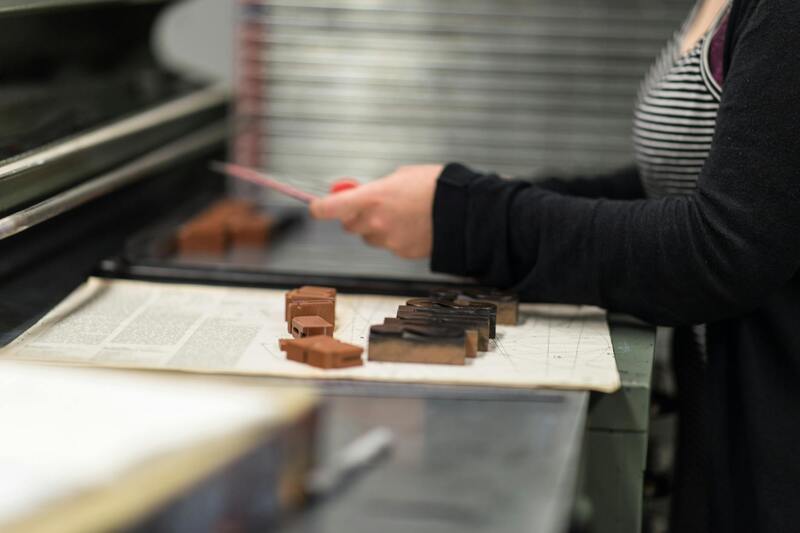
Before proceeding with a print order, companies should verify the credentials of their chosen printers. This includes checking for industry certifications, client reviews, and case studies that demonstrate their competence in producing professional business cards. Such due diligence helps prevent discrepancies and ensures the final product aligns with corporate standards and branding guidelines.
Documentation and Proofing Processes
Reputable printing establishments will provide comprehensive documentation, including detailed proofs, specifications, and estimated timelines for delivery. This documentation process allows clients to review the design, confirm accuracy, and request adjustments before the final print run. It acts as a safeguard against errors and helps streamline communication between the business and the printer.
Compliance with Singapore's Business Standards
Adhering to local standards involves ensuring that all name cards display accurate contact information, proper branding elements, and necessary regulatory disclosures where applicable. Licensed printers are familiar with these requirements and can advise clients on best practices for accordance, such as appropriate logo placement, material selections, and security features, to produce cards that meet Singapore’s commercial standards.
Types of Printing Technologies Used in Singapore
- Offset Printing: Ideal for bulk orders, offset printing offers sharp image reproduction and cost efficiency at high volumes. It is suitable for classic business cards with simple, consistent designs.
- Digital Printing: Suitable for short runs and quick turnaround times, digital printing allows for customization and quick revisions, making it perfect for personalized business cards or small batch orders.
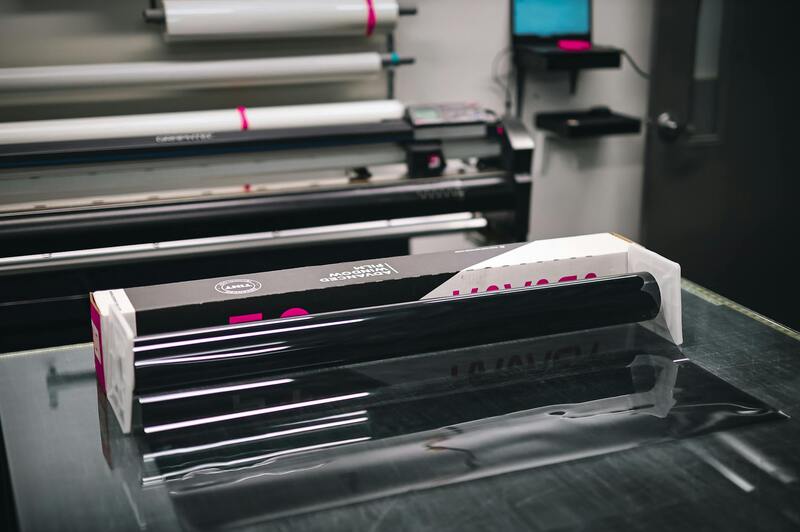
- Specialty Techniques: Methods such as spot UV, foil stamping, embossing, and lamination add luxury and durability to name cards. These techniques are typically executed in reputable Singaporean print shops equipped with the latest technology.
Turnaround Time Expectations
The production timeline in Singapore varies depending on the complexity of the design, order volume, and chosen printing method. Standard business cards generally require 2 to 5 working days from approval of proofs to delivery. For advanced finishing processes or custom requests, an additional 3 to 7 days may be necessary. Confirming these timelines upfront helps businesses plan their distribution and ensures efficient onboarding of new clients or partners.
Final Steps for Securing Your Name Cards
Prior to finalizing an order, companies should request a physical or digital proof to verify the accuracy of their design, contact details, and overall appearance. Ensuring correctness at this stage minimizes the risk of costly reprints. Once satisfied, approval should be documented and sent to the printer for production.
In Singapore, leveraging official printing channels not only guarantees superior quality but also fosters transparency and accountability. It supports brand image and ensures compliance with industry standards, ultimately facilitating smooth business operations.