Guide To Card Printing Services In Singapore
Introduction to Card Printing
In today’s fast-paced business environment and dynamic personal settings, high-quality card printing services serve as a crucial element for establishing a professional identity and facilitating effective communication. For businesses in Singapore, professional card printing encompasses a wide range of products, from sleek business cards that leave a lasting impression to secure identification cards. The significance of professional card printing cannot be overstated, as it directly affects brand recognition, customer trust, and operational efficiency.

Printed cards are a visible representation of your business identity or personal branding. For entrepreneurs and corporate entities, they serve as a tangible connection during networking, marketing, and client engagement activities. For individuals, especially those requiring ID badges, event passes, or membership cards, quality printing ensures durability and professionalism. The variety of card printing services available in Singapore caters to diverse needs with tailored solutions, integrating innovative techniques and premium materials to produce cards that are both functional and aesthetically appealing.
When selecting a card printing service, attention to detail, adherence to high-quality standards, and understanding of available options are essential. A reputable provider will employ state-of-the-art printing technologies, offer various customization options, and utilize durable materials designed to withstand everyday handling. Whether you require a small batch of personalized event cards or large-scale corporate card sets, professional printing services can deliver solutions that precisely match your specifications, budget, and timeline.
In addition, the growing demand for branded cards such as loyalty or membership cards has spurred innovation in printing methods and finishes. This evolution not only enhances visual appeal but also extends the lifespan of the cards, safeguarding your investment and maintaining a lasting impression. As more businesses recognize the importance of professionally printed cards, the scope of services has expanded to include various formats, finishes, and security features, all tailored to meet specific requirements within a competitive market landscape.
Choosing the right printing partner involves assessing their expertise, quality assurance processes, and ability to offer comprehensive customization. In Singapore, established printing companies are equipped with advanced technology and skilled personnel committed to delivering top-tier products that exemplify professionalism. Understanding the fundamentals of card printing and partnering with a trusted provider ensures your cards not only look impressive but also serve their intended purpose effectively and reliably.
Materials and Finishes for Card Printing
Selecting the appropriate materials and finishes is a fundamental aspect of professional card printing, directly influencing durability, aesthetics, and overall impression. Commonly used materials include PVC (polyvinyl chloride), which offers robustness and flexibility, making it ideal for membership, loyalty, and ID cards that require frequent handling. Polyester and composite materials are also prevalent, providing additional resistance against wear and tear. For premium applications, specialty paper stocks such as linen or textured cardstock can add a tactile dimension to the card’s appearance, elevating its perceived value.

Finishing options further enhance the visual impact and longevity of the printed cards. Matte finishes provide a subdued, elegant look and are resistant to fingerprints, making them suitable for professional business cards. Glossy finishes, on the other hand, impart a vibrant look, accentuating colors and images, and are often chosen for promotional gift or reward cards. Specialty coatings such as lamination, spot UV, and holographic overlays add layers of protection and security, preventing scratches and tampering while also providing unique visual effects.
Enhancement Techniques for Durability and Security
High-quality card printing incorporates various enhancement techniques to meet specific needs, including resistance to bending, fading, and water exposure. Lamination is one of the most common methods, applying a transparent layer that shields the surface from damage. Spot UV coating selectively highlights certain areas of the design, creating a tactile contrast and drawing attention to key features like logos or embossed text.
Security features are also integrated into premium card prints to ensure authenticity and integrity. These may involve microtext, holograms, foil stamping, and embedded barcode or RFID chip technology. Implementing such features not only safeguards against counterfeiting but also enhances the card's overall professionalism and trustworthiness.
Customizing Materials and Finishes for Specific Applications
The choice of materials and finishes varies depending on the intended application's specific needs. For instance, loyalty or membership cards that may be used in harsh environments benefit from polycarbonate or PVC with a matte or gloss finish, coupled with lamination for added durability. On the other hand, invitation or gift cards may leverage textured cardstock combined with foil accents or holographic overlays to create a luxurious feel.
By tailoring material and finish options, businesses can craft cards that not only convey their brand message effectively but also withstand the rigors of daily use. This strategic approach ensures that each card maintains its visual appeal and functional integrity over time, resulting in a lasting impression and increased value for both the provider and the end-user.
Official Methods for Card Printing: Ensuring Quality and Authenticity
When it comes to producing high-quality cards, utilizing official printing channels is essential for achieving precise results and maintaining functional integrity. Professional printing services employ advanced techniques and state-of-the-art equipment to ensure that each card is crafted with accuracy, consistency, and durability. These methods encompass the use of specialized digital and offset printing presses capable of handling various card substrates, including PVC, polycarbonate, and premium cardstock. The precision of digital printing allows for vibrant color reproduction and fine detail, making it ideal for personalized or short-run projects, whereas offset printing offers cost-effective solutions for larger quantities while maintaining excellent quality standards.

In addition to the choice of printing technology, official printing channels incorporate comprehensive quality control processes. These procedures validate color consistency, registration accuracy, and the integrity of security features where applicable. For instance, microtext or holographic elements are embedded during the printing phase, requiring meticulous handling to prevent defects or misalignment. Such attention to detail guarantees that the final product aligns with stringent quality standards, fostering trust and confidence in the usability and appearance of the cards.
Established and Recognized Materials for Print Durability
Expert card printing predominantly relies on officially approved materials that offer robustness and functional suitability for their specific use cases. PVC remains the most popular choice for standard membership, loyalty, and ID cards due to its resistance to wear and environmental factors. Polycarbonate provides enhanced shatter resistance for high-security applications, ensuring that cards withstand daily handling and harsh conditions. Premium cardstock, often used for invitation or gift cards, delivers a luxurious tactile experience and can be enhanced with textured finishes or holographic overlays for added visual appeal.
These materials are selected and sourced from reputable suppliers, guaranteeing consistency and quality, which is vital for applications requiring high standards of appearance and longevity. When combined with precise conforming finishes—such as lamination, matte or gloss coatings—these substrates become highly durable, resilient to scratches, and capable of maintaining their visual impact over time.
Standard Finishes and Their Impact on Card Longevity
To further enhance the lifespan and aesthetics of printed cards, recognized finishes are applied through official methods. Lamination provides a protective layer that shields against scratches, dirt, and moisture. Spot UV coating selectively enhances specific areas like logos or key elements, creating depth and tactile contrast. Embossing adds a three-dimensional effect, imparting a premium feel suitable for high-end cards. Foil stamping introduces metallic accents, elevating visual richness and appeal.
Applying these finishes through legitimate processes ensures that the effects are evenly distributed and durable. For example, lamination and foiling are bonded using heat and pressure in controlled environments, adhering to strict standards that prevent peeling or fading. Such adherence guarantees the card's appearance remains pristine, maintaining professional standards and the card's functional integrity over its lifecycle.
Understanding the Techniques Behind Card Printing
Achieving high-quality, durable cards hinges on employing legitimate printing methods that ensure precision, consistency, and longevity. These techniques utilize specialized equipment and controlled environments to produce crisp visuals and secure finishes, ultimately guaranteeing that the finished product meets industry standards.

Leading card printing providers utilize a variety of proven methods, each suited to different card types and design complexities. Digital printing offers rapid turnaround times and excellent color accuracy, making it ideal for short runs and personalized designs. Offset printing, on the other hand, excels in large-volume production, providing consistent image quality and sharp details through the use of precise plates.
Ensuring Quality Through Certified Finishing Processes
Applying finishes such as lamination, spot UV coating, embossing, and foil stamping involves meticulous procedures that demand specialized machines and adherence to strict quality controls. These finishes are bonded using heat, pressure, or specialized adhesives within controlled environments that prevent defects like peeling or uneven coverage.
Lamination creates an additional protective barrier, safeguarding cards against scratches, moisture, and general wear. Spot UV coating is selectively applied to highlight key elements, adding visual depth and tactile interest. Embossing introduces textured, three-dimensional effects that lend a premium feel, often used for logos or decorative features. Foil stamping imparts metallic accents, elevating the aesthetic appeal while maintaining durability.
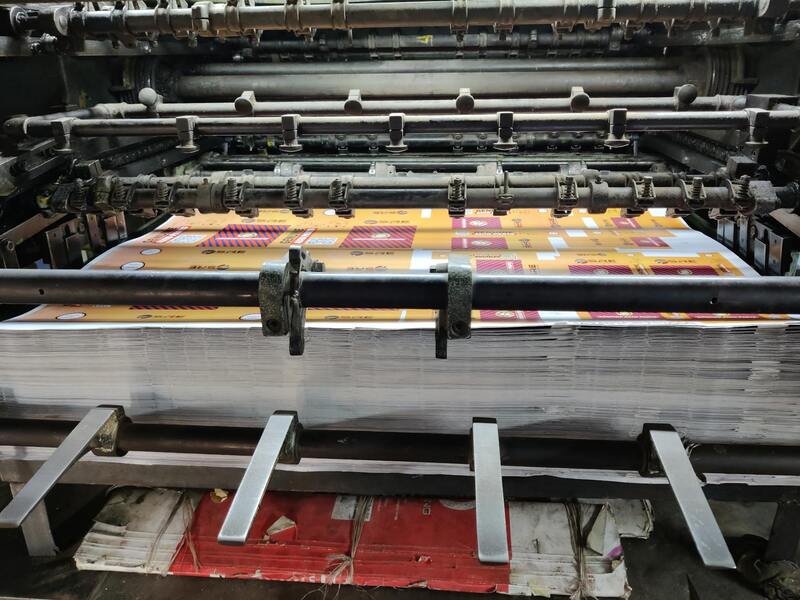
Certification and adherence to industry standards during these processes foster consistent quality, ensuring the final product maintains its visual integrity over time. Proper bonding techniques, temperature controls, and environmental conditions are critical to achieve this, preventing issues like peeling, fading, or uneven application.
Materials and Finishes That Elevate Card Durability
Selection of suitable substrates underpins the longevity and appearance of printed cards. Reputable suppliers offer materials such as PVC, PET, and specialty papers, which are processed to withstand handling and environmental factors effectively.
These substrates often receive topcoat finishes—such as matte, gloss, or textured coatings—during legitimate printing operations. These finishes are not merely aesthetic; they provide additional resistance to scratches, fingerprints, and UV damage, ensuring the card retains its intended visual impact over extended periods.
Maintaining Visual Integrity with Proper Finishing
The proper application of finishes underpins the professional quality of printed cards. This includes precise lamination to prevent bubbling or peeling, even UV coatings for surface protection, and accurate embossing or foiling to sustain structural integrity.
By choosing card printing services that utilize certified techniques and high-quality materials, clients can be assured of receiving products that not only meet aesthetic expectations but also serve their functional requirements effectively.
Utilizing Proper Methods for Card Printing
Engaging in legitimate card printing involves adherence to proven techniques that ensure both quality and durability. Reliable printing methods such as digital and offset printing are employed to produce vivid, high-resolution images with precise color accuracy. These processes use certified equipment calibrated to industry standards, delivering consistency across batches.
Color fidelity is maintained through adherence to specified color modes—primarily CMYK—allowing for predictable, vibrant results that match the original artwork. High-resolution files, typically 300 dpi or higher, are essential to achieve sharp details and smooth gradients, avoiding pixelation or blurriness in the final product.
Pre-press preparation plays a crucial role in the accuracy of the print job. Artwork files must meet specific guidelines regarding bleed, margins, and color profiles to prevent unexpected cropping or color shifts. Professionals review and prepare files meticulously, ensuring all elements align correctly during the printing process.

Printing equipment utilized by reputable providers maintains consistent quality, with regular calibration and maintenance. This validation guarantees that each card produced aligns with technical specifications, resulting in a product that satisfies aesthetic and functional expectations.
The application of finishes, such as lamination or coating, further enhances the card's integrity. These finishes protect against environmental damage like scratches and UV exposure, which can cause fading over time. Certified lamination processes include proper temperature and pressure controls to prevent issues like bubbling or peeling, ensuring a presentable, long-lasting card.
Ensuring Accuracy in Card Production
To maintain the highest standards, professional card printing services strictly follow quality control protocols at every stage—from file verification to the final inspection. This rigorous oversight ensures that the colors are consistent, the edges are crisp, and the finishes are applied smoothly. Such diligence minimizes errors and guarantees a product that meets precise specifications.

Furthermore, the use of certified inks and environmentally friendly solvents not only aligns with responsible business practices but also ensures that the products are safe and stable over time. These materials are tested for resistance to smudging, fading, and external stress, contributing to the card's longevity and maintaining visual clarity from the moment of printing through extended use.
Choosing the Right Production Partners
When sourcing card printing services, selecting providers with verified technical processes and consistent quality control measures is vital. Such establishments invest in advanced equipment and ongoing staff training, enabling them to produce high-quality cards that meet specific requirements. Transparent communication about process standards helps clients understand how their products will be handled, ensuring expectations are aligned with industry best practices.
Advanced Techniques in Card Printing for Enhanced Durability
Achieving high-quality, long-lasting card prints requires the utilization of specialized printing techniques and adherence to strict quality standards. Professional card printing services employ a combination of advanced methods to ensure each card meets exacting specifications for appearance and resilience. These techniques encompass high-resolution digital printing, offset printing, and specialized finishing processes that contribute to the overall durability and visual appeal of the final product.
Utilization of High-Resolution Digital and Offset Printing
High-resolution digital printing allows for rapid, cost-effective production of custom cards with intricate designs and color gradients. This method ensures vibrant, precise images that accurately reflect the client's branding or design intent. For larger quantities, offset printing provides superior consistency and color fidelity, producing sharp images with minimal discrepancies across batches. Both methods are chosen based on the project scope, design complexity, and turnaround requirements.
Specialized Finishes for Enhanced Resistance
Finishing treatments such as lamination, UV coating, and embossing significantly enhance the physical properties of printed cards. Laminates provide a protective barrier against scratches, moisture, and fading, extending the lifespan of the card. UV coatings add a glossy or matte finish that boosts visual richness while safeguarding the printed surface. Embossing introduces tactile features that not only elevate the card’s aesthetic but also add an extra layer of durability, particularly useful for cards subjected to frequent handling.
Color Management and Printer Calibration
Maintaining color consistency across batches and during initial production stages relies heavily on advanced color management protocols. Color calibration of printing equipment, along with the use of certified inks and color profiles, ensures that each print matches the original design intent. This meticulous approach guarantees industry-standard quality, with accurate color reproduction that bolsters the perceived value of the printed cards.
Quality Assurance and Inspection
Every card undergoes rigorous quality control measures, including visual inspections and automated checks for registration accuracy, color consistency, and finishing quality. These steps help identify and correct defects such as misalignments, color deviations, or surface imperfections before delivery. As a result, clients receive a product that not only looks professional but is also built to withstand operational stresses.
Environmental and Material Testing
Sustainable practices are incorporated through the use of environmentally friendly inks and eco-conscious materials, which do not compromise print quality. Resistance tests for smudging, fading, and external stress are conducted to ascertain that materials perform reliably over time. Such testing ensures that printed cards retain their visual appeal and structural integrity throughout their lifecycle.
Choosing a Production Partner with Advanced Capabilities
Collaborating with providers that install state-of-the-art equipment and implement comprehensive process controls is crucial. These facilities often invest in ongoing staff training and process optimization, ensuring consistent outcomes. Transparent communication regarding their quality assurance processes helps clients understand how their specific requirements are met, fostering confidence in the final product.

Advanced Methods for Card Printing
In the realm of professional card printing, employing sophisticated techniques is essential for achieving high-quality results that meet specific client expectations. Utilizing specialized printing methods enhances the durability, appearance, and security features of cards, making them suitable for a variety of applications such as identification, membership, and promotional purposes.
Offset Printing
Offset printing remains one of the most reliable methods for producing large quantities of high-definition cards. This process involves transferring ink from a plate to a rubber blanket, then onto the printing surface. It is particularly effective for consistent color reproduction across bulk orders, ensuring that each card maintains the same high standards of visual fidelity. Offset printing supports a wide array of finishes and textures, allowing for enhancements like matte or gloss coatings that influence tactile experience and visual appeal.

Digital Printing
Digital printing offers flexibility and speed, making it ideal for smaller runs and personalized card designs. This method directly prints digital files onto the card surface, minimizing setup times and enabling quick turnaround rates. The absence of plates not only reduces initial costs but also allows for easy adjustments in designs without significant retooling. Digital printing is especially effective when incorporating variable data or unique design elements specific to each card, such as individual names or serial numbers.
Security and Special Effect Printing
To enhance authenticity and safeguard against counterfeiting, advanced security printing techniques are implemented. Incorporating features like holograms, UV ink, microtext, and watermarks can significantly improve the security profile of printed cards. These elements are seamlessly integrated into the design and provide verification measures that are hard to replicate. Furthermore, special effects such as spot UV coating, embossed text, and foil stamping contribute to sophisticated visual effects that increase the perceived value of the final product.
Photographic and Variable Data Printing
Photographic printing enables the embedding of high-resolution images, logos, or portraits, adding a personalized touch to each card. Coupled with variable data printing, clients can include unique identifiers or customized messages on each card without delays. This combination is crucial for applications like membership cards, event passes, or employee identification badges, where individual information enhances functionality and security.
Quality Standards and Consistency
Adhering to strict quality standards is vital to producing reliable, professional-grade cards. State-of-the-art equipment is calibrated regularly to maintain color consistency and registration accuracy. Automated inspection systems are employed to identify misalignments, color deviations, and surface imperfections. Rigorous inspection procedures verify each batch, ensuring that every card meets specified standards before it reaches the client’s hands.
Surface Finishing and Additional Protective Coatings
Surface finishes not only improve aesthetic appeal but also contribute to a card’s longevity. Popular options include matte, gloss, satin, and soft-touch coatings, each offering different tactile sensations and visual effects. Protective overlays, such as lamination or UV coatings, serve as barriers against scratches, smudges, and fading, thus maintaining the cards’ integrity over time. These finishes can be tailored according to the intended usage environment, whether indoor or outdoor.
Innovative Materials for Special Applications
Beyond standard PVC, newer material options are available to accommodate specific functional needs. For example, eco-friendly materials like biodegradable substrates integrate sustainability with print quality. Transparent or semi-transparent substrates are utilized for creative design effects, while RFID-enabled cards facilitate contactless transactions and access control measures. Combining these materials with advanced printing techniques results in versatile products that serve diverse operational requirements.
Integrating these professional methods ensures that each card not only looks visually appealing but also performs reliably within its intended environment. This comprehensive approach to card printing aligns with the demands of businesses seeking durable, secure, and customizable solutions tailored to their branding and operational needs.
Ensuring Security and Authenticity Through Official Card Printing Methods
For organizations and individuals seeking to establish trust and avoid complications associated with counterfeit or unauthorized cards, relying on proven, official card printing channels is essential. Professional printing companies employ industry-standard methods that adhere to strict quality controls, ensuring each card produced meets precise specifications regarding design, security features, and durability.
These methods typically involve advanced digital printing equipment capable of rendering complex graphics and fine details with outstanding clarity. Employing security features such as microtext, holograms, UV-reactive elements, or unique serial numbers enhances the card's authenticity, providing easy verification while maintaining a high standard of integrity.

To achieve these standards, reputable printing providers utilize proprietary inks and substrates designed to withstand environmental stresses like scratching, fading, or exposure to moisture. This approach ensures that visual elements and embedded security features remain legible and intact over the lifespan of the card, thus maintaining their protective and functional roles.
Limitations and Risks of Unauthorized Card Replication
Attempting to print cards through unverified or unofficial channels can introduce numerous vulnerabilities. These include substandard print quality, the absence of essential security elements, and the use of incompatible materials that may compromise the card’s intended function. Such practices can lead to higher failure rates, increased costs due to reprints, and potential legal or operational repercussions.
Moreover, unauthorized card printing often involves lower-grade inks and substrates that are prone to premature wear and tear, diminishing the visual appeal and protective features. This not only affects brand reputation but can also undermine trust among users and stakeholders who rely on the authenticity and durability of the cards.
Technical Considerations for Professional Card Printing
When opting for official card manufacturing, it is crucial to consult with experienced providers that utilize the latest printing technology. Essential technical features include:
- Resolution and Print Fidelity: Ensuring crisp graphics and text that reinforce brand identity and security.
- Color Consistency: Achieving accurate color reproduction through calibration and high-quality inks.
- Security Element Integration: Incorporating features like holograms, holographic overlays, or embedded chips seamlessly into the card design.
- Surface Finishing: Applying protective coatings such as matte, gloss, or satin to enhance durability and aesthetic appeal.
- Material Selection: Choosing appropriate substrates, including PVC, PET, or eco-friendly alternatives, tailored to functional needs.
These technical considerations maximize the lifespan and effectiveness of the printed cards while safeguarding against counterfeiting and misuse.
Verifying Credentials and Certifications of Card Printing Providers
To ensure that card printing is performed reliably and legitimately, it is advisable to verify the credentials and certifications of the chosen provider. Reputable businesses often hold memberships in industry associations, possess ISO certifications, or are certified for compliance with international standards related to quality management and security.
Credentials serve as indicators of adherence to best practices, consistent quality output, and ongoing commitment to innovation and security. By selecting a provider with a proven track record and recognized certifications, clients can confidently rely on delivering product integrity aligned with their operational requirements.
Cost Implications and Quality Assurance
While official card printing might involve higher initial costs compared to mass-produced or DIY options, the investment yields long-term benefits. Higher quality prints, embedded security features, and durable materials contribute to lower replacement and reissue rates. Furthermore, professional providers typically implement quality assurance processes, including pre-production mockups, in-process inspections, and post-production checks, ensuring that each batch conforms to established standards.
Transparent pricing structures are often tailored based on the complexity of customization, security features, and turnaround time. Clients should seek detailed quotations that outline all associated costs, thereby facilitating informed decision-making and budget planning.
Conclusion
Adherence to official and verified printing channels is paramount for producing reliable, secure, and visually appealing cards. By leveraging advanced printing technologies, high-quality materials, and rigorous quality controls, organizations can ensure their cards serve their intended purpose effectively while maintaining brand integrity and trustworthiness.