How To Make A Poster Print: Step-by-Step Guide For Printing Custom Posters
Understanding Poster Printing
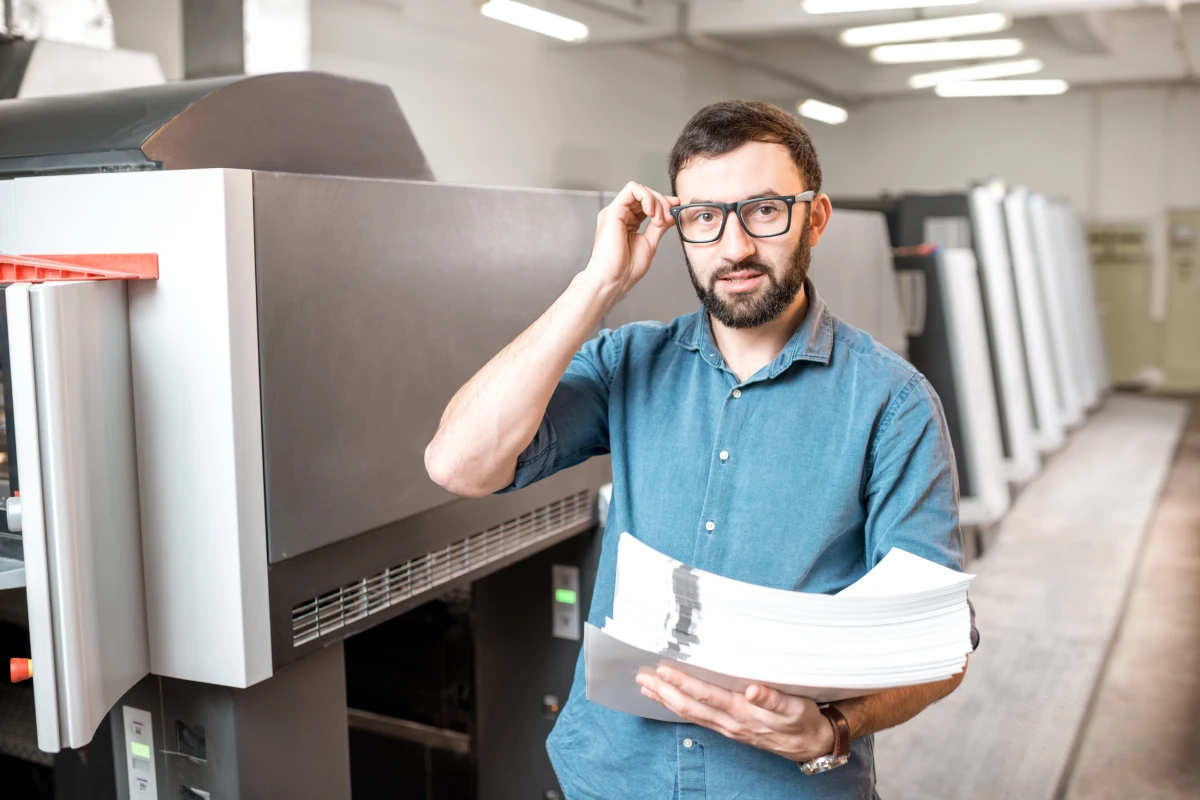
Poster printing represents a versatile and impactful method of visual communication, utilizing large-format prints to convey messages, promote products, or enhance aesthetic environments. Whether used for advertising campaigns, decorative purposes, or personal projects, posters serve as an effective medium that combines visual artistry with informational content. The core of successful poster printing lies in high-quality execution, which ensures vibrant colors, sharp details, and durable materials that withstand environmental factors. As a prominent provider in the industry, s7printing.com emphasizes the importance of choosing the right printing approach to meet diverse needs, whether for promotional displays, event signage, or artistic showcases.
In a competitive marketplace, the demand for professionally printed posters continues to grow, driven by the necessity for eye-catching visuals that capture attention in crowded spaces. From storefront advertisements and trade show displays to personal wall art, posters are adaptable tools that can be tailored to fit specific objectives and aesthetic preferences. The utilization of advanced printing technologies and premium materials guarantees that each poster print delivers clarity and longevity, reflecting the importance of quality craftsmanship in all types of print projects.
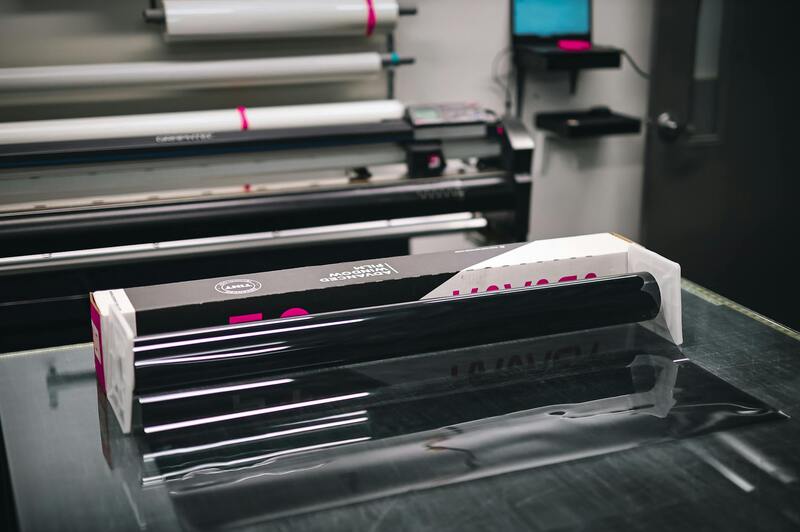
The advantages of opting for a professional poster print extend beyond visual appeal. They include the ability to produce large-format images with consistent color accuracy, durable finishes that resist fading and tearing, and options for customization that align with specific branding or design requirements. These benefits make poster printing a preferred choice for businesses aiming to maximize visibility, artists seeking to showcase their work effectively, and individuals wanting to add a personalized touch to their space.
Ensuring a smooth and successful poster printing process involves understanding the fundamentals of production—from selecting the appropriate size and materials to preparing the artwork meticulously. Recognizing the key factors and best practices in poster printing can significantly influence the outcome, ensuring that the final product meets expectations and delivers impactful results.
Understanding Poster Printing
Effective poster printing begins with a clear understanding of the entire production process, encompassing various essential components such as design, material selection, sizing, and finishing touches. When looking to make a poster print, it’s important to recognize that high-quality results stem from meticulous planning and execution. The process involves converting your digital artwork into a suitable format, choosing appropriate printing methods, and selecting materials that enhance durability and visual impact.
Core Aspects of Poster Printing
- Design Optimization: Ensuring that your artwork is in the correct resolution (preferably 300 dpi), color mode (generally CMYK for printing), and file format (such as PDF or TIFF) to guarantee crisp output.
- Image Quality: Using high-resolution images prevents pixelation, maintaining clarity even in large formats.
- Size and Format: Selecting the right dimensions, whether standard sizes like A1, A2, or custom measurements, based on the intended display space and purpose.
- Material Selection: Choosing suitable substrates such as glossy or matte paper, vinyl, or fabric depending on the location and use of the poster.
- Finishing Options: Considering lamination, mounting, or framing to enhance longevity, protect against environmental damage, and improve presentation quality.
Production Techniques in Poster Printing
Modern poster printing relies heavily on digital printing technologies that afford rapid turnaround times and high precision. Techniques such as large-format inkjet printing utilize UV or solvent inks, which provide vibrant colors and resistance to fading, making them suitable for both indoor and outdoor displays. Furthermore, advancements in printing methods enable the production of seamless, high-resolution images across wide surfaces without visible joins or distortions.
Adopting the best printing practices, including proper color calibration and proofing, ensures that the final product accurately reflects your design vision. Professional printing services typically provide proofing options, allowing you to preview the poster before getting the full run produced, minimizing errors and maximizing satisfaction.
Leveraging Material and Finish Choices for Optimal Results
The quality of your poster print hinges significantly on selecting the appropriate materials and finishes. For instance, gloss finish papers enhance vibrancy and detail but may cause glare under bright light, while matte finishes reduce glare and permit easy viewing from various angles. For outdoor or high-traffic environments, durable materials such as vinyl with protective coating are recommended to withstand weather elements and handling.
Choosing a Trusted Printing Partner
Partnering with experienced print providers who utilize advanced digital printing equipment is crucial for achieving professional results. Reliable services offer comprehensive support, from file preparation to finishing options and delivery. Ensuring they use high-quality inks and materials aligns with the goal of producing a striking, long-lasting poster that effectively communicates your message or artistic vision.
Ultimately, making a poster print involves careful planning, precise execution, and selecting the right professional partners. Taking these steps guarantees that your printed poster will stand out, maintain its visual integrity, and serve its intended purpose effectively.
Traditional Methods of Poster Printing
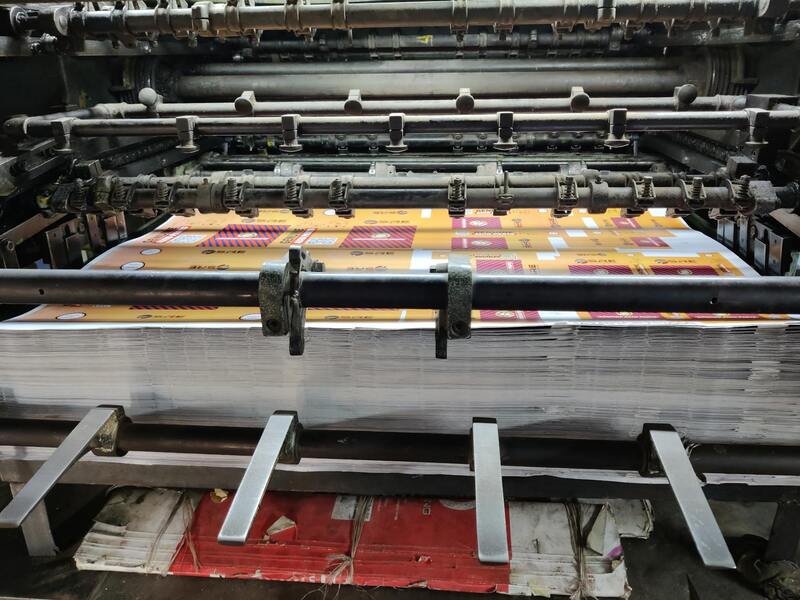
While digital and wide-format printing have become standard, traditional poster printing methods remain relevant, especially for specialized applications or customization requirements. Lithography, for instance, is a method that uses ink and metal plates to produce high-volume posters with consistent quality. It offers sharp detail and vibrant colors, making it suitable for commercial displays and large campaigns.
Screen printing is another conventional technique that involves pressing ink through a mesh screen onto the poster material. This method is highly effective for bold, limited-color designs, and can be used on various substrates such as fabric, paper, or vinyl. Screen printing is particularly beneficial for producing posters with vivid colors and durable finishes, ideal for outdoor or recurring displays.
Emerging and Innovative Poster Printing Technologies
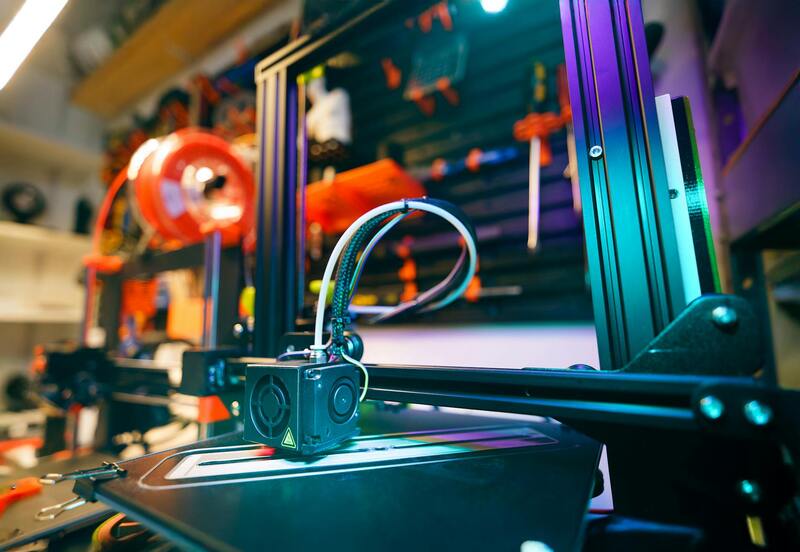
The poster printing industry continually evolves with advances in technology, offering options that cater to specific aesthetic and durability needs. LED UV printing is gaining popularity due to its ability to print directly onto rigid surfaces with excellent color accuracy and quick drying times. This method produces posters that are resistant to scratches and weather conditions, making them suitable for both indoor and outdoor displays.
Giclée printing, a high-quality inkjet process, is often used for fine art posters or limited editions. It provides exceptional detail, color fidelity, and longevity, making it the preferred choice for artwork reproduction. This digital technique allows for large-format printing with minimal color shifts and is ideal for custom or low-volume projects where precision matters.
Moreover, hybrid printing technologies combine traditional and digital methods to optimize speed, quality, and materials. For instance, some providers integrate solvent and UV printing to enhance the print’s weather resistance while maintaining vibrant colors and fine details.

Choosing the Appropriate Poster Printing Method
Selecting the most suitable printing process depends on several factors, including the intended display environment, print volume, budget, and desired visual quality. For high-volume commercial campaigns, traditional lithography or large-format digital printing offers efficiency and consistency. Conversely, for limited editions or art reproductions, Giclée or UV printing may deliver the exceptional detail and longevity required.
Durability and environmental conditions are critical considerations. For outdoor or high-traffic areas, methods that produce weather-resistant posters, such as UV or solvent-based printing, should be prioritized. If the posters will be displayed indoors or in controlled settings, standard digital printing may suffice, allowing for more intricate designs and color variations.
Ultimately, consulting with a professional printing service can help determine the most effective technique for your specific project. An experienced provider will analyze your artwork, display requirements, and budget to recommend an optimal printing process that ensures your posters are visually striking and physically resilient.
Finalizing Your Poster Design for Optimal Quality
Once the design layout is complete, ensuring that the digital files meet specific technical standards is crucial for achieving high-quality poster prints. High-resolution images are a fundamental requirement, with a recommended minimum resolution of 300 DPI at the intended print size. This level of detail preserves sharpness and clarity, preventing pixelation or blurriness in the final product. For large-format posters, lower resolutions can lead to a loss of detail; therefore, preparing files with appropriate resolution settings is vital.
Color accuracy also plays a significant role in poster printing. Utilizing CMYK color mode during the design process ensures that colors are rendered more precisely when printed. Designers should verify color profiles and consider conducting test prints, especially for critical projects with specific branding color requirements. This step helps in approximating how colors will appear on the final print, reducing surprises after production.
File formats are another key consideration. Vector-based formats such as PDF, AI, or EPS are preferred for designs containing logos, text, or line art, as they scale without losing quality. Raster images embedded within these files should be saved separately at high resolution to maintain overall file integrity. Additionally, establishing bleed zones—usually around 3mm to 5mm beyond the intended trim—allows for proper trimming and prevents unintentional white borders or cropping issues.
Finally, organizing your files systematically, named clearly with version numbers, and including any necessary instructions or specifications can streamline the production process when working with a professional printing service. Confirm that the files are aligned with the printer’s requirements, as this reduces the need for revisions, saves time, and ensures the final product matches your vision.
Proper File Preparation Ensures High-Quality Poster Prints
Preparing your digital files meticulously is fundamental to achieving vibrant, crisp, and accurate poster prints. A primary consideration is resolution: images and design elements should typically be set at 300 DPI (dots per inch) to ensure clarity and detail in large-format prints. Files that are lower in resolution risk appearing blurry or pixelated when enlarged, detracting from the overall visual impact. It’s crucial to confirm that all embedded images are of sufficiently high resolution and that any vector elements, such as logos and text, are created or saved in scalable formats.
Color management is equally vital. Utilizing the CMYK color mode during the design process aligns the digital files more closely with the printing outcome, providing a realistic preview of how colors will appear on the final poster. Designers should verify color profiles and consider conducting test prints for projects with specific branding standards or critical color accuracy needs. This process mitigates unexpected color shifts, ensuring the print reflects the intended design palette.
File format selection influences the flexibility and quality of the printing process. Vector formats like PDF, AI, or EPS are preferable, especially for designs incorporating logos or line art, because they retain quality regardless of size. Raster images embedded within these documents must be saved at high resolution and incorporated seamlessly to prevent degradation. Additionally, including bleed zones—typically around 3mm to 5mm beyond the trim line—provides margin for trimming inaccuracies. This ensures no unintended white borders appear after finishing.
Organizational best practices involve systematically naming files with clear, descriptive titles and version numbers. Including specific instructions or production notes helps streamline communication with the printing provider, reducing the chance of misinterpretation or errors. Confirming file compatibility with the printer's specifications accelerates the process, ensuring your artwork is print-ready without costly revisions. When prepared correctly, these files set the stage for a poster that garners attention and communicates your message effectively in any display environment.
Ensuring Legible and High-Quality Poster Content
When preparing a poster for official printing, the clarity and readability of your message are vital. Use legible fonts that match the tone of your presentation, ensuring that font sizes are appropriate for the viewing distance. For example, titles should be significantly larger than body text to draw attention, while captions and details should maintain clarity at smaller sizes. It’s equally essential to maintain high contrast between text and background to enhance readability. Dark text on a light background or vice versa is generally most effective, especially for posters intended for quick viewing in busy environments.
In addition to font choice, effective use of whitespace prevents clutter, making the content more approachable and easier to scan. Incorporate clear, concise messaging supported by relevant images or graphics that complement the textual information. High-resolution images should be embedded at original size to avoid pixelation, thereby maintaining a professional appearance. When including statistics or detailed information, consider bullet points or numbered lists to organize content logically and facilitate quick comprehension.
Verifying Design Accuracy Before Finalizing the Print
Before instructing a poster print, conducting thorough checks ensures the output matches your expectations. Begin by reviewing the digital proof for layout errors, font size issues, and color accuracy. Confirm that all images are properly embedded at sufficient resolution—generally 300 dpi for large-format prints—to prevent blurry or pixelated images. Additionally, inspect color profiles to ensure colors on screen will translate accurately to physical print. Many professional printers rely on CMYK color mode, so converting your file from RGB to CMYK can help anticipate color shifts. It’s also advisable to print a small-scale proof if possible, allowing you to examine the design’s details and color fidelity before committing to the full-size poster. Pay close attention to any bleed areas included in your file, typically ranging from 3mm to 5mm. These extra margins prevent unintentional white borders after trimming, particularly important for posters with edge-to-edge designs. Confirm packaging instructions and finish preferences—such as matte or gloss—are correctly specified. Proper file validation minimizes revisions, saves time, and guarantees a printed poster that effectively communicates your message with professionalism and visual impact.
Proper Handling and Transportation of Your Poster
Once your poster print is ready, careful handling is essential to maintain its pristine quality and ensure it arrives at its intended display location in optimal condition. Proper transportation methods safeguard the poster from damage such as creases, tears, or warping. When transporting large-format prints, consider using protective coverings like poster sleeves or tubes designed specifically for flat or rolled prints. These help prevent scratches and dust accumulation, preserving the vibrancy of the colors and the integrity of the material.
For short-distance transport, carrying the poster in a sturdy, flat, and padded container minimizes the risk of bending or crushing. If the poster is rolled, employ acid-free tissue paper along the edges to prevent curlings or distortions during transit. When shipping over longer distances, choose a shipping service that offers tracking and insurance to monitor the package’s journey and provide coverage against unforeseen damages or loss. Clearly mark the package with handling instructions such as 'Fragile' or 'Keep Flat' to alert couriers to treat it with care.
After securing safe transit, upon receipt, clear the packaging carefully to avoid damaging the print. Unroll or unpackage the poster gently, especially if it was transported rolled, to prevent creases. Store the poster flat in a protective environment until ready for display. Proper storage conditions include a clean, dry space away from direct sunlight or humidity, which can cause deterioration over time.
Post-Printing Quality Control and Final Inspection
Quality assurance does not end with the receipt of your poster print. Conduct a thorough visual inspection to verify that colors, alignment, and overall print quality meet your expectations. Check for any blemishes or defects that may have occurred during the printing process. Confirm that all text and graphics are sharp, clear, and free from distortions or pixelation. Examine the edges and corners for perfect trimming, especially if edge-to-edge printing was requested, to ensure there are no unwanted white borders or uneven cuts.
If the poster includes intricate details or a color gradient, compare the physical product to your digital proof or design files to ensure accurate reproduction. Any discrepancies should be documented immediately and communicated to the printing service, especially if a reprint or adjustment is necessary. This step guarantees your final product communicates your message effectively and maintains a high visual standard.
Finalizing Your Poster Print for Display and Preservation
Once your poster has been printed and delivered, the process of effectively displaying and preserving your high-quality print becomes essential to maximize its visual impact and lifespan. Proper handling from receipt through installation ensures that your poster remains vibrant and intact, reflecting your original design intentions faithfully.
Careful Unpacking and Initial Inspection
Upon receiving your poster, handle the packaging with care to prevent accidental tears or creases. Gently remove the packaging materials, especially if your poster was shipped rolled, to avoid damaging the edges or surface. Conduct a thorough initial inspection, focusing on color accuracy, clarity, and overall condition. Look for any anomalies such as dents, scratches, or inconsistencies in the print that might have occurred during transit or production. Document any issues immediately in case adjustments or reprints are required.
Proper Storage Before Display
If you're not ready to display your poster immediately, store it in a protective environment to prevent deterioration. Store flat in a climate-controlled area away from direct sunlight, high humidity, and temperature fluctuations. Use archival-quality materials like acid-free backing boards or sleeves to prevent discoloration or warping over time. Avoid stacking multiple posters directly atop each other without protective layers, which can cause creases or surface damage.
Choosing the Right Mounting and Framing Options
To enhance durability and aesthetic appeal, consider professional mounting and framing services. Opt for UV-protective glass or acrylic to shield the poster from harmful light exposure that can fade inks and colors. Choose framing materials that complement your design style and ensure secure attachment. Additionally, mounting methods such as foam board backing or dry mounting can provide a smooth, crease-free presentation while offering extra support against environmental factors.
Implementing Proper Display Tactics
Display your poster in an environment that aligns with its purpose and visual impact. For indoor displays, select locations with minimal exposure to direct sunlight, high humidity, or fluctuating temperatures. Use appropriate hanging hardware to prevent accidental falls or damage. For outdoor displays, ensure weather-resistant mounting solutions, and consider protective covers or laminates to shield against moisture, dirt, and UV rays.
Maintenance and Long-Term Care
Regular maintenance ensures your poster remains vivid over time. Dust the surface gently with a soft, dry cloth or a microfiber duster. Avoid using cleaning agents or water, as these might damage the print or cause glare. Periodically check the mounting and framing for any signs of wear or damage, and replace protective coverings if they become scratched or discolored. Proper ventilation in the display area also helps prevent mold or mildew buildup, especially in humid climates.
Documenting and Archiving Your Poster
For important or highly customized posters, maintain high-resolution digital copies for backup. Save original design files, proof approvals, and detailed records of your purchase, including print specifications and mounting details. This documentation facilitates future reprints or touch-ups, ensuring your visual message remains consistent and preserved for long-term use.