Efficient Methods To Achieve A Faster Poster Printing Process
Understanding the Importance of Speed in Poster Printing
In today’s fast-paced marketing environment, the ability to produce high-quality posters quickly can significantly influence campaign success. Speed in poster printing ensures that promotional materials are delivered within tight deadlines, allowing businesses, event organizers, and marketers to seize timely opportunities. Rapid turnaround times enable teams to respond promptly to market trends, capitalize on current events, or update visuals without delay, maintaining relevance and engagement with their target audience.
Moreover, the demand for faster poster production is driven by the competitive nature of advertising, where delays can result in missed opportunities. Whether launching a new product, promoting a sale, or announcing an event, the swift availability of posters helps maintain momentum and visibility. Efficient printing processes also reduce lead times, allowing for multiple iterations or tweaks before the final batch, which optimizes the overall campaign strategy.

Businesses increasingly recognize that the printing timeline is a critical component of their marketing calendar. The faster the posters are produced and distributed, the sooner they can generate foot traffic, social media buzz, and media coverage. This immediacy can be the difference between a campaign that resonates and one that misses its window. For those in retail, event planning, or outdoor advertising, quick poster turnaround becomes a valuable asset, enabling them to stay agile and competitive in an ever-changing landscape.
Achieving rapid poster printing without compromising quality requires an understanding of effective methods and modern printing capabilities. By prioritizing speed alongside quality, organizations can optimize their visual communications and maintain a strong brand presence in a crowded market environment. This holistic approach to quick poster production ensures that campaigns are both timely and impactful, ultimately driving better engagement and return on investment.
Choosing the Right Printing Technology for Speed
When the goal is to expedite poster production, selecting the appropriate printing technology becomes paramount. Digital printing stands out as an optimal choice, offering rapid turnaround times and high-quality results suitable for both small and large batches. Its ability to print directly from digital files eliminates the need for extensive setup processes, significantly reducing lead times.
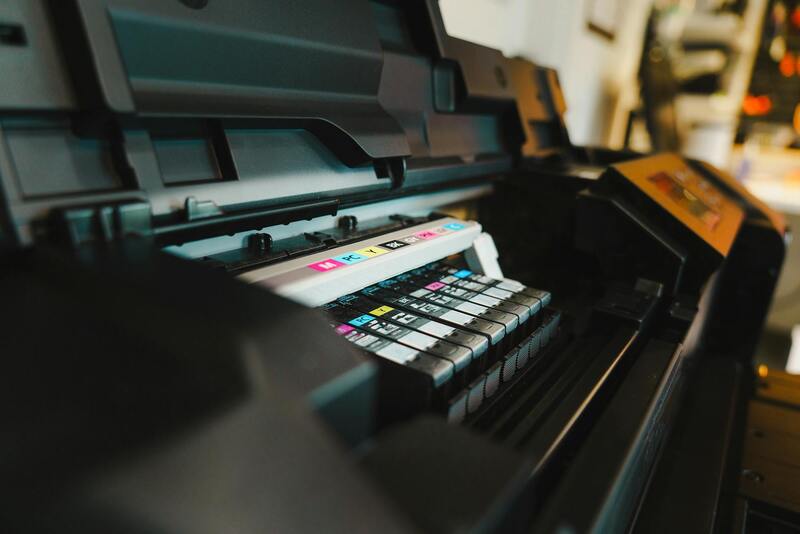
Another advantageous option is inkjet printing, particularly when producing vibrant, detailed images on various substrates. Advances in inkjet technology allow for faster printing speeds while maintaining sharp, accurate color reproduction. Large-format printers designed for posters combine these benefits, making them ideal for high-volume or urgent printing needs. They enable the production of sizeable posters in a relatively short period, which is crucial for time-sensitive campaigns.
Key Advantages of Modern Printing Technologies
- Speed: Digital and large-format inkjet printers offer high-speed printing capabilities, reducing batch turnaround time.
- Flexibility: These printers can handle various materials, enabling quick adjustments or customizations.
- Cost-Effectiveness: Minimal setup costs make them suitable for small runs or last-minute orders.
- High Quality: Despite their speed, these methods do not compromise on the clarity, color accuracy, or durability of the printed posters.
In choosing a printer, it's essential to evaluate the volume, quality requirements, and material preferences. Investing in a printer with dual capabilities—such as a hybrid digital-inkjet system—can offer the versatility needed for diverse promotional strategies.
Supporting Images and Deployment Strategies
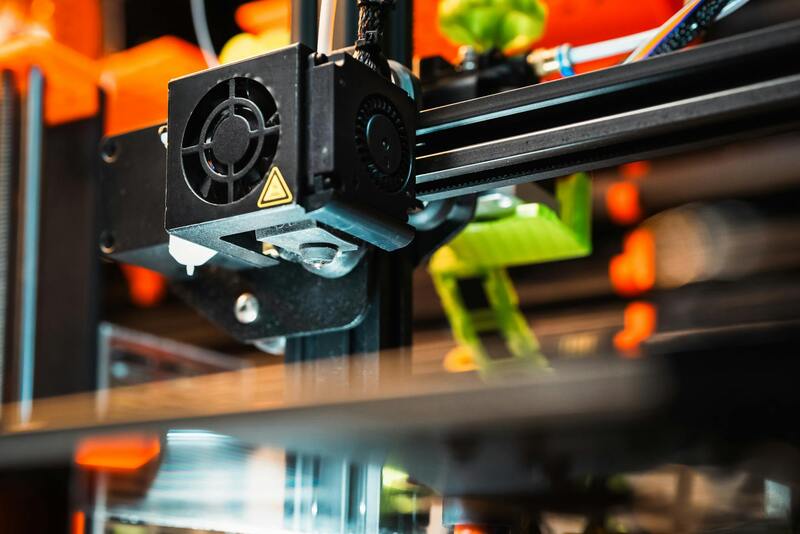
For organizations that regularly require rapid poster output, establishing a relationship with a printing provider equipped with high-speed digital and inkjet technology can streamline workflows. Participating in strategic planning that incorporates these technologies ensures that even last-minute demands are met without sacrificing quality.
Moreover, considering scalable printing solutions that can adapt to fluctuating campaign sizes guarantees flexibility and responsiveness. Upgrading existing infrastructure or collaborating closely with printing specialists helps maintain your competitive edge in fast-paced marketing environments, ensuring posters are ready when and where they are needed.
Implementing Efficient File Preparation to Accelerate Production
Optimizing your design files is essential to ensure a swift transition from concept to finished poster. Starting with high-resolution images, typically 300 DPI, guarantees clarity and reduces the need for reshoots or adjustments during printing. Employing the correct file formats, such as PDF/X-1a or TIFF, helps maintain color fidelity and layout integrity. When arranging elements, keep margins, bleed areas, and safe zones in mind to prevent cropping issues or misalignments during trimming.
Batching multiple posters within a single file can enhance printing efficiency, especially when using digital presses. Incorporating vector graphics for logos, icons, and text ensures scalability without loss of quality, which minimizes rework. Consistent color profiles across all files—preferably CMYK—maintain color consistency, reducing time spent on proofs or revisions.
Choosing Rapid-Set and High-Performance Materials for Quicker Turnarounds
The selection of substrates plays a crucial role in speeding up the entire printing process. For projects requiring quick delivery, consider using coated or synthetically coated papers that dry instantly, eliminating delays caused by drying times. PVC banners, vinyl, or weather-resistant films are ideal for outdoor posters, allowing immediate handling and installation post-production.
Material flexibility is also paramount when aiming for rapid turnaround. Lightweight substrates facilitate faster loading and easier handling, thus reducing setup times. For quick on-demand jobs, utilizing pre-cut panels or standardized sizes simplifies the process, avoiding unnecessary adjustments during material preparation.
Streamlining the Ordering and Manufacturing Workflow
Efficiency begins with an organized, straightforward ordering system. Digital tools that allow clients to upload files directly and select preferred materials, finishes, and sizes minimize back-and-forth communication and reduce errors. Confirming order specifications in advance helps streamline production scheduling and aligns expectations.
Implementing a clear production timeline, with dedicated slots for rush orders, ensures that urgent projects receive priority. Automating inventory management for frequently used materials reduces delays related to stock shortages. Maintaining good communication channels between design teams, print operators, and logistics personnel ensures that each step of the process proceeds without unnecessary interruptions.
Adopting Express and Same-Day Printing Solutions
For last-minute needs, many printing providers offer express or same-day services that employ dedicated machinery and dedicated staff to meet tight deadlines. These services often involve pre-press preparations, such as pre-approved templates and standard templates, to accelerate the process.
While these options may carry a premium cost, they are invaluable in emergency situations or unexpected promotional opportunities. Establishing a rapport with a reputable printing partner capable of delivering swift turnaround times can provide the agility required for dynamic marketing campaigns or immediate event setups.
Executing Best Practices for On-Site or Quick Setup Printing
On-site printing demands simple, efficient methods that minimize setup time. Using ready-to-print templates and standard sizes enables quick assembly and eliminates the need for extensive adjustments. Pre-loading materials and organizing tools in advance streamline the entire process.
For large-scale or high-frequency projects, designating dedicated printing stations with portable equipment enhances flexibility. Lightweight, portable digital printers equipped for fast print runs can be deployed close to installation sites, reducing transportation delays and enabling immediate poster deployment.

Maintaining Quality Control Under Tight Deadlines
Speed should never compromise the quality of the final product. Implement a standardized inspection protocol immediately after printing to catch any defects or inconsistencies. This can include checking color accuracy, print registration, and material integrity.
Utilize inline quality assurance tools available on modern digital printers, which can detect issues during production, reducing reprint cycles and avoiding delays. Fast but meticulous quality control ensures that speed does not lead to sacrifices in poster clarity, durability, or visual impact.
Leveraging Advanced Printing Technologies for Accelerated Output
Employing cutting-edge digital printing machinery is fundamental for achieving faster poster production without compromising on quality. Modern digital printers equipped with high-capacity inkjet or laser technology can handle large volumes efficiently, delivering crisp, vibrant images in a fraction of the time traditional methods demand. These printers feature rapid warm-up times and enhanced throughput capabilities, enabling crews to meet urgent deadlines with confidence.
Furthermore, automated printing workflows integrate seamlessly with production management software, allowing for streamlined operation and less manual intervention. Automated color calibration, inline finishing options like trimming and lamination, and programmable presets contribute to swift, consistent output. This technological synergy not only expedites the printing process but also ensures uniformity across multiple batches, which is essential for maintaining visual consistency in high-volume projects.
Implementing Efficient Workflow and Job Management Practices
Optimizing the production workflow is crucial for rapid poster turnaround. This includes establishing standardized procedures for file preparation, material handling, and equipment operation. Employing dedicated equipment zones and clearly defined roles reduces downtime caused by setup or reconfiguration. Design files should be prepared with clarity, using optimized resolution and color profiles to prevent delays caused by last-minute adjustments.
Pre-scheduling and batching print jobs save significant time during busy periods. For instance, organizing multiple design projects in a queue permits continuous operation without several interruptions. Workflow automation tools can also assist in managing print queues, tracking material consumption, and estimating completion times, enabling better planning and resource allocation.
Coordination with Material Suppliers and Inventory Management
Efficient sourcing of materials and proactive inventory management directly influence the speed of poster production. Maintaining a well-organized stock of high-quality substrates such as lightweight papers and vinyls allows for immediate use, eliminating delays caused by supply shortages. Establishing reliable relationships with suppliers ensures prompt deliveries, especially when demand surges unexpectedly.
Utilizing inventory management systems can help monitor stock levels in real-time, alerting team members when materials need replenishing. This foresight prevents disruptions in the printing schedule and supports rapid turnaround times. Additionally, selecting versatile, easy-to-handle substrates can reduce handling time during setup, further accelerating the process.
Understanding the Importance of Speed in Poster Printing
In the competitive landscape of visual communications, the ability to deliver high-quality posters swiftly can significantly impact brand visibility and client satisfaction. Speed in poster printing is not merely about rushing through the process; it encompasses a combination of strategic planning, technological efficiency, and operational agility. With the right approach, businesses and print providers can meet tight deadlines without compromising on quality, ensuring that promotional campaigns, events, and visual displays are executed seamlessly.
Factors Contributing to Faster Poster Production
- Advanced Printing Technologies: Utilizing high-speed digital printing presses designed for large-format outputs enables rapid production while maintaining image sharpness and color accuracy.
- Streamlined Workflow Management: Implementing effective job scheduling and automation tools minimizes delays caused by manual handling and reduces turnaround times.
- Pre-Production Optimization: Properly prepared design files with optimized resolution, color profiles, and setup parameters prevent last-minute adjustments that can cause delays.
- Efficient Material Handling: Maintaining readily available stock of diverse substrates allows immediate printing, reducing waiting times associated with sourcing materials.
- Proactive Communication: Clear coordination between design teams, production staff, and clients ensures that everyone stays aligned, avoiding misunderstandings that lead to delays.
Leveraging Technology for Speed
Modern print facilities focus heavily on adopting technology to expedite production. High-speed digital presses with multi-layered capabilities handle large volume outputs with quick setup times. Workflow automation software manages print queues, tracks job progress, and forecasts completion times accurately. These tools enable print shops to prioritize urgent orders and allocate resources efficiently, ultimately shortening lead times.

Furthermore, innovations like automated color calibration and pre-press checks reduce manual intervention, speeding up the entire process. Digital proofing platforms allow for quick client approvals without the need for physical proofs, which can significantly cut down the approval cycle. Integrating such technologies ensures that poster production runs smoothly, even under tight deadlines.
Maintaining Speed Without Sacrificing Quality
While accelerating the printing process is essential, it should not compromise the final outcome. Implementing quality control checkpoints at various stages of production ensures that each poster meets the desired standards. Techniques such as inline color management, resolution verification, and surface inspections catch potential issues early, avoiding costly reprints or rework that could negate speed advantages.
In addition, selecting compatible materials designed for quick handling and fast drying can enhance efficiency. For example, lightweight papers and vinyl substrates with rapid ink absorption and curing properties facilitate quick turnaround times. Coupling these with meticulous setup procedures guarantees swift production cycles without sacrificing durability or visual impact.
Conclusion
Achieving faster poster production involves a holistic approach that integrates advanced equipment, optimized workflows, precise pre-press preparations, and quality assurance measures. By leveraging technology and maintaining organized operations, print providers can deliver high-quality posters within tight schedules, consistently meeting client expectations and maintaining a competitive edge in the fast-paced world of visual advertising.
Understanding the Importance of Speed in Poster Printing
In today's competitive market, the ability to produce high-quality posters rapidly plays a significant role in meeting client demands and capitalizing on timely marketing opportunities. Fast poster printing not only ensures that campaigns launch on schedule but also minimizes inventory holding costs and allows for swift adjustments to design or messaging. Speed becomes especially crucial during events, trade shows, or last-minute promotional pushes where delays can result in missed opportunities or diminished impact.
Efficient poster production relies on a combination of advanced technology, optimized workflows, and process management. Balancing speed with quality requires an understanding of the tools and methods that facilitate rapid turnaround without compromising the visual and structural integrity of the final product. A streamlined process supports the delivery of vibrant, durable posters that meet rigorous standards while fitting within tight schedules.

Choosing the Right Printing Technology for Speed
The heart of fast poster production lies in selecting printing technologies designed for rapid output. Digital printing methods, including inkjet and electrostatic printers, are often preferred for their quick setup times, minimal preparation, and ability to produce short runs efficiently. These systems are capable of printing on a variety of substrates, enabling flexibility for different poster sizes and materials.
UV (ultraviolet) printing is another technology recognized for its speed and durability. It employs UV light to immediately cure inks, allowing posters to be handled and finished almost immediately after printing. This reduces drying times and accelerates the overall production schedule, especially when printed on rigid substrates or specialty materials.
Furthermore, some high-end commercial printers incorporate inline finishing features, such as cutting, lamination, and mounting, which streamline the entire process. Automation in printing workflows, coupled with advanced software controls, minimizes manual intervention, reduces errors, and expedites delivery.
Optimizing Design Files for Efficient Printing
Pre-press preparation is vital for ensuring a swift transition from design to print. Files should be prepared using industry-standard formats with correct color profiles, resolution, and bleed specifications. Using optimized, print-ready files reduces the likelihood of issues during printing, which can cause delays.
- Resolution: Ensure images are at least 300 dpi to prevent pixelation and maintain sharpness.
- Color Management: Use calibrated color profiles for consistent and predictable output.
- File Formats: Preferred formats include PDF/X, TIFF, or PSD with embedded fonts and high resolution.
- Layer Management: Simplify layers and vectorize text when possible for faster processing.
Additionally, creating standardized templates for common poster sizes and layouts can significantly reduce setup time across multiple orders.

Selecting Suitable Materials and Substrates for Quick Turnaround
The choice of materials directly influences drying, curing times, and handling in fast poster printing. Lightweight papers, coated substrates, or synthetic materials such as vinyl or fabric can be selected to facilitate rapid ink absorption and surface curing. These materials are engineered for quick processing, ensuring that posters are ready for distribution shortly after printing.
For outdoor or high-traffic applications, weather-resistant substrates with quick-drying finishes are advantageous. They maintain durability and visual fidelity, even when subjected to environmental stresses. Matching the material to the intended use and turnaround requirements ensures that the printing process remains efficient without sacrificing quality.
Streamlining the Ordering and Production Process
An organized and transparent ordering system plays a pivotal role in achieving fast turnaround times. Digital platforms that allow clients to upload design files, select materials, and specify quantities streamline communication and reduce processing delays. Implementing automated order verification and production scheduling helps prioritize jobs and allocate resources effectively.
Workflow management software enables real-time monitoring of each stage—from design approval to printing, finishing, and delivery—allowing for swift adjustments if necessary. Additionally, maintaining a well-stocked inventory of common materials and substrates reduces lead times associated with procurement.
Incorporating these strategies into the production pipeline minimizes bottlenecks and enhances overall efficiency. When combined with high-speed machinery and meticulous process management, they establish a foundation for rapid poster delivery that meets stringent deadlines and client expectations.

Understanding the Importance of Speed in Poster Printing
In the competitive landscape of visual communication, the ability to deliver high-quality posters swiftly can significantly impact a business's success. Fast poster printing not only meets tight deadlines but also enhances the responsiveness of marketing campaigns, event promotions, and client requests. Achieving expedited production while maintaining visual fidelity requires a well-orchestrated approach that leverages the right technology, workflow, and material choices.
Choosing the Right Printing Technology for Speed
Selecting an efficient printing method is paramount to reduce turnaround times. Digital printing technologies such as large-format inkjet and UV printers are suited for rapid production due to their high speed and minimal setup requirements. These machines allow for direct printing from digital files, eliminating the need for lengthy plate creation processes associated with traditional offset printing. Moreover, the latest high-speed models can produce vibrant, durable posters at a fraction of the time, making them ideal for quick turnaround projects.

Optimizing Design Files for Efficient Printing
Efficient digital files are essential for speeding up the printing process. Files should be prepared with specific considerations: utilizing standard dimensions and color profiles ensures compatibility with printing equipment, while minimizing unnecessary layers and effects reduces processing time. Embedding fonts and converting files to compatible formats, such as PDFs, prevents delays caused by missing elements or software incompatibilities. Additionally, pre-press checks should be automated to verify resolution, bleed, and color accuracy, ensuring each file is print-ready without manual intervention.
Selecting Suitable Materials and Substrates for Quick Turnaround
The choice of substrate directly influences printing speed and efficiency. Materials that are ready-to-print, such as self-adhesive vinyl, foam boards, or rigid substrates, allow for seamless handling and faster finishing processes. Weather-resistant and quick-drying materials facilitate outdoor or high-traffic applications while maintaining high visual fidelity. Stocking popular materials in advance minimizes procurement delays, enabling a swift transition from design to finished product.
Streamlining the Ordering and Production Process
Efficient workflows hinge on an organized and digitalized order management system. Online platforms that allow clients to upload artwork, select specifications, and receive instant quotes reduce communication bottlenecks. Implementing automated order verification and scheduling ensures jobs are prioritized accurately based on urgency, directly translating to faster production cycles. Real-time monitoring tools that track each stage—from file approval through printing and finishing—assist in immediate troubleshooting, preventing unnecessary delays.
Utilizing Express and Same-Day Printing Services
Many print providers now offer expedited services tailored for urgent needs. Express printing options typically include dedicated production lines that focus on quick turnaround jobs, often completed within hours. Same-day services further enhance responsiveness, enabling clients to receive completed posters within a single business day. These options often involve a premium, but they are invaluable for time-sensitive campaigns or last-minute projects, ensuring that deadlines are consistently met without compromising quality.
Implementing Official Methods for Faster Poster Production
Achieving rapid poster turnaround without compromising quality requires adherence to established, validated procedures within the printing industry. Utilizing certified printing techniques and managing materials according to industry standards ensures that the process remains efficient and produces reliable results. These methods include calibrated printing presses, standardized color management protocols, and verified ink and substrate compatibility. Implementing strict quality assurance checkpoints at each stage of production — from prepress to finishing — guarantees consistency and minimizes the need for reprints, further accelerating output.
Investment in Standardized Equipment and Processes
Utilizing industry-approved machinery that adheres to strict operational guidelines plays a crucial role in faster poster production. Digital presses with high-volume capacity and automated workflows enable quick processing of large orders. Regular maintenance and calibration of equipment prevent downtimes and disruption, ensuring that printing remains seamless and predictable. Automation technologies like automated file handling, preset configurations, and batch processing contribute significantly to reducing manual interventions, thereby speeding up the entire production cycle.

Quality Control Through Established Inspection Protocols
Maintaining quality during swift production cycles demands rigorous inspection protocols. Implementing digital proofing and color verification tools ensures that each poster matches client specifications before printing. Real-time quality checks during printing, such as monitoring ink density and registration accuracy, help identify issues immediately, eliminating delays associated with reprints. Additionally, employing standardized test charts and calibration tools helps in consistent color reproduction and image sharpness, which is vital when producing posters in a compressed timeframe.
Staff Training and Protocol Optimization
Properly trained staff are integral to maintaining speed and quality. Investing in comprehensive training programs ensures that operators are proficient in the latest printing techniques, troubleshooting, and quality assurance measures. Clear standard operating procedures (SOPs) facilitate quick decision-making and reduce errors. Streamlined communication channels within the production team allow for rapid issue resolution, keeping the workflow moving efficiently. Regular review and refinement of these protocols enable continuous improvement, accommodating new technologies or process enhancements that support faster turnaround.
Leveraging Proven Supply Chain Practices
A reliable supply chain forms the backbone of quick poster production. Establishing relationships with trusted suppliers for inks, substrates, and finishing materials guarantees prompt deliveries. Keeping a well-managed inventory of commonly used materials decreases delays caused by procurement bottlenecks. Advanced inventory management systems and predictive analytics can forecast demand, ensuring materials are stocked appropriately and are available for urgent projects. Proper packaging and logistical planning further enhance the speed of delivery to clients or on-site setups, supporting rapid deployment of printing services.