Order Color Printing: Guide To High-Quality Printing Services In Singapore
Understanding Color Printing
Color printing has become an essential component in visual communication, advertising, branding, and personal projects. The ability to produce vibrant, accurate, and high-quality images is crucial for businesses and individuals seeking professional results. At its core, color printing involves reproducing images and text in multiple hues, providing depth and realism that black-and-white printing cannot achieve.
Basics of Color Printing
The fundamental principle behind color printing is the use of specific color modes and color management systems that ensure the final output matches the original design as closely as possible. The most common color modes used in digital and offset printing are CMYK and RGB. Understanding these modes is vital for preparing your files correctly to ensure print accuracy.
CMYK Color Mode
CMYK stands for Cyan, Magenta, Yellow, and Key (Black). This color model is primarily used in commercial printing because it aligns with the process used by most printing presses. CMYK printing involves layering these four inks to produce a wide spectrum of colors. Proper color separation in CMYK is essential to achieve the desired hues and detail in the printed material.
RGB Color Mode
RGB, or Red, Green, Blue, is the color mode used for digital displays like monitors, smartphones, and other screen-based media. RGB allows for a broader color gamut on digital screens but is not suitable for direct printing. Files designed in RGB often need to be converted to CMYK to ensure accurate color reproduction during the printing process.
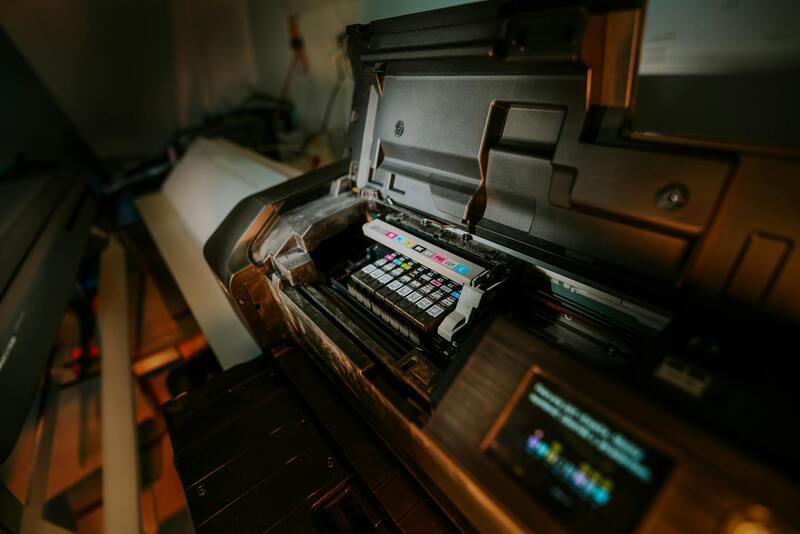
Proper handling of color modes during the design stage reduces discrepancies between the displayed image and the final printed piece. It’s essential to use professional color management tools and calibration techniques to maintain color fidelity. Additionally, color accuracy isn’t solely dependent on the printing process but also on the quality of the inks, papers, and printers used.
Why Color Accuracy Matters
For branding and marketing materials, consistent color reproduction ensures that logos, product images, and graphics maintain their integrity across various media. Misaligned colors can diminish the impact of printed materials and might lead to misinterpretation or reduced brand recognition. That’s why selecting the right printing partner, with advanced technology and skilled operators, is crucial in achieving the precise color outcomes necessary for professional results.
Optimal Color Management Techniques
Achieving precise color reproduction in order color printing hinges on meticulous management of the color workflow. Utilizing professional color management tools, such as color calibration devices and software, ensures that the colors displayed on your monitor closely match the final printed output. When preparing files for print, it is crucial to work within the CMYK color space, which is specifically designed for print media, rather than RGB, which caters to digital screens. This transition minimizes color discrepancies and preserves the integrity of your design’s hues.
Color profiling also plays a vital role. By creating or selecting appropriate color profiles, designers can tailor the print process to specific papers and inks, optimizing color fidelity. Additionally, consistent device calibration, including printers and monitors, ensures that color reproduction remains stable over time, reducing variances across different print jobs.
Color Proofing and Validation
Before committing to large-volume orders, employing color proofing methods verifies how colors will appear after printing. Digital proofs can provide a quick preview, but for high-precision needs, physical proofs—also known as press proofs—are invaluable. These proofs use the same materials and inks as the production run, offering an accurate representation of final colors. Adjustments can then be made to the digital files to align with the desired results, preventing costly reprints and ensuring client satisfaction.
Professional printing services often provide comprehensive proofing options, enabling clients to review and approve color accuracy prior to production. This step minimizes unforeseen deviations and guarantees that the printed material meets expected standards.
Technical Aspects of Color Reproduction
Beyond workflow practices, the quality of the inks and papers significantly influences color appearance. High-quality, pigment-based inks produce vibrant hues with excellent longevity, especially on coated papers designed to enhance color depth. The choice of substrate affects how inks are absorbed and reflected, impacting the overall color rendition. For example, glossy papers tend to produce more vivid colors compared to matte finishes due to their reflective surfaces.
Printer hardware also plays a crucial role. Modern press equipment with high-resolution capabilities and advanced inkjet or toner technology can achieve finer detail and more accurate colors. Regular maintenance and calibration of these machines maintain their performance and color consistency over time.
Color Fidelity in Professional Settings
Consistent color reproduction requires a synergy of precise workflows, specialized equipment, and quality materials. When collaborating with experienced printing providers, clients benefit from expertise in color management and access to state-of-the-art technology. Custom color matching services allow for optimal reproduction of brand-specific hues, ensuring that logos and key visual elements retain their impact across all printed materials.
Cost-effective color printing solutions also incorporate quality control measures, such as spot color matching and ink density adjustments, to fine-tune prints and maintain uniformity. The combination of these strategies results in vibrant, accurate colors that enhance the professionalism and visual appeal of printed products.
Understanding Color Printing
Color printing is a sophisticated process that combines advanced technology, high-quality materials, and meticulous calibration to produce vibrant, accurate images and design elements on various substrates. Unlike monochrome printing, which uses only black ink or toner, color printing incorporates multiple colors, typically cyan, magenta, yellow, and black (CMYK), to create a broad spectrum of hues. This process enables detailed and colorful visuals essential for branding, marketing, and promotional materials.
The fidelity of color reproduction hinges on several key factors, including color management workflows, substrate selection, and print hardware performance. Precise color management involves calibrated equipment and standardized procedures to ensure colors remain consistent across different print jobs and media. Selecting the appropriate substrate, such as coated or uncoated paper, influences how inks or toners are absorbed and reflected, directly impacting the vibrancy and accuracy of the printed colors.
Modern color printing relies on high-resolution digital printers, offset presses, or large-format printing systems, each suited to different project sizes and specifications. These machines are capable of reproducing intricate gradients, subtle tonal variations, and vivid hues when properly maintained and calibrated. Regular upkeep includes monitoring ink or toner densities and ensuring precise alignment, which is vital for maintaining color consistency, especially for complex multicolor designs.
Understanding how color profiles and calibration influence the final printed product is crucial. Color profiles, typically embedded within digital files, guide the printer in reproducing colors accurately in accordance with industry standards. Calibration ensures that the output matches the intended design, which is especially important for maintaining brand consistency and achieving specific color matches.

The interplay between digital file preparation, printer settings, and material quality culminates in a final product that meets exacting standards for color precision. Professionals often utilize proofing processes, creating sample prints to verify color accuracy before proceeding with large runs. These proofs help identify potential issues early, allowing adjustments to ink densities or color profiles to align the print output with the desired visual standards.
In specialized projects like branding or product packaging, achieving consistency in color reproduction across multiple print runs is essential. Standardized color matching protocols and the use of spot colors ensure key visual elements retain their impact, regardless of the printing batch. This meticulous attention to detail guarantees that each printed piece aligns seamlessly with the client’s branding identity, fostering trust and recognition among consumers.
Exploring Official Color Printing Techniques
In the realm of professional printing, mastering the distinct methods of color reproduction is essential for achieving high-quality results that meet diverse client needs. Official color printing techniques encompass a range of processes, each tailored to specific substrate types, design complexities, and output expectations. These methods are grounded in industry standards and utilize advanced technologies and inks, ensuring consistency, precision, and durability.
One of the most prevalent approaches is offset color printing, a process characterized by its use of metal plates and oil-based inks. Suitable for large-volume jobs, offset printing offers exceptional color fidelity and sharpness, making it ideal for corporate branding materials, high-volume flyers, and product packaging. Its ability to maintain color consistency across large runs proves advantageous for businesses seeking uniform output.
Alternatively, digital color printing has gained prominence due to its versatility and rapid turnaround times. Employing digital files directly to the printing device, this method allows for on-demand printing with minimal setup. It supports variable data printing, enabling personalized marketing campaigns and customized product labels. However, ensuring color accuracy in digital printing involves meticulous calibration of machines and adherence to color management protocols.

Beyond offset and digital processes, specialized techniques such as spot color printing enable precise reproduction of specific brand colors using dedicated inks like Pantone® palettes. This approach guarantees that particular hues remain consistent across multiple print runs, crucial for branding and packaging applications.
In some cases, flexographic and gravure printing methods are employed for premium products or large-format applications, especially where durability and high-quality color reproduction are vital. Considerations such as substrate type, ink compatibility, and environmental factors influence the choice of technique, ensuring optimal results are achieved.
Furthermore, adherence to standardized color management systems, including the use of embedded color profiles and calibrated printing hardware, enhances the reliability of color reproduction. Professionals often utilize proofing stages—both digital and printed—to validate color accuracy before proceeding to full-scale production, thus minimizing discrepancies and ensuring alignment with design intent.
In essence, selecting an appropriate color printing method hinges on understanding project requirements, budget constraints, and quality expectations. Official practices involve leveraging industry-grade equipment, premium inks, and rigorous quality checks to deliver consistent, vibrant, and precise color outputs that uphold the integrity of the original design.
Understanding Color Printing
Color printing is a sophisticated process that transforms digital designs into vibrant, high-quality physical outputs. It involves multiple stages of precise color management, reproduction techniques, and quality controls to ensure that the final product accurately reflects the intended palette. To achieve this, professionals rely on a combination of specialized hardware, such as calibrated printers and color management software, alongside standardized color systems like Pantone® or CMYK to maintain consistency across different mediums. This meticulous approach guarantees that colors remain true and vibrant, whether reproducing a logo, detailed artwork, or complex images. Leveraging official color printing methods ensures reliability and high standards, making it the preferred choice for branding, packaging, and marketing materials. Furthermore, the use of high-grade inks and substrates enhances durability and color stability, preventing fading over time and exposure, which is crucial for products subjected to various environmental conditions.

Types of Color Printing Methods
Choosing the appropriate color printing technique depends on the project's scope, desired quality, and budget considerations. Common official methods include:
- Offset Printing: Ideal for large-volume jobs, offset printing delivers sharp, consistent colors with a high level of detail. It employs metal plates to transfer ink onto a rubber sheet, ensuring uniformity across extensive print runs.
- Digital Printing: Suitable for shorter runs or variable data projects, digital printing offers quick turnaround times and precise color reproduction, often utilizing laser or inkjet technologies.
- Flexographic Printing: Used primarily for packaging and labels, flexography employs flexible plates and fast-drying inks, making it suitable for compressible substrates like plastics and foils.
- Gravure Printing: Known for its superior quality in large-scale printing, gravure uses engraved cylinders to produce highly detailed images with consistent color fidelity, making it ideal for high-end packaging.
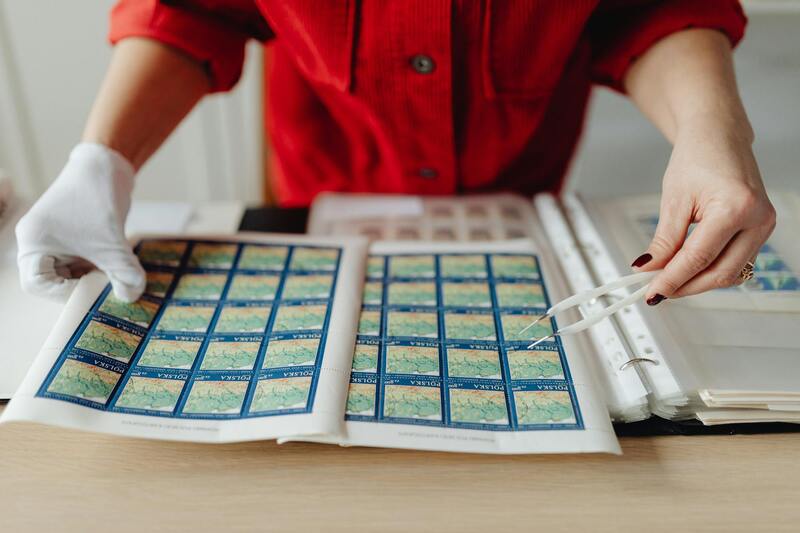
Each method adheres to strict industry protocols, employing high-grade inks and standardized color management systems. Proper calibration and proofing are integral to these processes, confirming that the color output matches the original design intent before engaging in full production. These official practices, supported by rigorous quality checks, help to ensure vibrant, precise, and durable color reproductions across various substrates and formats.
Choosing the Right Color Printing Service
When selecting a professional color printing provider, it is essential to prioritize those employing official processes and industry-leading equipment. This ensures not only high-quality results but also compliance with industry standards that guarantee color accuracy and durability. Several factors influence this decision:
- Experience and Portfolio: Proven experience in handling diverse projects with vibrant color requirements demonstrates capability and reliability.
- Color Management Expertise: Adoption of standardized color profiles, precise calibration, and proofing services to mitigate discrepancies.
- Range of Services: Offering multiple printing techniques suited to varied substrates and project scales ensures flexibility.
- Quality Assurance: Rigorous inspection routines and adherence to established quality procedures safeguard the fidelity of printed colors.
Official methods, including the use of industry-grade printers and certified inks, are critical for maintaining brand consistency and visual appeal. Selecting a service provider that leverages these techniques provides confidence that the final product will meet professional standards, rendering your designs in robust, accurate color schemes that communicate your brand identity effectively.

Design Preparation for Color Printing
Optimal results in color printing begin with meticulous preparation of digital files. To ensure fidelity and minimize errors, designers must adhere to industry-specific guidelines for file formatting, color profiles, and layout specifications. Key considerations include:
- Use of Standard Color Profiles: Embedding appropriate color profiles like Adobe RGB, CMYK, or Pantone ensures consistent color rendering across different devices and printers.
- High-Resolution Files: Preparing artwork at 300 DPI or higher prevents pixelation and maintains sharp details in the printed material.
- Color Separation and Spot Colors: Utilizing spot colors for specific designs can produce more accurate and vibrant hues, especially for brand colors that require precise matching.
- Proofing and Calibration: Conducting digital proofs and test prints allows for adjustments before the final run, reducing costly reprints and ensuring colors match the original vision.
- Design Elements and Substrate Compatibility: Considering the material's texture and color absorption properties can influence the choice of inks and printing techniques, maintaining color vibrancy and adherence.
By following these official design practices, you guarantee that the print output aligns with the original digital design, preserving color accuracy and visual integrity throughout the production process.

Understanding Color Printing
Color printing remains a cornerstone of visual communication, offering vibrant and precise results for a variety of materials. This process involves reproducing full-color images by layering inks onto substrates such as paper, cardstock, or other media. Effective color printing demands adherence to specific standards and practices to achieve consistent, high-quality outcomes. The importance of clarity in color reproduction cannot be overstated, particularly for branding, marketing, and professional presentations where visual impact directly influences perception. By mastering the fundamental principles of color printing, clients can ensure their materials resonate with their target audience and maintain brand integrity across diverse print runs.
Types of Color Printing Methods

- Offset Color Printing: This traditional method employs metal plates to transfer ink onto substrates, excelling in high-volume productions. It provides sharp image quality and color consistency, making it ideal for brochures, magazines, and catalogs where large quantities are required.
- Digital Color Printing: Utilizing digital technology, this method produces high-quality prints with quicker turnaround times and minimal setup. It is suitable for short runs, personalized printing, and projects requiring rapid delivery without sacrificing color fidelity.
- Screen Printing: Often used for printing on irregular surfaces or substrates like fabrics and plastics, screen printing offers vibrant color application with durable, long-lasting results.
- Flexography: Common in packaging, flexography employs flexible plates and fast-drying inks, ideal for labeling, flexible packaging, and large-format printing requiring bold, consistent colors.
- Spot and Pantone Color Printing: This method utilizes predefined spot colors to reproduce exact hues, which is critical for brand consistency and high-precision color matching across different print projects.
Selection Criteria for a Color Printing Method
Choosing the appropriate printing technique hinges on multiple factors including project volume, color accuracy, material type, and budget. Offset printing is cost-effective for large runs demanding uniform quality, while digital printing offers flexibility for shorter orders with high detail requirements. For apparel, signage, or unique media, screen and flexography could be more suitable. When precise brand colors or metallic finishes are needed, spot and Pantone color printing provide reliability and vibrancy. Analyzing these parameters helps in aligning the printing process with the project's goals, ensuring the final product reflects the original design intent with vivid clarity.
Design Preparation for Color Printing

Effective design preparation is fundamental in achieving high-quality color prints. From choosing appropriate color modes to ensuring files are correctly formatted, adhering to best practices minimizes errors and enhances output fidelity. The primary considerations include:
- Color Profiles: Embedding ICC profiles such as Adobe RGB or CMYK ensures that colors are consistently reproduced across devices and in the final print. Proper color management prevents discrepancies between digital designs and printed results.
- High-Resolution Files: Preparing artwork at at least 300 DPI guarantees sharp, detailed images, avoiding pixelation especially for large-format or close-up prints.
- Color Separation and Pantone Colors: For designs demanding specific or brand colors, incorporating spot colors or Pantone references ensures vibrant and accurate hues with minimal variation.
- Proofing and Calibration: Conducting digital proofs and test prints allows for adjustments before the final production, helping to match colors precisely and avoid costly reprints.
- Substrate Compatibility: Considering the material’s texture and absorption qualities influences ink choices and application techniques, maintaining color vibrancy and adhesion.
Building on these design standards enables a seamless transition from digital concepts to physical prints, preserving the integrity of colors and details throughout the process.
Balancing Design and Material Choices
Achieving optimal color results also depends on selecting the right substrate and finishing techniques. Matte, gloss, or textured papers can significantly influence color vibrancy and clarity. Designers should consider the end-use, environment, and durability requirements when preparing artwork for print, ensuring that the final product effectively communicates the intended message with striking visual appeal.
Effective Strategies for Order Color Printing with S7Printing
When seeking high-quality color printing services, understanding the official methods for placing an order ensures that your project is executed efficiently and accurately. S7Printing.com offers a streamlined process that emphasizes transparency, professionalism, and adherence to established industry standards. From the initial design submission to final delivery, each step is designed to uphold quality and client satisfaction, making it a reliable choice for diverse printing needs.
Step 1: Preparing Your Digital Files
Proper preparation of digital artwork is a foundational aspect of successful color printing. It begins with ensuring your files are in the correct format—typically high-resolution PDFs, TIFFs, or PSD files—optimized for printing. Maintaining a minimum resolution of 300 DPI preserves image sharpness, especially for large-format or detailed designs. Additionally, embedding color profiles, such as Adobe RGB or CMYK, guarantees consistent color reproduction across devices and during the printing process. For designs that demand specific hues or brand consistency, incorporating Pantone spot colors is an essential measure, allowing for precise color matching that minimizes variation.
Color Management and Proofing
Implementing color management protocols ensures that digital colors match the final printed product. Digital proofs or soft proofs provide an initial visualization of how colors will appear post-production, enabling adjustments before committing to a full print run. Test prints or color calibration sheets further verify accuracy, preventing costly reprints. Substrate selection, considering ink absorption and texture, also influences color vibrancy—smooth, coated papers tend to deliver more vivid and consistent hues compared to matte or textured materials.
Step 2: Submitting Your Order
The ordering interface on S7Printing.com is designed for ease and clarity. Clients can upload high-resolution files directly through the website, specify the quantity, select substrate options, and choose finishing techniques such as gloss, matte, or textured coatings. During checkout, detailed instructions and specifications can be provided, ensuring that the printing team receives comprehensive information for optimal results. It is advisable to double-check all parameters, including color preferences, dimensions, and quantity, before final submission.
Step 3: Confirmation and Quality Control
Once an order is placed, the printing service conducts an initial review to confirm that files meet all technical standards. Sample proofs, either digital or physical, are often provided for client approval. This step is vital in verifying that colors, layout, and overall quality align with expectations. Final quality checks include assessing color consistency, alignment, and the integrity of the substrates used. Any discrepancies detected at this stage are addressed before proceeding to mass production, thereby maintaining high standards of output.
Step 4: Production and Delivery
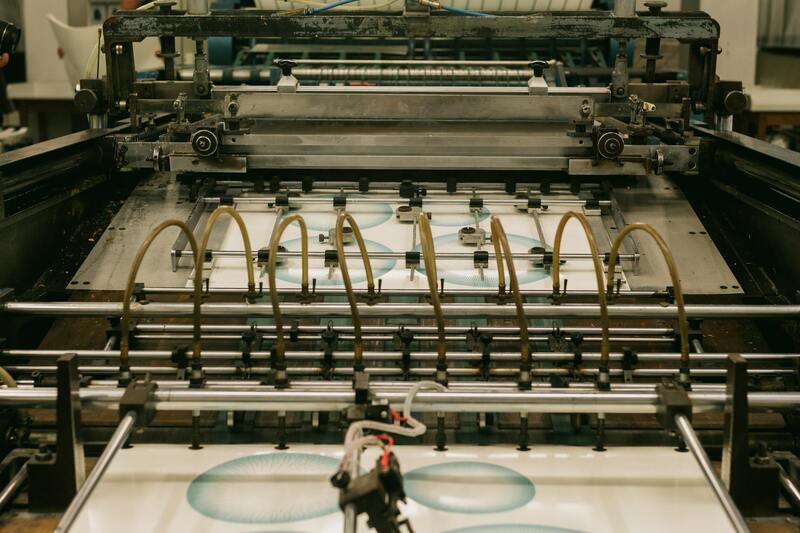
With approval secured, the order advances to the production phase, where advanced printing technology ensures precision and color fidelity. S7Printing employs state-of-the-art digital and offset presses calibrated regularly to uphold color accuracy standards. Following production, a rigorous inspection confirms adherence to the specified requirements. The final product is then packaged carefully to prevent damage during transit. Efficient logistics partnerships facilitate prompt delivery according to specified turnaround times, ensuring clients receive their color-printed materials on schedule.
Best Practices for Ensuring Quality and Accuracy
- Provide high-resolution files with embedded color profiles.
- Consult with the printing service on substrate and coating options to achieve desired color vibrancy.
- Request and review digital proofs to confirm color accuracy before approval.
- Use standardized color references like Pantone for critical branding requirements.
- Ensure all design elements are properly aligned and scaled according to specifications.
- Communicate any special instructions clearly and in advance.
Adopting these practices enhances the likelihood of achieving consistent, vivid, and accurate color results that effectively communicate your intended message.
Ensuring Accurate Color Reproduction through Official Methods
To achieve precise and vibrant color results in your printing projects, it is essential to rely on recognized and validated methods of order color printing. Professional printing services utilize standardized procedures such as the use of calibrated digital presses, precise color management workflows, and adherence to industry standards like Pantone matching systems. These techniques enable consistent reproduction of colors across multiple print runs and media types, ensuring your branding and visual assets appear exactly as envisioned.
Utilizing official color matching tools, such as color swatch libraries and digital proofing platforms, allows clients to verify and approve colors prior to the commencement of mass printing. This process minimizes discrepancies, prevents costly reprints, and guarantees that the final output meets your specifications. Moreover, the implementation of proofing systems—such as digital proofs or press checks—serves as a final validation step, allowing adjustments before full-scale production begins.
Choosing a Certified Printing Provider
When selecting a printing partner for your color printing needs, it is vital to confirm their compliance with industry standards and their commitment to quality assurance. Certified printing providers invest in advanced calibration equipment and employ trained personnel proficient in color management techniques. Such providers are equipped to handle complex projects involving Pantone color matching, metallic inks, or specialty finishes, thereby delivering consistent and high-quality results.
Furthermore, a reputable service provider will communicate transparently about their process, offering detailed quotations based on the scope of work, materials used, and turnaround times. They should also provide sample swatches or digital proof samples for your review and approval, ensuring satisfaction before proceeding.
Official Documentation and Verification
Official documentation, including detailed color specifications, calibration reports, and proof approvals, forms an essential part of the order process for color printing. These records serve as verification of the agreed-upon standards and aid in resolving any discrepancies should they arise during or after production.
Clients are encouraged to retain copies of all correspondence, proofs, and specifications related to their print orders. This record-keeping enhances transparency, facilitates quality control, and provides a reliable reference point for future projects or reprints.

Implementing Proper Workflow and Quality Checks
Engaging in a structured workflow that incorporates pre-print validation, real-time monitoring, and post-print inspection safeguards against color inconsistencies. Professional printers utilize quality control checkpoints throughout the production process, ensuring colors remain true to the approved proofs. Final checks often involve visual inspections under standardized lighting conditions and color measurement devices to verify conformance to client specifications.
Clients should be involved in the review process, requesting digital or physical color samples for final approval. Clear communication of any adjustments needed will help in achieving the desired outcomes and avoiding costly errors.
Ultimately, leveraging official, validated methods for order color printing assures that your printed materials will reflect your branding accurately, exhibit vivid colors, and maintain consistency across all copies. This approach not only enhances your visual communication but also reinforces the professionalism and reliability of your brand.