Understanding Color Printing Cost In Singapore: Factors And Pricing Strategies
Introduction to Color Printing Cost
Understanding the intricacies of color printing cost is essential for both individuals and businesses aiming to optimize their printing budgets. In Singapore, the expense associated with color printing can significantly influence procurement decisions, especially when producing marketing materials, reports, or personal projects. The cost encompasses more than just the price per page; it includes factors such as technology, material quality, and service provider pricing structures. By dissecting what contributes to the overall expense, stakeholders can make informed choices that balance quality with affordability.

For personal users, a clear grasp of color printing costs allows for better budget management when printing photographs, invitations, or creative projects. Meanwhile, companies often deploy color printing strategically within their marketing campaigns, making escalated costs a key consideration. The ability to quantify and anticipate expenses ensures that printing activities align with financial plans and business objectives, thereby maintaining cost efficiency without compromising on the visual impact or quality.
In Singapore, the competitive market for printing services encourages providers to offer transparent pricing structures, which aids customers in evaluating options. Also, recognizing how fluctuations in printing costs can affect overall expenditures is crucial for making cost-effective decisions in both small-scale tasks and large-volume productions. This knowledge empowers decision-makers to choose suitable printing methods, vendors, and technologies that best meet their specific needs, whether for everyday document printing or high-end marketing materials.
By exploring the various factors influencing color printing costs and the pricing models adopted within the industry, users can identify opportunities for savings. As the demand for vibrant, high-quality prints continues to grow, understanding the nuances of printing expenses becomes ever more vital to managing resources effectively and achieving desired outcomes efficiently.
Understanding How Color Printing Costs Are Calculated
Determining the cost of color printing involves multiple factors that influence the overall expense per page or project. These components encompass the type of printer used, the chosen materials, ink or toner consumption, and volume discounts. Recognizing these elements helps businesses and individuals plan budgets effectively while ensuring high-quality output without overspending.
Printer Technology and Its Effect on Cost
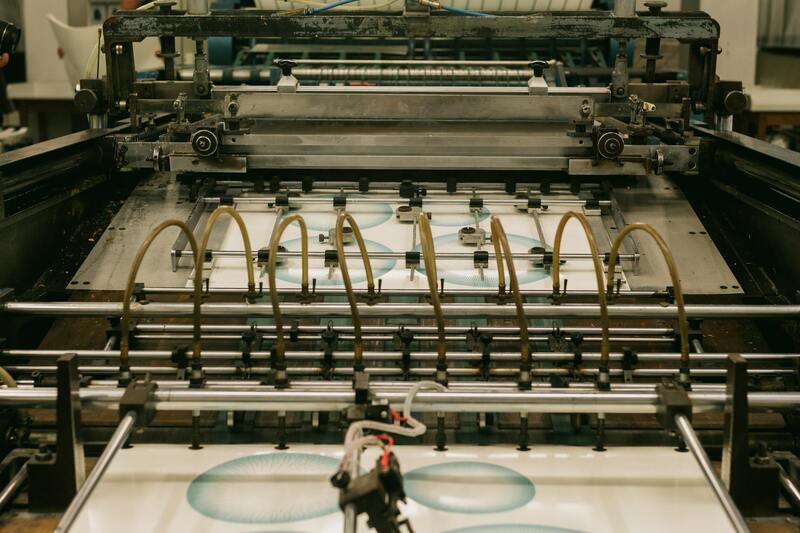
The technology behind the printer significantly impacts color printing costs. Inkjet printers, often favored for their vibrant color reproduction, tend to have higher per-page costs due to the expense of ink cartridges and their limited duty cycle. Conversely, laser printers, particularly models designed for high-volume printing, offer more economical options in the long run, especially for sizable batches of color prints. Nonetheless, the initial investment cost and maintenance fees should also be considered when assessing overall expenses.
Material Selection and Its Impact
The printing medium plays a crucial role in determining costs. Premium papers, specialized inks, or coatings designed to enhance durability and color fidelity come at a higher price point. For instance, glossy or matte cardstocks that improve visual appeal cost more than standard paper. Additionally, the quantity of material used, whether in small batches or bulk orders, influences the unit price, allowing for potential savings with larger volume orders.
Color Quality and Printing Resolution
The desired quality level and resolution directly affect color printing expenses. Higher resolution images demand more precise ink deposition, increasing ink or toner usage and prolonging printing time. The selection of color profiles and color matching processes also contribute to cost variations, especially when exact color reproduction is critical for branding or marketing purposes.

Volume and Frequency of Printing
Cost efficiency improves when printing in larger volumes, as many service providers offer tiered pricing or discounts for bulk orders. Conversely, small or infrequent print jobs typically incur higher per-page charges due to setup and material costs that are distributed over fewer prints. For ongoing projects, establishing a consistent volume threshold can help optimize overall expenditure.
Service Provider Pricing Structures
Pricing models among printing service providers vary, with some adopting flat rates, while others charge based on page counts, color complexity, or finishing services. Transparent quotes should itemize each component, enabling a clear understanding of how costs accumulate. Additionally, value-added options such as lamination, binding, or special finishing are generally priced separately and can considerably elevate total expenses.
Additional Cost Factors
- Turnaround Time: Rapid delivery services often come with premium charges.
- Location and Accessibility: On-demand printing at central or remote locations influences transportation and handling costs.
- Environmental Factors: Eco-friendly materials and processes might attract higher prices upfront but contribute to sustainability goals.
By thoroughly analyzing these factors, stakeholders gain a comprehensive view of how their choices impact overall color printing costs. This understanding enables more strategic decision-making, balancing quality, speed, and budget constraints effectively.
Understanding the Components of Color Printing Expenses
Accurately assessing the color printing cost necessitates an understanding of its primary components. These include the cost of consumables, the use of specialized equipment, and additional post-printing services. Each element contributes to the overall expenditure and is influenced by specific factors that vary among providers.

Consumables and Materials
The most significant factor impacting color printing expenses is the type and quality of consumables utilized. High-quality, vibrant color inks and toners are often priced higher than their black-and-white counterparts. Moreover, the use of eco-friendly or specialty media, such as textured papers or waterproof materials, can further elevate costs. These materials are chosen based on project requirements, durability expectations, and visual appeal, but they inherently influence the overall price.
Equipment and Technology
The selection of printing technology plays a crucial role in determining costs. Digital presses equipped with advanced color management features tend to produce superior outcomes but are associated with higher operational costs. The complexity of the printer, including its speed, resolution, and capacity for handling various media sizes, also impacts the per-page cost. Larger or more versatile machines often require substantial initial investment, which is reflected in the service pricing structure.
Labor and Setup
Labor charges encompass prepress preparation, calibration, and color proofing. Precise color matching and quality assurance processes add to the cost but are essential for professional and consistent results. The setup process, especially for custom jobs or complex designs requiring multiple adjustments, can be time-consuming and thus influence the overall expenses. Established printing service providers often factor in these labor costs within their pricing models to maintain efficiency without compromising quality.
Finishing and Post-Processing
Additional finishing options such as lamination, binding, folding, and mounting are typically billed separately. For instance, lamination not only protects the printed media but also entails material and labor costs. Binding methods like saddle stitching or perfect binding require specialized equipment and additional materials, which contribute to the final price. These value-added services are selected based on the end-use of the printed material and desired durability, impacting the total cost accordingly.
Volume and Frequency of Printing
Economies of scale significantly influence cost efficiency. Bulk orders tend to lower the per-unit cost since setup and material procurement are spread over larger quantities. Conversely, small or infrequent print jobs often incur higher per-page charges due to fixed costs associated with setup and material wastage. For ongoing projects, establishing a consistent volume can optimize expenditure and leverage volume discounts offered by service providers.
Location and Delivery Logistics
The geographical proximity of the printing facility affects costs related to transportation and handling. On-demand print jobs at remote locations or at clients’ premises may involve premium charges for delivery and setup. Additionally, some providers offer on-site printing services at additional fees, which can be beneficial for large-scale or urgent orders but will influence the total expense.
Environmental Considerations and Sustainability
Utilizing eco-friendly inks, sustainable papers, or energy-efficient machines might result in higher initial costs. However, these choices contribute to environmental conservation and corporate sustainability goals. Many service providers incorporate such options as value-added services, allowing clients to balance cost with environmental responsibility.
Estimating the Total Color Printing Cost
To accurately estimate the total cost, clients should request detailed quotes that itemize each component. This transparency enables an understanding of cost drivers and facilitates informed decision-making aligned with project budgets. When comparing providers, it is essential to consider the balance between quality and expense, especially when high-fidelity color reproduction is critical to the application.
Understanding the Components of Color Printing Cost
Color printing involves a range of specific expenses that contribute to the final cost a client incurs. Recognizing these components enables businesses and individuals to make more informed decisions when selecting a printing service. The key cost drivers include consumables such as inks and toners, paper quality, and machine-related maintenance and amortization. Additionally, administrative overheads, setup fees, and any supplementary services like finishing or special coatings can significantly influence the overall expense.

Consumables: Ink, Toner, and Paper
One of the primary contributors to color printing cost is the use of colored inks or toners. These specialized consumables are more expensive than their monochrome counterparts due to their complex formulation and the need for precise color calibration. The type of ink—dye-based or pigment-based—also affects costs, with pigment inks typically offering longer-lasting, more vibrant results but at a higher price.
Similarly, paper quality impacts costs. High-grade, glossy, or specialty papers designed for high-resolution images and vibrant colors tend to be more costly than standard paper stock. For projects requiring larger print volumes or premium finishes, the cumulative expenses of consumables can constitute a significant portion of the total cost.
Machine Maintenance and Depreciation
Color printers demand regular maintenance to ensure optimal performance and color accuracy. This includes the replacement of nozzles, cleaning cycles, and calibration procedures. Service providers often factor these costs into their pricing structure. Moreover, high-end commercial-grade models entail upfront investments that are amortized over their lifespan, indirectly influencing cost calculations. The frequency of usage and the complexity of print jobs also impact wear and tear, affecting ongoing maintenance expenses.
Additional Cost Elements
- Setup Fees: For large or complex projects, initial setup—such as color profiling and calibration—may incur an upfront charge. Such fees are more prevalent for jobs requiring precise color matching or multiple media types.
- Finishing Services: Applications like lamination, binding, or cutting can add to the overall cost but are often necessary for professional presentation or durability.
- Environmental and Sustainability Options: Eco-friendly inks, recycled paper, or energy-efficient machinery may carry elevated costs but align with sustainability commitments.
Impact of Volume and Project Specifications
Print volume plays a crucial role in cost determination. Higher volumes typically benefit from volume discounts, reducing the unit price for each page. Conversely, smaller or one-off projects tend to have higher per-unit costs due to setup and minimal production efficiencies. The complexity of the colors, the resolution needed, and the size of the print media are also key factors influencing cost variation.
Visualizing Cost Breakdown for Better Planning
Effective cost management begins with understanding how each element contributes to the total. A detailed quote from the service provider should itemize expenses associated with inks, paper, labor, and any additional services. This transparency ensures that clients can balance their budget constraints with desired quality and finish requirements, ultimately making strategic decisions that best serve their project outcomes.
Analyzing the Cost Factors Unique to Color Printing
Understanding the various components that influence the cost of color printing is essential for making informed decisions that balance quality and budget. Unlike black and white printing, which relies on a single toner or ink type, color printing involves multiple ink colors—cyan, magenta, yellow, and black (CMYK)—each contributing to the overall expense. The calibration and maintenance of high-fidelity color printing equipment are also more complex, often requiring specialized calibration tools and processes that add to operational costs.
In addition to the basic ink costs, other elements significantly impact total expenses. These include the type and quality of printing media chosen; for example, premium photo papers or textured materials tend to be more costly than standard paper. Finishing processes such as laminating, coating, or precise cutting further extend the overall budget, especially when high-quality presentation is needed. Moreover, eco-friendly options like recycled paper or vegetable-based inks, while environmentally beneficial, typically come at a premium compared to conventional materials and processes.

Influence of Project Specifications and Environmental Choices
Project specifications such as print size, resolution, and complexity directly affect color printing costs. Larger formats and higher resolutions demand greater ink usage and more precise calibration, thus increasing expenses. Additionally, detailed, multi-color images or designs with fine gradients may require longer setup times and higher ink consumption, contributing to elevated costs.
Furthermore, sustainability preferences can influence pricing. Utilizing eco-friendly inks and recycled papers might increase your initial investment but align with your company's green initiatives. These options are particularly appealing for branding and marketing projects, where environmental accountability resonates well with target audiences.
Visualizing Cost Breakdown for Effective Planning
To optimize budget allocation, it is beneficial to request detailed quotations that itemize each expense. An effective cost breakdown typically includes charges for inks, media, labor, finishing services, and any environmental options selected. By comparing these components, clients can identify areas where adjustments might lead to cost savings without compromising on quality.

Practical Tips for Cost Management in Color Printing
- Opt for standard media sizes instead of custom cuts to minimize waste and setup time.
- Limit the use of high-cost finishes unless absolutely necessary for the project's professional presentation.
- Coordinate color schemes and images to reduce the need for complex calibration and multiple color passes.
- Consider batch printing to leverage volume discounts, especially for large projects.
- Discuss eco-friendly options at the planning stage, as they might provide cost-effective sustainability solutions.
By having a clear understanding of the cost elements and applying strategic choices, organizations can effectively manage their color printing expenses while achieving high-quality results that meet their branding standards and project demands.
Understanding the Cost Structure in Color Printing
When evaluating the color printing cost, it's essential to dissect the various components that contribute to the overall expense. This detailed understanding allows for better budget planning and process optimization. Typically, the cost structure includes charges for inks, media types, labor, finishing processes, and additional services such as eco-friendly options or special coatings.
Inks and Color Management
Color printing relies heavily on the type and volume of inks used. High-quality, vibrant inks demand higher costs but are necessary for projects requiring precise color accuracy and durability. The number of color passes during printing also influences costs; complex images with multiple color layers require more time and ink, thereby increasing expenses. Proper color management and calibration can ensure consistency and reduce waste, leading to cost efficiency.
Media and Materials
The choice of media, such as glossy, matte, or textured papers, significantly affects the printing cost. Premium materials intended for high-end marketing collateral or displays tend to be more expensive but offer superior visual impact. Similarly, larger or custom-sized media increase material expenses. Selecting appropriate media for the project's purpose ensures cost-effectiveness without sacrificing quality.
Labor and Workflow
Labor costs are associated with preparing files, setting up machines, and quality control checks. Automated workflows can reduce labor time, thereby decreasing overall costs. Investing in efficient digital printing systems minimizes manual interventions, leading to faster turnarounds and reduced personnel expenses.
Finishing Techniques and Special Effects
Additional finishing options, such as lamination, embossing, or die-cutting, add to the total cost. While these enhancements elevate the final product, selecting only necessary finishing can optimize the budget. For instance, opting for simple folding or trimming over complex die-cuts saves costs without compromising on the presentation.
Environmental and Eco-Friendly Practices
Sustainable printing practices, including the use of soy-based inks or recycled media, might influence costs differently depending on supplier agreements. While some eco-compatible options may carry premium prices, they can sometimes reduce long-term expenses associated with waste management and energy consumption.
Placeholder for Image
Understanding these individual components enables organizations to make informed decisions that balance quality expectations with budget constraints. By analyzing where costs are concentrated, such as ink usage or finishing services, clients can identify opportunities to optimize their color printing projects and achieve the desired visual impact more efficiently.
Understanding the Components of Color Printing Cost
Accurately estimating the cost of color printing requires a comprehensive understanding of various components that contribute to the final expense. Each element, from ink usage to machine operation, plays a vital role in determining the overall price. Familiarity with these components allows businesses and individuals to better manage their budgets and make informed decisions when planning their printing projects.
Primary Cost Factors
- Ink and Toner Usage: Color printing consumes more ink than black-and-white printing, especially when high-quality, vibrant colors are involved. The amount of ink used directly correlates with the number of pages printed, with saturation, color complexity, and coverage percentage being key influencers.
- Printer Type and Technology: Digital printers, offset presses, and high-end wide-format printers each have different operational efficiencies and maintenance costs. More advanced systems typically deliver better quality but may involve higher initial investments and consumable costs.
- Media and Paper Quality: The choice of media, such as glossy, matte, or specialty papers, impacts the cost. Higher-quality or specialty media often comes at a premium, especially when used in large quantities.
- Color Management and Calibration: Maintaining consistent color output requires calibration and color management, which may involve additional processes or software, contributing to overall costs.
- Finishing and Post-Processing: Techniques like lamination, coating, die-cutting, or embossing can enhance visual appeal but also add to the cost, depending on complexity and quantity.
Other Considerations
Environmental practices and sustainable sourcing of inks and media might influence costs, especially if eco-friendly options are preferred. Additionally, volume discounts can significantly alter unit costs, making bulk printing more economical for large projects.

Strategies to Manage and Optimize Costs
Implementing effective management strategies can help control expenses without compromising on quality. These include limiting full-color printing to essential pages, choosing cost-effective media options, and leveraging printing volume discounts when possible. Utilizing digital workflows and automated processes can also reduce labor costs and improve efficiency in high-volume environments.
By understanding the individual components that influence color printing costs, users can make more strategic choices—balancing quality, budget, and project timelines—with confidence. Proper planning and informed decision-making ensure that color printing projects meet their visual and financial objectives efficiently.
Comprehensive Overview of Color Printing Cost Components
Understanding the detailed elements that comprise the final cost of color printing allows businesses and individuals to make informed decisions. The base price typically covers the printing process itself, which involves high-precision equipment capable of reproducing complex color gradients and vivid images. Additional factors such as the choice of media and finishing processes also influence the total expenditure. For example, specialty papers or textured media might elevate costs due to their manufacturing intricacies and limited availability.
Material and Media Costs
Materials form a significant portion of color printing expenses. Standard media like glossy or matte paper are generally more cost-effective, but opting for premium substrates such as canvas, synthetic papers, or eco-friendly options can substantially increase costs. The media's quality and finish not only affect the aesthetic appeal but also impact the durability of the print, which is critical for marketing materials, displays, or archival purposes.
Inks and Consumables
- High-quality color inks are essential for achieving sharpness and vibrancy, often priced based on pigment composition and longevity.
- Color management requires precise mixing and calibration, further influencing ink consumption and cost. The use of specialized ink sets, such as metallic or white inks, introduces additional charges due to their complexity and limited availability.
- Consistent ink supply and proper maintenance of printing equipment help prevent waste, indirectly affecting overall costs.
Labor and Processing Costs
Labor costs involve pre-press preparations, such as digital file adjustments, color corrections, and proofing. Higher complexity designs or tight deadlines can lead to increased labor charges. Post-processing activities like lamination, coating, die-cutting, embossing, or mounting significantly elevate the final price, especially when customized or produced in small quantities. These finishing touches enhance visual impact and durability but require specialized equipment and skilled labor, contributing further to overall expenses.
Equipment Usage and Overheads
Utilization of high-end printers, which support advanced color profiles and high-resolution output, comes with operational costs. Equipment maintenance, calibration, and periodic upgrades are factored into the price structure. Large-volume printing presses offer economies of scale, reducing per-unit cost, whereas small-run or bespoke jobs tend to be more expensive on a per-piece basis due to setup and operational overheads.
Sustainable and Eco-Friendly Practices
Committing to environmentally conscious printing methods can influence costs. Eco-friendly inks, recycled media, and energy-efficient equipment might carry higher initial expenses, but they contribute to sustainable practices. Such options are increasingly preferred for branding and corporate responsibility initiatives, making understanding their cost implications vital for budget planning.
Volume and Bulk Discounts
Order quantity heavily impacts pricing. Bulk printing yields lower unit costs through volume discounts, which can result in significant savings for large projects. Conversely, small quantities usually attract premium rates due to setup and handling charges. Planning ahead for anticipated quantities enables better negotiation and cost management, optimizing the overall color printing expenditure.