Guide To Photo Banner Printing: How To Choose, Design, And Use Large-Scale Images
Understanding Photo Banner Printing
Photo banner printing is a specialized large-format printing process that transforms high-resolution images into vibrant, durable banners suitable for both indoor and outdoor displays. This method involves the transfer of digital images onto a variety of materials, most commonly vinyl, to create eye-catching visuals that can be used for advertising, promotional events, or decorative purposes. The primary goal of photo banner printing is to produce high-quality visuals that capture attention from afar, ensuring your message or imagery leaves a lasting impact.
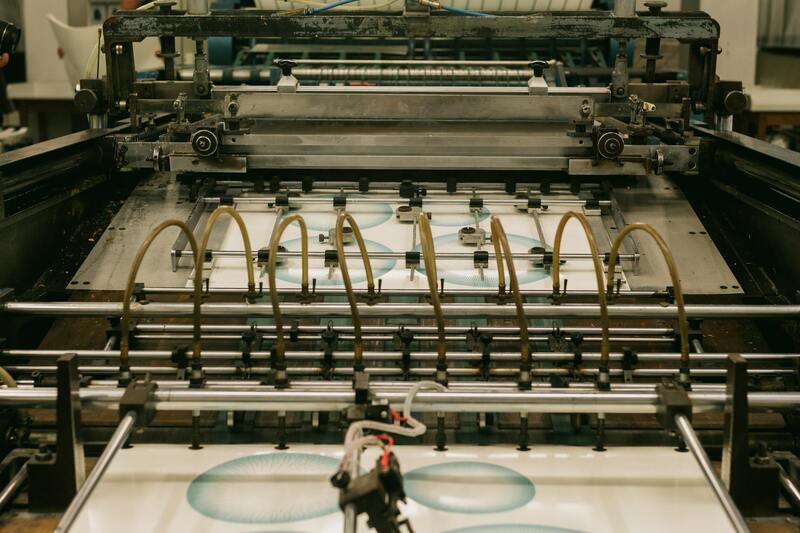
Photo banners are ideal for various applications, including trade shows, storefront promotions, outdoor events, and personal celebrations. The effectiveness of a banner is largely dependent on the quality of the printed images. High-resolution images with sharp details and accurate color reproduction are essential elements for creating compelling banners. When properly printed, these large-format visuals can dramatically enhance brand visibility, convey complex messages with clarity, and pique interest among viewers.
Professional photo banner printing ensures that every detail— from color gradations to fine lines— is preserved during the printing process. This precision is crucial whether you're displaying a promotional product, showcasing a professional photograph, or creating a backdrop for an event. The use of advanced printing technologies, such as UV or solvent printing, further enhances image durability and color vibrancy, making banners suitable for prolonged outdoor use.
In addition to visual impact, the quality of the printing process contributes to the longevity and resilience of the banner. High-quality inks and materials resist fading, tearing, and weather-related damage, which is vital for banners that will be displayed outdoors for extended periods. This ensures that the image remains sharp and eye-catching from installation until removal.
Choosing the right photo banner printing service involves assessing the print quality, material options, and finishing capabilities offered by the provider. Reputable printing companies employ professional-grade printers and materials that adhere to strict standards for color accuracy and durability. When selecting images for printing, it is essential to provide files in the correct format and resolution—usually at least 150 DPI at the final print size—to guarantee the best results.
Understanding the process of photo banner printing and its capabilities helps you leverage this platform effectively for your marketing and branding efforts. Whether for a large outdoor advertisement or an indoor decorative piece, high-quality photo banners are a powerful visual tool that communicates your message clearly and professionally.
Understanding Photo Banner Printing
Photo banner printing has become a vital component of modern marketing and event decoration, offering a versatile solution to display high-resolution images across various environments. The process involves transferring your chosen photograph onto durable materials using advanced printing techniques that ensure vibrant color reproduction and sharp imagery. This method makes photo banners a popular choice for outdoor advertising, trade shows, corporate branding, and personal celebrations.
To achieve optimal results, reputable printing providers employ high-end equipment such as UV and solvent printers, which facilitate precise color matching and detailed image reproduction. These technologies utilize specialized inks designed to withstand environmental stressors like UV rays, moisture, and temperature fluctuations. As a result, the printed banners maintain their visual impact over time without significant fading or deterioration, even under prolonged exposure to outdoor elements.
Providing files in the correct format and resolution is crucial for achieving top-tier print quality. For most large-format banners, a minimum of 150 DPI at full size is recommended. This ensures clarity and sharpness in the final product, preventing pixelation or blurriness. Working with a professional printing firm also involves understanding their specifications for file formats, color profiles, and bleed areas, which collectively contribute to a precisely finished banner.
Advancements in Printing Technologies
Modern photo banner printing leverages innovations such as latex and eco-solvent inks, which offer environmental benefits alongside superior print quality. These inks are compatible with a variety of materials and provide excellent color accuracy, making it possible to produce banners that are both visually striking and environmentally responsible. Additionally, digital printing methods allow for quick turnaround times and customizable designs—features that enhance the flexibility and responsiveness of printing services.
Durability and Material Compatibility
The choice of material significantly impacts the durability and applicability of photo banners. Vinyl remains the most common, especially for outdoor use, due to its resistance to wind, water, and UV rays. Fabric banners, often made from polyester or mesh, are preferred for indoor settings or events requiring a softer aesthetic and greater foldability. PVC banners provide a budget-friendly option with comparable outdoor resilience. When selecting a material, it’s essential to consider the specific conditions where the banner will be displayed and the longevity required.
High-quality finishing options such as hemming, grommets, wind slits, and matte or gloss lamination help improve the banner's longevity and ease of installation. These enhancements protect the printed surface from wear and tear during handling or outdoor exposure, ensuring that your visual message remains captivating and clear over time.
Cost Implications and Quality Considerations
Cost can vary based on material selection, banner size, and complexity of design. Despite budget considerations, investing in high-quality printing and durable materials guarantees a professional appearance and sustained performance. It’s advisable to choose a service that uses state-of-the-art printers and premium inks, as this guarantees not just an attractive presentation but also a resilient product capable of withstanding environmental stresses.
Understanding Photo Banner Printing
Photo banner printing is a specialized form of large-format printing that transforms your high-resolution photographs into vibrant, eye-catching displays suitable for a variety of applications. This process involves transferring digital images onto durable materials using advanced printing technologies, ensuring the final product maintains clarity, color accuracy, and visual impact at sizable dimensions.
The core of effective photo banner printing lies in the precise reproduction of photographic details on a large scale. High-resolution images—ideally with a resolution of at least 150 dpi at the final printed size—are essential to retain sharpness and detail. The printing process utilizes wide-format printers equipped with specialized inks, such as solvent, eco-solvent, UV-curable, or latex inks, chosen based on the intended use and durability requirements.
During the printing process, color management plays a vital role. Accurate color profiles, calibrated screens, and high-quality inks work together to ensure that the printed banner closely matches the original digital image in tone and vibrancy. This meticulous attention to detail guarantees that the final product accurately reflects the intended message or aesthetic, making photo banners a powerful tool for branding, advertising, or personal expression.
Moreover, photo banner printing offers significant flexibility in design. It allows for diverse customization options, such as incorporating text, graphics, or multiple images into a cohesive layout. The ability to print on various materials further expands the potential applications, ranging from outdoor advertising to indoor event displays.
Proper Resolution and File Preparation for Stunning Results
To achieve an impeccable quality in your photo banner printing, it is essential to start with high-resolution images. A minimum resolution of 300 DPI at the final print size is recommended to ensure sharpness and avoid pixelation. When preparing your artwork, use the RGB color mode, which aligns with the digital nature of printing devices, providing more accurate color reproduction. Files should be saved in widely accepted formats such as TIFF or PDF, which preserve image quality and support high-resolution data.
Including bleed margins—typically around 0.125 inches—to your artwork ensures that no unprinted edges appear after the trimming process. It's advisable to avoid placing important text or focal points too close to the edges; maintaining a safe margin of at least 0.25 inches prevents accidental cropping. Additionally, preparing layered or vector-based files simplifies color adjustments and ensures scalability without loss of quality.
Color Management and Proofing
Proper color management during the design process is vital to get the desired visual impact. Creating a color-accurate proof or mock-up can help visualize the final appearance, especially when working with complex images that require precise color fidelity. Requesting a physical sample or a digital proof from the printing provider allows for adjustments before the production run, reducing the risk of mismatched expectations.
Design Considerations for Visual Impact
When designing your banner, focus on clarity and composition. Use bold, easily readable fonts and high-contrast colors to enhance visibility from a distance. Incorporate images that have been shot or edited at high resolution, ensuring they retain detail at large scales. Simplicity in your message and balance in layout contribute to effective communication, making your banner stand out reliably in various environments.
By adhering to these technical standards and design practices, you maximize the potential for a professional and impactful photo banner that fulfills your promotional or decorative needs seamlessly. Collaborating with a reputable printing service ensures the technical specifications are met, resulting in a finished product that is visually stunning and long-lasting.
Understanding Size and Resolution Requirements for Photo Banner Printing
When selecting the appropriate size for a photo banner, several key considerations ensure your visual message is impactful and professional-looking. Firstly, assess the intended viewing distance: larger banners meant for distant viewing, such as outdoor advertisements or billboards, benefit from high-resolution images that remain sharp from afar. Conversely, indoor displays viewed at close quarters can accommodate smaller resolutions without compromising clarity.
Another essential factor involves the physical dimensions of the banner itself. Common sizes such as 3x6 feet or 4x8 feet serve typical indoor and outdoor applications, but custom dimensions can be tailored to fit specific space requirements. It’s crucial to match the aspect ratio of your final print to the digital artwork to avoid distortion or cropping issues.
Resolution plays a significant role in achieving a crisp, detailed image. For large-format prints like photo banners, a minimum of 150 DPI at full size is recommended. For instance, an image intended for a 4-foot wide banner should ideally have a pixel dimension of at least 1800 pixels in width at 150 DPI to maintain clarity. Higher resolutions, such as 300 DPI, are ideal but often unnecessary for large banners viewed from a distance, which can tolerate lower DPI without losing visual quality.
Ensuring that your digital files meet these size and resolution standards helps prevent pixelation and blurriness once printed. When in doubt, consult with your printing provider—such as s7printing.com—who can advise on the best file specifications based on your chosen banner dimensions and intended display environment.
Practical Advice for Selecting Banner Sizes Based on Application
- Outdoor Advertising: Opt for larger dimensions like 6x12 feet or bigger, optimizing readability from long distances.
- Indoor Displays: Smaller sizes such as 2x4 feet or 3x5 feet work well for trade shows, retail signage, or event backdrops.
- Specialty Uses: Custom-sized banners tailored to specific locations or installations ensure seamless integration with existing decor or structures.
Always consider the environment where the banner will be installed and the typical viewing range. Proper sizing combined with high-resolution imagery guarantees your promotional message remains striking and effective, whether it’s placed at a bustling trade show or an outdoor event.
Understanding Photo Banner Printing
Photo banner printing is a specialized service that transforms high-resolution digital photographs into large-format visual displays used for diverse promotional, decorative, or informational purposes. This process involves printing images on durable materials suitable for both indoor and outdoor environments, ensuring that the vibrancy and clarity of the original photograph are maintained at a larger scale. When executed with precision, photo banners can significantly enhance brand visibility at trade shows, attract attention to storefronts, or serve as impactful backdrops at events.
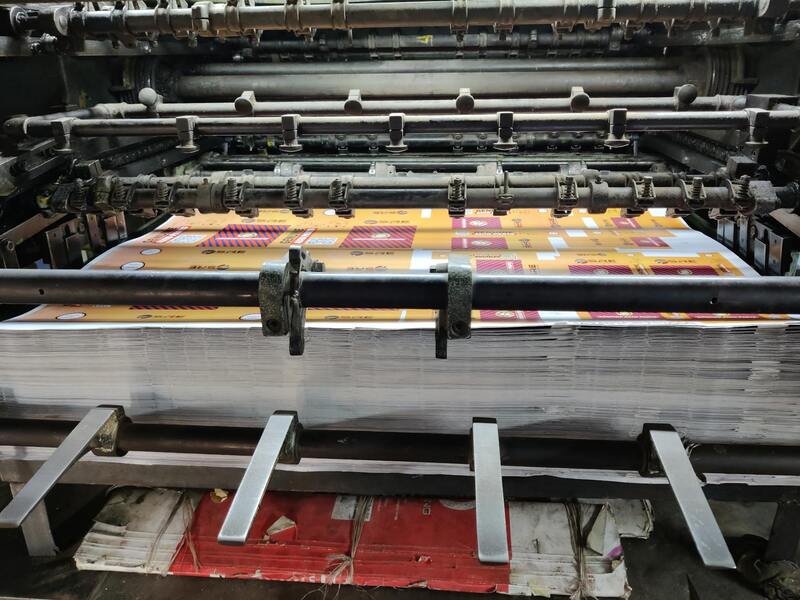
When selecting a printing method, it is essential to consider factors such as the intended use, environmental exposure, and preferred finish. The most common printing techniques include UV printing, which offers vibrant colors and weather-resistant finishes, and solvent or eco-solvent printing, known for their durability and color accuracy. Choosing the appropriate method ensures that the final product withstands weather elements, maintains color integrity over time, and meets your specific display needs.
Importance of Material Selection in Photo Banner Printing
The success of a photo banner largely depends on selecting the right material. Common options include vinyl, fabric, mesh, and polypropylene, each tailored to different requirements. Vinyl is the most versatile, offering excellent weather resistance and durability, making it ideal for outdoor use. Fabric banners, on the other hand, provide a softer aesthetic with excellent color saturation; they are typically used indoors. Mesh materials are suitable for windy outdoor conditions, as their permeable surface allows airflow while maintaining visual impact. Polypropylene offers a lightweight option suitable for short-term applications or interior displays.
The choice of material also influences the finishing options available, such as grommet placement, hem reinforcement, or the inclusion of Velcro strips for ease of installation. An understanding of these options helps in customizing banners to meet specific installation needs and longevity expectations.
Designing Impactful Photo Banners
Effective design begins with high-resolution images that retain clarity at large formats, generally at least 150 DPI at the final printed size. Logos, text, and other graphic elements should be vector-based or created in high-resolution formats to prevent pixelation. It’s vital to maintain a balance between visual elements, ensuring the main message stands out without cluttering the banner surface.
Colors should be vibrant and accurately matched using color profiles compatible with large-format printing. Incorporating a clear focal point, consistent branding, and a straightforward message can significantly improve engagement. Additionally, designing with the viewing distance in mind—larger text and bold visuals for outdoor banners—ensures readability from afar. Ensuring all artwork includes bleed areas and adheres to the specified artwork specifications minimizes the risk of trimming errors or unwanted margins.
Artwork Specifications and Preparation
Before submitting artwork for photo banner printing, confirm the specific file requirements of the printing provider. Generally, files should be in high-resolution formats such as TIFF, PDF, or EPS, with an emphasis on maintaining the correct color profiles. Files must have appropriate bleed margins—usually 1 to 2 inches—to allow for trimming without sacrificing important content.
Digital artwork should be prepared with appropriate layer structures and fonts embedded or converted to outlines. It is advisable to proof the files at full size to check for resolution issues or color discrepancies. Compression artifacts or low-resolution images are common pitfalls that can compromise print quality. Also, consider creating a mockup to visualize how the composition will look on the actual banner size, helping to identify potential issues early.
Understanding Photo Banner Printing
Photo banner printing is a specialized large-format printing process that transforms high-resolution images into vibrant, durable banners suitable for both indoor and outdoor applications. This technology combines advanced printing techniques with high-quality materials to produce banners that can withstand weather elements, resist fading, and maintain image clarity over time. The process involves meticulous preparation, including file optimization, color management, and precise printing to ensure the final product meets the desired specifications and visual standards.
Photo banners are widely utilized in marketing campaigns, event promotions, retail displays, and outdoor advertising. Their ability to capture attention through striking visuals makes them an essential tool for businesses and organizations aiming to maximize visibility. From product launches to grand openings, the clarity and impact of a well-printed photo banner can significantly enhance brand recognition and audience engagement.
Material Options for Photo Banners
Selecting the appropriate material is crucial to achieving optimal results in photo banner printing. The choice depends on the intended environment, durability requirements, and budget. Common materials include:
- Vinyl: The most popular choice for outdoor banners, vinyl offers excellent weather resistance, UV stability, and flexibility. It is suitable for long-term outdoor use and can be printed with high-resolution images for maximum visual impact.
- Mesh Banner Material: Designed with small perforations, mesh banners allow wind to pass through, making them ideal for large outdoor displays in windy areas. They provide a similar aesthetic to vinyl but with enhanced durability against outdoor elements.
- Fabric: Used mainly for indoor displays, fabric banners offer a premium look with rich colors and a matte finish. They are lightweight and can be sewn or hemmed easily, providing a sophisticated appearance for events or retail environments.
- Polyester and Canvas: Suitable for artistic or fine art reproductions, these materials emphasize color richness and fine details. They are less common for large-scale outdoor banners but are excellent for high-end interior decor or exhibitions.
Choosing the right material ensures that your photo banner maintains its quality throughout its lifespan, whether displayed indoors or exposed to harsh outdoor conditions.
Designing Effective Photo Banners
Effective photo banner design hinges on clarity, visual hierarchy, and message delivery. When designing for large-format printing, it’s essential to consider the viewing distance and environment. High-resolution images should be used to prevent pixelation, with a recommended minimum of 150-300 DPI at the final print size.
Key elements of a captivating photo banner include:
- Strong focal points: Central images or messages should immediately draw viewers’ attention.
- Bold and legible typography: If text is included, it must be large, clear, and contrasting to ensure readability from afar.
- Consistent branding: Incorporate brand colors, logos, and messaging to reinforce brand identity.
- Balanced composition: Avoid clutter; leave enough negative space to enhance the visual appeal and clarity.
Designing with the specific display location in mind—whether indoors or outdoors—is crucial. Outdoor banners should feature larger fonts and bold visuals to remain impactful from a distance, while indoor banners can incorporate detailed images and smaller text for close viewing.
Precise Maintenance and Secure Installation of Photo Banners
Achieving a long-lasting, visually appealing photo banner hinges not only on the quality of the print but also on proper maintenance and installation procedures. Whether your banner is intended for outdoor visibility or indoor decorative purposes, following the recommended handling and care steps ensures preservation of its vibrant imagery and structural integrity over time.
Handling and Caring for Your Photo Banner
Minimize unnecessary contact with the printed surface, as oils and dirt can degrade image quality. When handling the banner, use clean, dry gloves to avoid smudges and fingerprints. It's advisable to roll the banner with the printed side inward when transporting to prevent creases and damage to the surface.
Routine cleaning can keep banners looking fresh and vivid. For vinyl or similar materials, a soft cloth dampened with mild soap and water is usually sufficient. Do not use harsh chemicals, abrasives, or excessive water, as these can cause fading or material degradation. Spot cleaning stubborn dirt or stains should be performed with gentle strokes, focusing on the edges and seams to prevent tearing.
Proper Installation Techniques
Secure mounting is essential to prevent sagging, tearing, or wind damage. Depending on the material and intended environment, different installation tools and methods are recommended:
- Indoor Mounting: Use adhesive hooks, command strips, or framing solutions to attach the banner without damaging the surface. Ensure that attachment points are distributed evenly to avoid warping or stretching.
- Outdoor Installation: Heavy-duty grommets and bungee cords or ropes are effective for securing banners in outdoor settings. Ensure the banners are taut to minimize wind flutter, which can stress the material and fastenings.
- Surface Considerations: For rough or uneven surfaces, use specialized anchors, stands, or frames that stabilize the banner while preventing damage.
Environmental Considerations for Maintenance and Installation
Exposure to weather elements demands additional precautions. Prolonged sunlight can cause fading, so consider UV-protective coatings or laminates. Windy conditions require more secure fastening to prevent flapping and tearing. For outdoor banners, periodic inspections are recommended to replace or repair any compromised areas, ensuring the banner remains effective and visually impactful.
Storage Tips for Long-Term Preservation
If you need to store your photo banner temporarily, roll it carefully with the printed side inward and store it in a cool, dry environment. Use a protective sleeve or tube to prevent dust, moisture, and physical damage. Prior to reinstallation, check for any signs of deterioration and perform necessary cleaning or repairs.