Guide To Banner Printing: Types, Materials, And Tips For Effective Advertising
Overview of Banner Printing
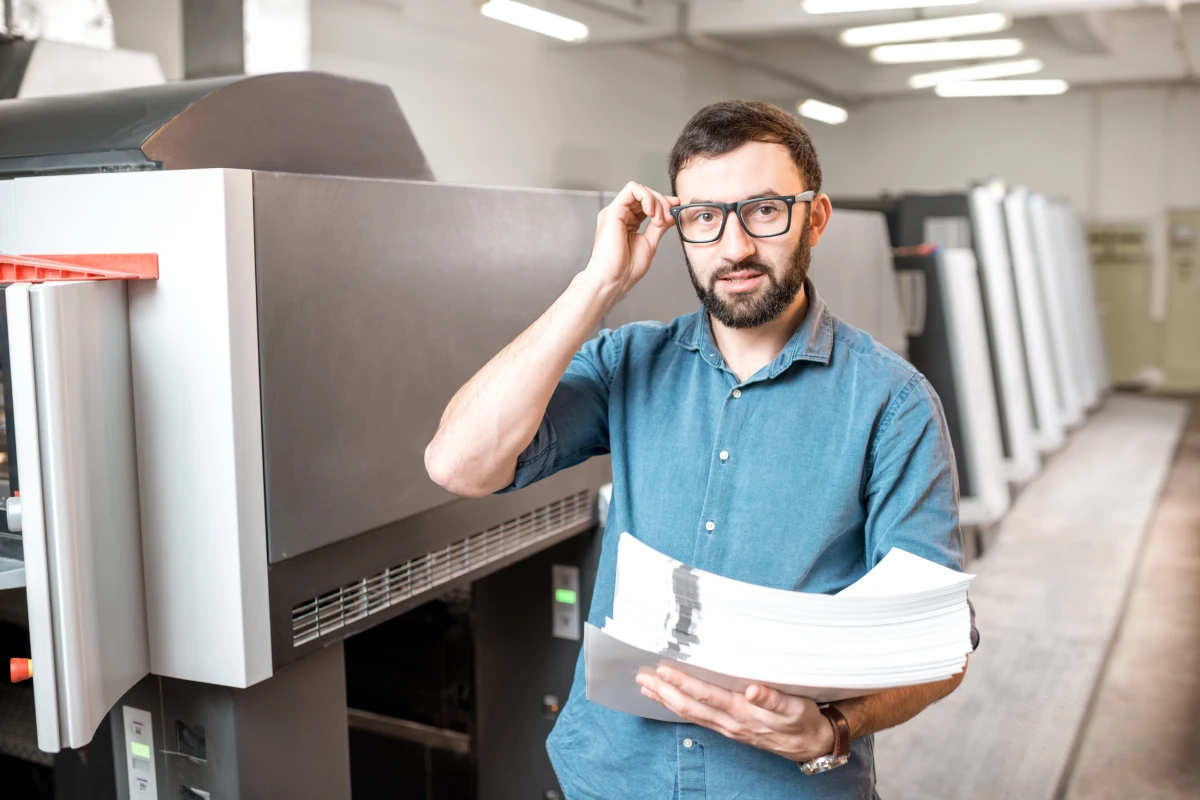
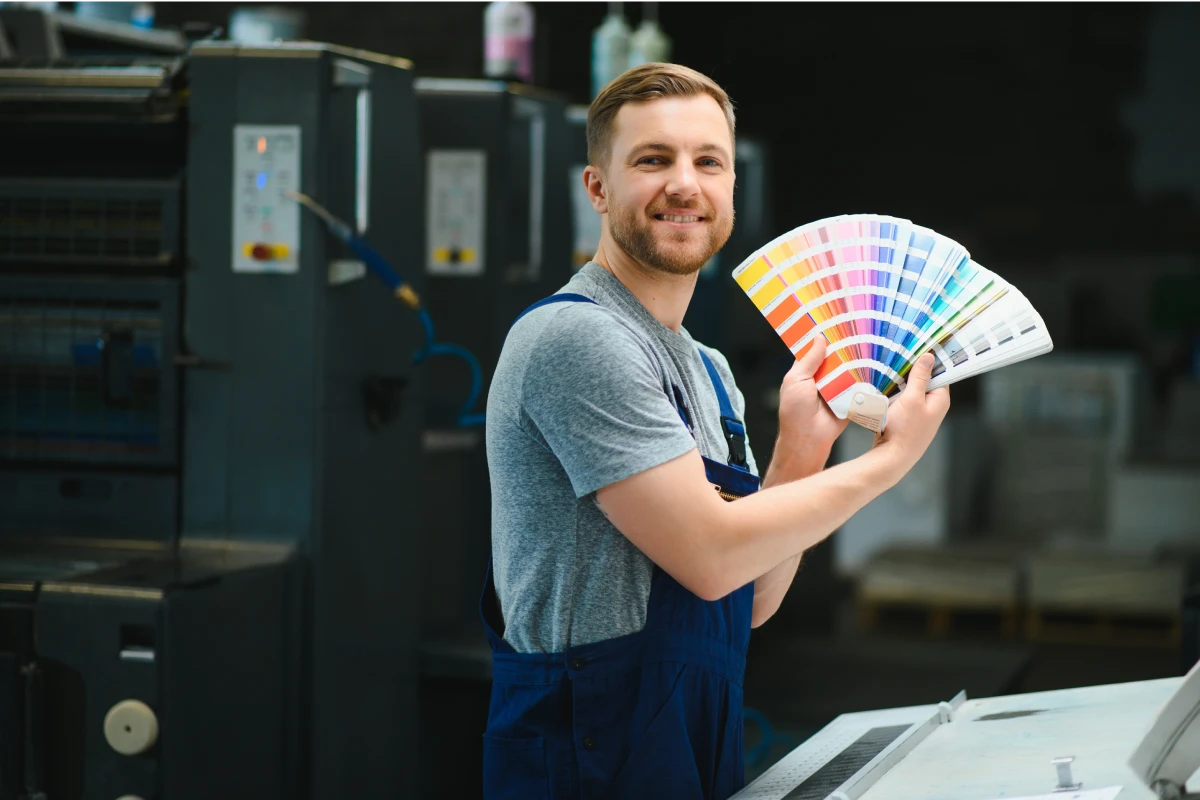
Banner printing serves as a fundamental component in modern marketing strategies, offering businesses and organizations a dynamic platform to communicate messages visually and effectively. Its versatility spans various applications, from promoting sales and events to enhancing brand awareness at trade shows, storefronts, and community gatherings. Unlike transient advertising methods, banners are designed to attract long-term attention and create a memorable visual impact, making them indispensable for both large-scale campaigns and localized promotions.
Understanding the significance of banner printing involves recognizing its ability to combine durability, visibility, and customization. When executed with professional techniques and quality materials, banners can withstand environmental elements, ensuring that the marketing message remains intact over time. This durability is essential for outdoor advertising, where exposure to weather conditions can diminish the appearance and effectiveness of less resilient signage. Moreover, the customizable nature of banner printing allows for tailored designs that align perfectly with branding guidelines, campaign themes, and target audience preferences.
From small business storefronts to large-scale event promotions, banner printing offers a comprehensive solution to communicate compelling messages visually. The process integrates advanced printing technologies, high-quality materials, and expert design principles to produce eye-catching displays that captivate viewers at a glance. As a cost-effective and scalable marketing approach, banners continue to command a prominent place in the advertising landscape, making it vital for organizations to understand the scope and benefits of professional banner printing services.
In sum, banner printing combines the power of graphics, durability, and strategic placement to deliver effective marketing messages. It represents a flexible, impactful, and essential tool for contemporary promotion efforts, capable of elevating brand presence and driving engagement across diverse settings.
Overview of Banner Printing
Banner printing encompasses a range of specialized techniques designed to produce large-format visual displays that effectively communicate messages across various environments. This process involves the application of high-resolution imaging and advanced printing methods to high-quality materials, resulting in vibrant, durable signs suitable for both indoor and outdoor use. Selection of appropriate materials and printing technologies plays a pivotal role in ensuring that banners not only serve their aesthetic purpose but also withstand environmental factors such as wind, rain, and UV exposure.

The core of banner printing lies in translating digital designs into large-scale physical displays that maintain clarity, color accuracy, and structural integrity. With the evolution of printing technology, such as UV flatbed and solvent printing, it is now possible to produce banners with exceptional detail and longevity. This enables organizations to create customized signage that aligns precisely with their branding and campaign themes.
Key Components of Banner Printing
- Design Accuracy: Ensuring sharp, eye-catching graphics that communicate the intended message effectively.
- Material Selection: Choosing durable substrates—such as vinyl, fabric, or mesh—that suit specific environmental conditions.
- Printing Technology: Utilizing high-resolution digital printers that guarantee vibrant color reproduction and crisp imagery.
- Finishing Techniques: Applying hemming, grommets, or pole pockets to facilitate installation and extend lifespan.
Environmental Resistance and Durability
Producers of banner printing utilize weather-resistant materials and inks designed to mitigate fading, tearing, and weather-related damage. UV resistance is especially critical for banners displayed outdoors, where prolonged exposure to sunlight can diminish the vibrancy of colors. Furthermore, high-tensile strength materials help banners resist tearing under wind load, maintaining visual appeal over extended periods.
Customization and Campaign Alignment
The ability to tailor banners in size, shape, and design ensures they meet specific marketing objectives. This customization allows brands to reinforce their identity consistently across multiple campaigns or event settings. Whether it's a promotional sale, grand opening, or festival display, banner printing provides a flexible platform for visual storytelling.
Production Efficiency and Lead Times
Modern banner printing services leverage streamlined digital workflows and robust production equipment to deliver high-quality products within short timeframes. This efficiency is vital for event-related signage where timing is crucial. Additionally, bulk production options help reduce costs, making professional banner printing accessible for organizations of varied scales.
Ensuring Compliance and Best Practices
While focusing on production quality, reputable banner printing services adhere to industry standards that promote safety, environmental stewardship, and regulatory compliance. This includes the responsible use of inks and materials that ensure safe handling and disposal. Additionally, best practices in design and installation guarantee that banners are both effective and compliant with local regulations.
Overview of Banner Printing
Banner printing is a vital component of modern marketing and branding strategies, providing a versatile platform for visual communication across a variety of settings. It involves the process of creating large-format visuals that can effectively capture attention in both pedestrian-heavy environments and open outdoor spaces. The technology behind banner printing has evolved significantly, enabling the production of high-resolution, vibrant graphics with consistent color fidelity that stand up to the elements when used outdoors. The process combines advanced printing techniques with durable materials to produce banners suitable for numerous applications, including promotional events, trade shows, storefront displays, and community celebrations.
The core advantage of banner printing lies in its ability to produce large-scale, eye-catching visuals that communicate a message quickly and effectively. This method requires careful selection of materials, printing technology, and design to ensure that the end product meets visual impact goals and durability standards. As banner printing continues to advance, options such as eco-friendly inks and recyclable materials become more accessible, supporting sustainable marketing practices while maintaining professional quality standards.
Common Types of Banners
- Vinyl Banners: Recognized for their durability and weather resistance, vinyl banners are ideal for outdoor advertising. They resist tearing and fading, even under prolonged exposure to sunlight and rain, making them a popular choice for campaigns that need longevity.
- Fabric Banners: Crafted from high-quality fabrics, these banners offer a refined, elegant appearance. They are especially suitable for indoor displays, trade shows, and events requiring a softer aesthetic. Fabric banners typically feature vibrant colors and are easy to transport and store.
- Mesh Banners: Designed with small holes in the material, mesh banners provide excellent airflow, reducing wind load and preventing damage. They are commonly used in outdoor sports venues, construction sites, and large-scale event spaces where wind stability is necessary.
- Retractable Banners: These portable banners are designed for quick setup and removal, making them ideal for mobile marketing campaigns, trade shows, and temporary signage needs. Their ease of transport and storage is a significant benefit for dynamic marketing efforts.
Materials Used in Banner Printing
The success of a banner hinges upon the choice of material, which must balance aspects such as durability, weight, visual quality, and environmental resistance. Common materials include PVC, which is the most widely used for outdoor banners due to its toughness and weatherproof qualities. Fabric options, such as polyester or nylon, offer a more refined aesthetic with excellent dye retention for vibrant color reproduction. Mesh materials provide additional wind resistance, while vinyl remains the staple for its affordability and longevity. Each material reacts differently depending on environmental conditions and intended display duration, underscoring the importance of selecting the right substrate for specific requirements.

Factors such as UV resistance, tear strength, and ease of installation influence material selection. Recyclable and environmentally friendly options now are increasingly prioritized by organizations aiming to reduce ecological impact without sacrificing performance. Proper material choice, combined with precise printing technology, ensures the final product maintains its vibrancy and structural integrity over the entire display period.
Overview of Banner Printing
Banner printing is a versatile solution for businesses and organizations seeking impactful visual advertising. It involves the process of creating large-format graphics on durable substrates designed to withstand various environmental conditions. With advancements in digital printing technology, banner printing has become more accessible, allowing for highly customized designs with vibrant colors and sharp details. This method enables the production of banners in various sizes and styles, tailored to specific marketing needs or event requirements.

The process begins with the design phase, where digital graphics are prepared using professional software, focusing on high resolution and appropriate color settings to ensure clarity and color accuracy. Once the design is finalized, printing is carried out using specialized large-format printers capable of handling wide substrates. The choice of printer and ink significantly impacts the final quality, cost, and durability of the banner, making it essential to select a reputable printing service with proven expertise in banner production.
Common Types of Banners
- Vinyl Banners: The most popular choice for outdoor applications, offering excellent weather resistance and longevity. Their flexibility allows for easy installation on various surfaces.
- Fabric Banners: Produced from polyester or nylon, these banners provide a refined appearance suitable for indoor displays or events. They often feature vibrant dye sublimation printing for rich colors and sharp imagery.
- Mesh Banners: Incorporate tiny perforations that allow wind to pass through, reducing strain and extending lifespan in outdoor environments, especially in high-wind areas.
- Retractable Banners: Designed with a roll-up mechanism, these are ideal for trade shows and mobile marketing, providing convenience and a professional appearance on the go.
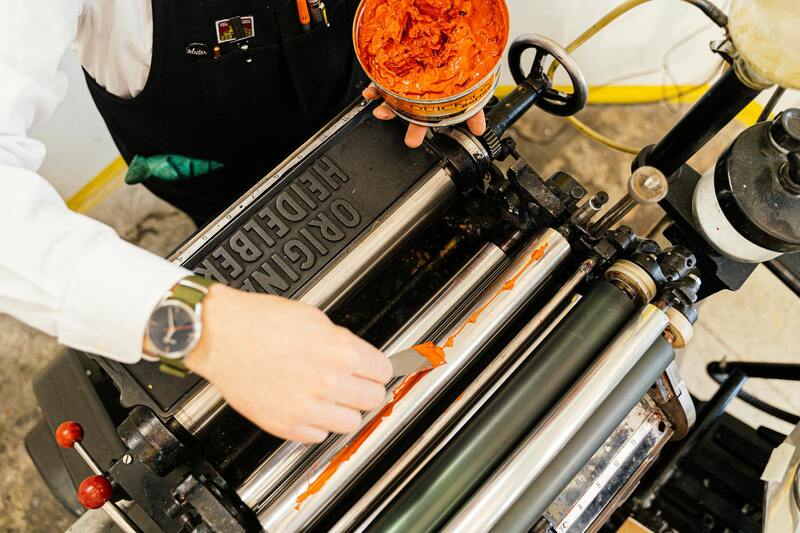
Materials Used in Banner Printing
The choice of material is crucial to the performance and longevity of a banner. Common materials include:
- PVC Vinyl: Durable, weather-resistant, and versatile, making it suitable for outdoor advertising.
- Polyester Fabric: Offers a smooth print surface with vibrant color retention, ideal for indoor displays or special events.
- Mesh: Features perforations that allow wind flow, minimizing stress on the banner in outdoor conditions.
- Eco-friendly Options: Recyclable materials like certain PVC alternatives or biodegradable fabrics are increasingly utilized to reduce environmental impact.
Factors influencing material selection include UV resistance, tear strength, ease of installation, and environmental conditions at the display site. Proper material choice ensures that the banner maintains its visual quality and structural integrity over its intended lifespan, whether for short-term promotions or long-term advertising campaigns.
Advanced Techniques for Achieving Superior Print Quality
To ensure that banner printing meets professional standards, it is essential to utilize advanced printing technologies that deliver crisp images, vibrant colors, and durable finishes. The most common modern methods include eco-solvent printing, UV printing, and solvent printing, each offering distinct advantages tailored to specific needs.
Eco-solvent printing utilizes environmentally friendly solvents that evaporate quickly, providing high-resolution images with excellent color depth and longevity. This method is particularly suited for outdoor banners where exposure to weather elements is a concern. UV printing, by curing inks instantly with ultraviolet light, produces sharp, detailed imagery with a glossy finish that resists scratches and fading—ideal for banners that require a premium appearance and durability in high-traffic or outdoor settings. Solvent printing, employing solvent-based inks, delivers vibrant and weather-resistant graphics suitable for large-scale outdoor displays, ensuring visibility over extended periods without significant degradation.

Resolution plays a crucial role in banner quality, with high DPI (dots per inch) settings producing sharper images and more precise color reproductions. Manufacturers often opt for resolutions of at least 300 DPI when printing detailed logos or intricate designs. Moreover, color management systems enable accurate color reproduction, ensuring that the printed banners match branding standards and visual expectations. Professionals also pay close attention to ink coverage and coating techniques, which can influence glossiness, matte finish, or UV resistance, providing further customization to suit specific outdoor or indoor applications.
Environmental Considerations in Banner Printing
Increasingly, environmentally conscious printing practices are shaping the industry. Recyclable and biodegradable materials are being adopted alongside eco-friendly inks that emit fewer volatile organic compounds (VOCs). These innovations not only reduce environmental impact but also enhance the reputation of branded campaigns by aligning with sustainability goals. When selecting a printing method, it is beneficial to consider those that offer eco-friendly options without compromising print quality or durability.
Quality Control and Final Inspection
Implementing strict quality controls at every stage of the printing process ensures that the final product meets the highest standards. This includes color calibration, print alignment, and surface finishing. Inspection protocols should verify that colors are consistent across batches, images are sharp and free of pixelation, and edges are cleanly cut without fraying or curling. Additionally, evaluating the adhesion and resilience of inks on the chosen materials ensures that banners maintain their visual appeal over time, whether used in short-term promotional events or long-term advertising campaigns.
Adopting these sophisticated printing techniques and quality control measures elevates the professionalism of banner displays, resulting in eye-catching, durable marketing assets that effectively communicate messages across all environments.
Materials Used in Banner Printing
Selecting the appropriate materials for banner printing is a critical factor in determining the durability, appearance, and overall performance of the finished product. The choice of substrate impacts not only the visual impact of the banner but also its suitability for various environments, whether indoor or outdoor, temporary or long-term.
Common Banner Materials
- Vinyl: Vinyl remains the most popular material for both indoor and outdoor banners due to its robustness and weather resistance. It is available in gloss, matte, and satin finishes, providing flexibility in design and lighting consideration.
- Fabric: Fabric banners, often made from polyester or woven materials, offer a high-end appearance suitable for indoor displays, trade shows, and events. They are lightweight, foldable, and can produce vibrant color outputs.
- Mesh: Mesh banners incorporate small perforations that allow wind to pass through, making them ideal for large-scale outdoor advertising in windy conditions. They maintain visibility and reduce stress on supporting structures.
- Polyethylene: These are typically used for short-term or promotional banners. They are lightweight and inexpensive but less durable compared to vinyl or fabric options.
Eco-Friendly and Recyclable Materials
Increasingly, environmentally conscious practices influence material choices in banner printing. Recyclable vinyl and biodegradable fabrics are becoming more prevalent. Eco-friendly inks, such as water-based and plant-based options, are used to reduce volatile organic compounds (VOCs), aligning promotional efforts with sustainability principles. These materials not only minimize environmental impact but also enhance brand reputation by demonstrating a commitment to responsible practices.
Specialty Materials for Unique Effects
- Reflective Vinyl: Enhances visibility in low-light conditions, suitable for safety or automotive banners.
- Translucent Films: Used for backlit displays, allowing light to shine through for dramatic effects.
- Textured Vinyls: Add tactile elements to banners for a distinctive visual or sensory appeal.
Material Selection Considerations
When choosing a material, it is essential to evaluate factors such as the expected environment, lifespan requirements, budget constraints, and the desired aesthetic. For instance, high-traffic outdoor areas demand materials with superior weather resistance, while indoor environments can accommodate lighter, less durable options. Proper material selection ensures that banners maintain their visual integrity and structural performance over their intended lifespan.
Advanced Techniques in Banner Printing for Enhanced Visual Impact
To achieve exceptional visual results, many professional banner printing services incorporate innovative techniques that elevate the standard output. These methods include the application of special coatings, texture enhancements, and advanced finishing touches that can make banners stand out in various settings.
One prominent technique is the use of lamination and coatings. Matte, gloss, or satin laminates are applied post-printing to protect the banner surface and enhance its appearance. For example, gloss coatings give vibrant colors a luminous shine, while matte finishes reduce glare and fingerprints, making banners suitable for environments with bright lighting. Additionally, UV coatings can provide a durable, scratch-resistant surface, extending the banner’s lifespan in high-traffic areas.
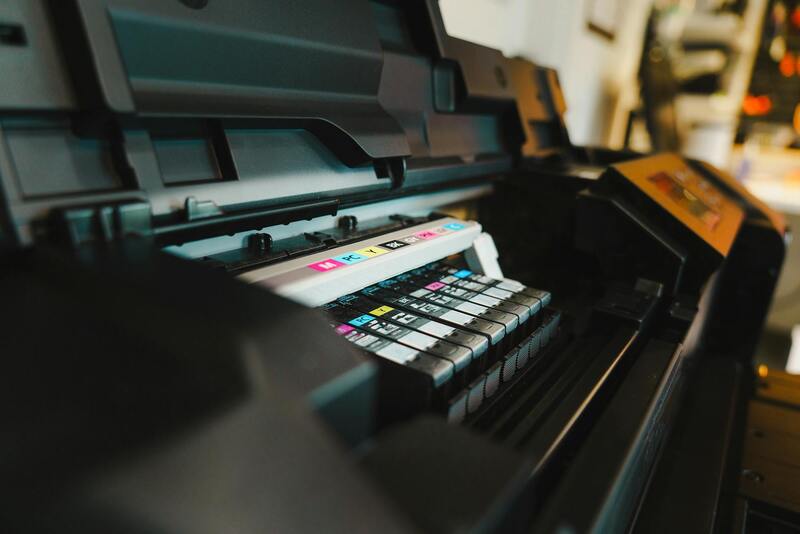
Another state-of-the-art approach involves embossing or debossing. These techniques create a tactile dimension, adding a textured element to specific design features such as logos, borders, or text. Embossed banners not only attract visual attention but also invite viewers to engage via touch, making the message more memorable.
For banners that require a distinct visual effect, print layering and specialty inks are employed. Spot UV varnishes, metallic inks, and textured fabrics can generate reflective, shimmering, or embossed appearances that catch light dynamically, especially under natural or strategic lighting. These methods are ideal for creating luxurious branding displays or high-end promotional banners.
In environments with unique lighting conditions, such as backlit or window displays, translucent films and backlit printing techniques are used. Light filters through these materials, producing a vibrant glow that enhances visibility and aesthetic appeal, making the banner an active part of the visual presentation rather than just a static sign.
Incorporating Multi-Layered and Custom Shapes for Creativity
Beyond flat printing, modern banner production can include multi-layered elements or custom die-cut shapes that add dimension and creativity. Layered banners comprise various cutouts or mounted segments, creating depth and movement that draw eye attention effectively. Similarly, banners with cut edges or intricate shapes are tailored to specific branding themes or event motifs, making them more engaging and distinctive.
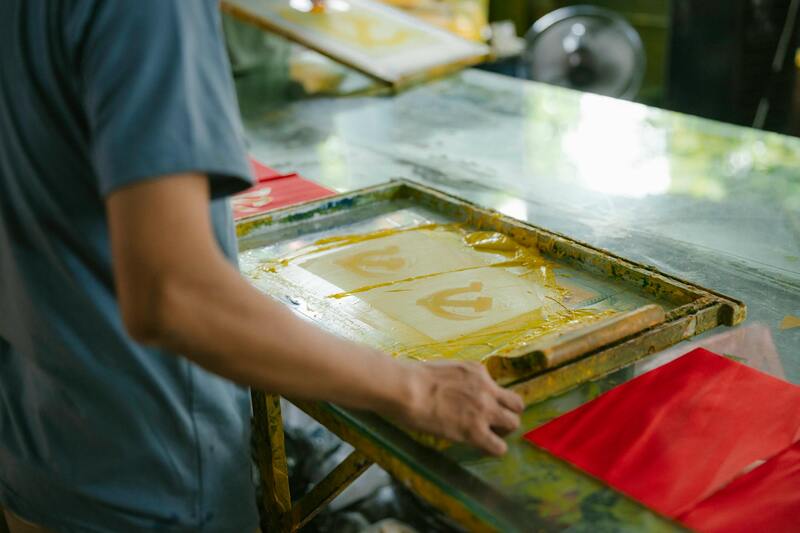
These advanced techniques require precise digital design preparation and specialized equipment, which professional printing providers are equipped to handle. The integration of versatile printing methods ensures that banners not only convey their message clearly but also do so with a high degree of aesthetic sophistication and durability, suitable for both short-term promotions and long-term displays.
Methods for Producing Durable and High-Quality Banner Prints
To ensure banners maintain their visual impact and structural integrity over time, selecting the appropriate production techniques is critical. Manufacturers utilize advanced digital printing methods such as large-format UV and solvent printing. These technologies enable vibrant color reproduction, sharp detail, and durable adhesion to the chosen material. UV printing benefits from rapid curing through ultraviolet light exposure, resulting in banners with excellent scratch and weather resistance. Solvent printing, on the other hand, incorporates solvent-based inks that penetrate deeper into the substrate, providing longevity and color vibrancy suitable for outdoor use.
Navigating the Selection of Banner Printing Methods
When choosing the appropriate printing method for a banner, several factors should be considered, including the intended display environment, expected lifespan, and budget. For outdoor banners expected to endure harsh weather conditions, solvent or latex printing offers high durability and resistance against fading, tearing, and environmental damage. Indoor banners, which are less exposed to outdoor elements, can utilize aqueous or UV printing, providing excellent color accuracy and fine detail. Additionally, the choice of material plays a role; vinyl remains the industry standard due to its weather-resistant properties, while fabric banners offer a sophisticated appearance suitable for indoor events or luxury branding.
Surface Finishing and Coating Options
To further enhance a banner’s longevity and visual appeal, various surface finishing options can be applied post-printing. Laminations such as gloss, matte, or satin finish not only protect against scratches and UV rays but also influence the visual texture and glare of the banner. For banners intended for outdoor visibility, a UV-protective laminate can prevent fading caused by prolonged sun exposure. Additionally, heat-cut or die-cut edges can be added to create custom shapes, contributing to distinct branding and eye-catching designs. Reinforced hems and grommets provide added strength for mounting in high-wind areas, ensuring the banner remains securely displayed.
Quality Control and Inspection
Prior to final delivery, rigorous quality control processes are essential to verify that the print meets specified standards. This includes checking for color consistency, sharpness of images, accurate registration, and surface smoothness. High-quality banner production facilities typically utilize specialized inspection tools such as spectrophotometers and digital microscopes to ensure color fidelity and defect-free finishes. This adherence to strict quality assurance protocols guarantees that clients receive banners that fulfill their promotional objectives with lasting visual impact.
Environmental Considerations in Banner Production
Eco-conscious manufacturing practices are increasingly influencing banner printing. Many service providers opt for environmentally friendly inks, such as water-based or soy-based options, which produce fewer volatile organic compounds (VOCs). Additionally, recycling or repurposing banner materials at the end of their lifecycle minimizes environmental impact. Some printing companies also implement energy-efficient production processes and utilize sustainable substrates to align with environmentally responsible business practices, offering clients peace of mind regarding the ecological footprint of their promotional materials.