Fast Printing: Efficient And Quality Printing Solutions In Singapore
Understanding Fast Printing in the Printing Industry
Fast printing has become an essential component of the modern printing industry, meeting the urgent needs of businesses and individuals who require high-quality printed materials delivered within tight timeframes. In an era driven by rapid commerce, event planning, and quick marketing campaigns, the ability to produce printing jobs swiftly without compromising on quality has elevated to a critical service standard.
Fast printing services are designed to optimize each stage of the printing process — from file preparation and digital printing to finishing and delivery — ensuring that turnaround times are significantly reduced. This is achieved through a combination of advanced technology, streamlined workflows, and dedicated service teams committed to meeting tight deadlines. The importance of quick turnarounds is especially pronounced for promotional materials, last-minute event flyers, urgent business cards, and time-sensitive marketing campaigns.
Maintaining quality amidst rapid production is paramount. The best fast printing providers leverage high-end digital presses capable of producing vibrant, crisp images and sharp text efficiently. These machines often incorporate features such as automated color calibration, fast drying times, and precise finishing options, ensuring the end product meets professional standards.
For businesses, fast printing translates to a competitive edge — enabling them to respond quickly to market demands, launch campaigns on schedule, or fulfill urgent printing orders without compromising on visual appeal or durability. Customers rely increasingly on printing providers that can handle not only volume but also the agility to adapt to varying project needs with efficiency.
Furthermore, the infrastructure supporting fast printing services often includes multiple production lines, in-house design and prepress support, and reliable logistics networks. These combined factors guarantee that projects are completed accurately and delivered promptly, regardless of the complexity or size of the order.
While speed is an essential aspect, professional fast printing services also prioritize consistency, color accuracy, and brand integrity. They implement rigorous quality checks and use premium materials to ensure every print job reflects the quality standards clients expect.
In the digital age, where attention spans are short, and need for immediacy is higher than ever, the demand for quick, dependable printing solutions continues to grow. Through leveraging innovative machinery, optimized workflows, and dedicated customer service, the industry is able to meet these evolving needs without sacrificing the excellence that clients demand in their printed materials.

Technical Aspects That Enable Rapid Printing Processes
Several core technological components contribute to the efficiency and speed of modern printing services. Digital printing, for instance, bypasses the need for time-consuming setup processes associated with traditional printing methods, allowing for quick turnaround times without sacrificing quality. This technology is ideal for short-run projects, personalized printing, and on-demand needs, making it a popular choice for fast printing requirements.

High-speed inkjet printers are designed for large-volume jobs, capable of producing high-quality prints rapidly. These machines are particularly effective for banners, posters, and large format prints where quick turnaround is critical. Offset printing, traditionally known for high-volume output, has also evolved with faster presses and more efficient workflows, minimizing the time from order to delivery while maintaining precision in color and detail.
Automated prepress workflows, including digital file preparation and proofing software, further streamline the process. They help reduce manual adjustments, prevent errors, and ensure that files are print-ready, enabling operators to focus on production speed. This integration between software and machinery plays a significant role in reducing delays and increasing throughput.
Moreover, real-time monitoring systems are now installed on machines to detect issues early and optimize performance throughout the print run. This proactive approach minimizes downtime, ensures consistent quality, and accelerates completion times. Together, these technological advances create an environment where rapid production does not come at the expense of quality or detail.

Operational Strategies That Boost Speed and Efficiency
- Pre-press Automation: Implementing digital workflows that prepare files quickly ensures minimal delays once the job enters production. Automatic color calibration and proofing tools reduce the need for multiple revisions.
- Optimized Machine Maintenance: Regular equipment maintenance prevents unexpected breakdowns, which are a common source of delays. Scheduled checks keep machinery at peak performance.
- Workflow Streamlining: Coordinating order intake, preparation, and dispatch processes with integrated management systems minimizes handovers and bottlenecks.
- Strategic Material Inventory: Maintaining a ready supply of compatible substrates and inks allows for immediate production runs without waiting for materials to arrive.
- Dedicated Production Lines: Separating high-volume from bespoke or complex jobs prevents resource conflicts and ensures each order receives appropriate focus and speed.
These operational strategies, coupled with cutting-edge technology, enable printing providers to handle urgent requests efficiently while upholding high standards of output. This synergy between hardware, software, and process management is fundamental to delivering rapid, dependable printing services in today's competitive market.
Understanding Fast Printing in the Printing Industry
Fast printing has become a cornerstone of the modern printing landscape, driven by the increasing demand for immediate turnaround times without compromising on quality. This approach supports various business needs, from urgent marketing materials to last-minute event signage. Achieving rapid production involves a comprehensive integration of advanced technology, optimized workflows, and strategic operational practices. It is essential for printing providers to adopt a cohesive system that balances speed, precision, and reliability, especially in competitive markets where time-sensitive projects are commonplace. By leveraging automation, maintaining equipment efficiently, streamlining processes, and ensuring material availability, printing companies can fulfill urgent orders while maintaining high standards. These practices not only reduce turnaround times but also enhance overall customer satisfaction, reinforcing trust and encouraging repeat business.

Types of Printing Technologies Enabling Fast Turnaround
Several printing technologies are instrumental in achieving swift production times, each suited to different application requirements. Inkjet and digital presses are at the forefront, offering high-speed capabilities ideal for small to medium-sized runs, on-demand printing, and quick adjustments. Digital printing, characterized by its rapid setup and minimal preparation, eliminates the need for plates, making it perfect for short deadlines and personalized printing. Meanwhile, high-speed offset presses can handle large volumes efficiently, combining the benefits of traditional quality with faster output to meet bulk orders within tight schedules.
Meanwhile, large-format and wide-format digital printers expand the scope for rapid production of banners, posters, and signage, often finished within hours. These devices support variable data printing, enabling customized outputs with no significant increase in processing time. Additionally, hybrid printing systems that combine digital and conventional techniques are increasingly common, offering flexibility and speed for diverse projects.

Automation and Workflow Integration
- Pre-press automation streamlines file preparation via software for fast processing.
- Automated color calibration ensures consistency without manual intervention, speeding up proofing.
- Streamlined workflows connect order intake, production, and dispatch, reducing bottlenecks.
- Digital management systems provide real-time tracking, optimizing resource allocation.
Maintenance and Material Management
- Regular equipment upkeep minimizes unexpected downtime.
- Strategic inventory management guarantees immediate access to substrates and inks, preventing delays.
Operational Strategies That Accelerate Printing Services
Beyond technology, operational strategies play a vital role in delivering fast printing services. Segregating high-volume from complex or customized jobs allows for focused workflow management, enhancing overall speed. Maintaining dedicated production lines ensures consistent throughput without interference from bespoke projects, which might require more time. Furthermore, automation extends beyond the machinery, encompassing order processing, approval workflows, and delivery logistics. These measures collectively elevate the efficiency of printing providers, enabling them to meet tight deadlines reliably while safeguarding quality standards.
Understanding Fast Printing in the Printing Industry
Fast printing has become a vital component of modern printing services, catering to the increasing demand for rapid turnaround times without compromising on quality. This aspect of the industry encompasses specialized methods and practices designed to expedite the entire printing process, from initial order placement to final delivery. It is driven by technological advancements, workflow efficiencies, and strategic operational management that collectively enable printing providers to meet even the most urgent deadlines.
In the competitive landscape of printing services, responsiveness is paramount. This has led to the adoption of dedicated high-speed equipment capable of processing large volumes in a fraction of the traditional time. Beyond the machinery, the integration of sophisticated workflow automation ensures commands, files, and job instructions flow seamlessly through pre-press, press, and finishing stages. This synchronization minimizes idle times and maximizes productivity, allowing for high-speed operation while maintaining consistency and precision.

Advances in Technology Supporting Fast Turnaround
Modern high-speed digital printers, such as advanced sheet fed and continuous feed models, significantly reduce printing durations. These printers are equipped with intelligent features like automated color calibration, fast drying inks, and high-capacity paper trays. Such features facilitate quick shifts between jobs and enable large print runs to be completed swiftly, especially for tasks like flyers, posters, and direct mail campaigns.
Offset presses have also evolved to incorporate automation tools that expedite setup and reduce downtime. For instance, quick-change plates and inline quality control systems allow for faster adjustments and consistent output across batches. These technological improvements are crucial for meeting tight deadlines while preserving high standards of clarity, color fidelity, and material alignment.
Workflow Optimization for Rapid Service Delivery
Operational strategies play an equally important role in ensuring fast printing. Efficient job scheduling that segregates high-volume, straightforward jobs from more complex projects prevents bottlenecks. Dedicated production lines tailored to specific types of print, such as short-run digital jobs or large-format projects, enhance overall throughput.
Furthermore, automated processing pipelines integrate order intake, file validation, pre-press adjustments, and dispatch logistics. These systems facilitate real-time tracking and proactive resource management, minimizing delays caused by manual handling or communication gaps. When combined with preventative maintenance and strategic inventory management—such as ready stock of common substrates and inks—these practices underpin a reliable and rapid printing environment.
By leveraging cutting-edge technology and streamlining workflow operations, printing providers can deliver fast printing services that align with client needs. This efficiency not only supports urgent marketing campaigns, event promotions, or last-minute branding opportunities but also enhances overall customer satisfaction through consistent, high-quality output delivered within tight timelines.
Understanding Fast Printing in the Printing Industry
Fast printing has become an essential component within the modern printing landscape, driven by the increasing demand for swift turnaround times without compromising quality. It encompasses a broad spectrum of strategies and technological advancements that enable printing providers to produce high-quality outputs in significantly reduced timeframes. This agility is vital for businesses and individuals who require urgent materials, such as marketing collateral, event flyers, promotional banners, or last-minute invitations. The concept of fast printing is rooted in optimizing each stage of the printing process, from initial file preparation to final dispatch, ensuring seamless and expeditious delivery.
Technological Innovations Driving Speed
At the core of fast printing are cutting-edge technologies that eliminate traditional bottlenecks. Digital printing, for instance, allows for near-instantaneous setup and minimal preparation time compared to traditional offset methods. High-speed presses equipped with sophisticated automation systems can produce hundreds or thousands of copies within minutes, maintaining consistent color reproduction and sharp details across large batches. In addition, the integration of advanced pre-press workflows, such as automated file validation and color management, reduces delays stemming from manual corrections or adjustments.
Workflow Optimization for Rapid Service Delivery
Beyond cutting-edge machinery, operational strategies significantly influence the speed and efficiency of printing services. Streamlined job scheduling separates simple, high-volume tasks from complex, customized projects, ensuring that each is handled optimally. Dedicated production lines for specific print types, such as short-run digital jobs or large-format banner printing, help improve throughput. Automated processing pipelines coordinate order intake, file preparation, and dispatch logistics, tracking progress in real-time and reducing manual handling errors. These practices allow providers to meet tight deadlines reliably, often delivering within hours or a few days, depending on the scope of the project.
Balancing Speed with Quality
While speed is a fundamental aspect of fast printing, maintaining high quality remains paramount. Modern printing technologies incorporate precision controls that ensure color fidelity, sharpness, and material compatibility. Regular maintenance of equipment combined with quality assurance protocols prevents errors such as misregistration, streaks, or inconsistent color application. This meticulous approach guarantees that rapid production does not come at the expense of the end product’s durability or visual appeal.
Efficient Material Management
Effective inventory management further streamlines fast printing operations. Keeping a ready supply of commonly used substrates, inks, and accessories minimizes downtime caused by stock shortages. Employing just-in-time inventory practices ensures materials are available when needed without excessive stockpiling, reducing waste and storage costs. This logistical efficiency directly supports quick turnarounds and helps printing providers uphold a reputation for reliable, rapid service.
Conclusion
By harnessing advanced technology, optimizing workflow processes, and coordinating material resources, printing services can deliver fast, high-quality outputs tailored to the demands of contemporary clients. This integrated approach ensures that urgent printing needs are met swiftly and reliably, fostering customer satisfaction and enabling businesses to capitalize on timely marketing opportunities and brand activation efforts.
Implementing Time-Efficient Workflow Practices for Rapid Production
Achieving fast printing without compromising quality necessitates a strategic approach to workflow management. Incorporating pre-press procedures such as automated file checks, color management, and proofing can streamline the production process. Digital pre-flight software helps identify discrepancies or errors early, reducing delays during printing. Additionally, organizing print jobs by type and size allows for batch processing, minimizing machine downtime and optimizing throughput.
Workstation setup also plays a vital role. Dedicated areas for file preparation, printing, and finishing ensure smooth transitions between stages. Establishing clear communication pathways between designers, technicians, and clients guarantees that revisions are handled swiftly and accurately, thus avoiding bottlenecks. Regular calibration and maintenance of printing equipment ensure consistent output, maintaining high standards even in fast-paced environments.
Furthermore, deploying flexible scheduling and dynamic resource allocation can adapt to urgent orders, enabling printing providers to prioritize jobs based on urgency and complexity. Employing project management tools that track progress and automate updates can enhance transparency, allowing clients to stay informed and assisting staff in meeting tight deadlines efficiently.
Just-in-time inventory systems for consumables like inks and substrates prevent unnecessary stockpiling and shortages, reducing delays caused by material unavailability. Combining these operational strategies results in a streamlined workflow capable of meeting high-volume demands while maintaining meticulous quality controls.

Understanding Fast Printing in the Printing Industry
Fast printing has revolutionized the way businesses and individuals approach their printing needs by prioritizing speed without compromising quality. This approach emphasizes rapid turnaround times to meet urgent deadlines, enabling organizations to respond swiftly to market demands, event schedules, or personal requirements. In a competitive environment, being able to deliver large volumes of printed materials quickly can provide a significant advantage, helping to establish brand presence and maintain operational efficiency.
At its core, fast printing involves the integration of advanced technologies, streamlined operational workflows, and efficient resource management. The core goal is reducing the time from design submission to finished product while maintaining precision and vibrancy in output. This crucial balance ensures that clients receive high-quality prints within tight deadlines, a key factor in industries such as marketing, hospitality, education, and event planning.

Implementation of such strategies involves using high-speed, multi-function printers capable of handling massive workloads efficiently. These machines are often complemented by sophisticated software that automates processes like color calibration, file formatting, and job scheduling. With real-time monitoring, operators can swiftly address any issues that arise, minimizing delays and ensuring smooth production flow. Additionally, leveraging digital printing techniques allows for quick setup times, especially beneficial for short-run projects where traditional methods may be too slow or costly.
Types of Printing Technologies Enabling Fast Turnaround
Several key printing technologies underpin the capacity for rapid production. Digital printing, for example, is renowned for its quick setup and flexible production, making it ideal for short runs and personalized jobs. Inkjet and solid ink printers also offer high-speed output suitable for large banners, posters, and promotional materials.
Offset printing, while traditionally slower due to the plate creation process, now incorporates advances such as quick-change plates and high-speed presses that significantly reduce turnaround times. Additionally, hybrid solutions that combine digital and offset printing leverage the strengths of both methods, facilitating rapid production of high-quality outputs at scale.
Advantages of Fast Printing for Businesses
- Immediate responsiveness: Quick turnaround helps companies meet last-minute marketing campaigns or event needs.
- Enhanced flexibility: Ability to print smaller quantities quickly supports customized, targeted marketing efforts.
- Cost efficiency: Reducing production times minimizes labor and material costs associated with extended processing.
- Competitive edge: Fast delivery capability positions businesses as reliable suppliers in time-sensitive markets.
- Increased productivity: Rapid processing of multiple jobs accelerates overall project completion, boosting throughput.
Key Features of Reliable Fast Printing Services
- Advanced printing machinery: Utilization of high-speed printers equipped with the latest technology ensures swift processing.
- Efficient workflow management: Optimized job scheduling and real-time job tracking facilitate quick turnaround times.
- Skilled technicians: Experienced staff capable of operating complex machinery and troubleshooting issues promptly.
- Quality control protocols: Continuous monitoring during production guarantees consistent output quality despite rapid throughput.
- Customer support and communication: Clear channels for order updates and revisions keep clients informed and satisfied.

Popular Fast Printing Products and Services
- Business stationery: Business cards, letterheads, envelopes, and NCR forms designed for quick turnaround.
- Promotional materials: Flyers, brochures, posters, banners, and custom signage for immediate deployment.
- Event collateral: Invitations, event programs, and decorative printables to meet tight schedules.
- Large format printing: Roll-up banners, trade show displays, and point-of-sale displays produced rapidly.
- Personalized printing: Photo books, greeting cards, and customized gifts completed within hours.
Choosing the Right Fast Printing Provider in Singapore
When selecting a fast printing partner, evaluating their technological capabilities and operational efficiency is essential. Look for providers that employ high-speed digital presses and offer a range of finishing options to accommodate your project’s specifications. Prioritize those with comprehensive workflow management systems, skilled technicians, and a reputation for punctual delivery. Transparent communication channels and clear pricing structures also contribute to a smoother experience, ensuring your project is completed accurately and on time.
Understanding Fast Printing in the Printing Industry
Fast printing has revolutionized the way businesses and individuals approach their printing needs, offering the ability to produce large volumes of high-quality materials within tight deadlines. This capability is especially critical in today's fast-paced commercial environment where timely dissemination of promotional materials, event collateral, and operational documents can significantly influence success. The principles behind fast printing involve advanced technological processes and optimized workflows that minimize production time without compromising output quality. It hinges on the integration of high-speed digital presses, efficient material handling systems, and real-time job management, facilitating rapid turnaround for diverse printing projects.

Understanding the operational dynamics of fast printing involves recognizing the importance of process automation, streamlined file preparation, and precise machine calibration. Automated workflows reduce manual intervention, accelerating job sequencing and reducing potential errors. With technological advancements, printers can now switch between different jobs seamlessly, adjusting to specific project requirements such as size, color fidelity, and finishing options. This agility ensures that clients receive their printed materials promptly while maintaining consistency and quality across large or complex runs.
Types of Printing Technologies Enabling Fast Turnaround
Several printing technologies are foundational to achieving swift production times. Digital printing stands out as the most prevalent, primarily due to its ability to produce short to medium runs rapidly and with minimal setup. The absence of extensive setup procedures means jobs can be initiated almost instantly after file submission. Offset printing, while historically slower due to its setup process, has incorporated quick-change plate technologies that reduce turnaround times for larger batches. Additionally, large format printing technology caters to high-volume banner, poster, and display productions, delivering large-scale outputs rapidly while maintaining high resolution. Inkjet and UV printing methods are also gaining traction for their speed and adaptability, particularly in personalized and on-demand printing scenarios.
Advantages of Fast Printing for Businesses
- Rapid Response Time: Immediate printing solutions enable businesses to respond swiftly to market demands, promotional campaigns, or last-minute event preparations.
- Cost Efficiency: Reducing production time minimizes labor costs and allows for more flexible inventory management, especially for short-run projects.
- Enhanced Flexibility: Quick turnarounds support smaller print batches with frequent updates, ensuring materials are current and relevant.
- Competitive Edge: Companies leveraging fast printing can outperform competitors by launching campaigns and materials faster, gaining more visibility and engagement.
- Improved Customer Satisfaction: Clients appreciate the ability to receive quality printed items within a short timeframe, fostering loyalty and repeat business.
Key Features of Reliable Fast Printing Services
Reliable fast printing services are characterized by several core features that ensure consistent delivery of quality outputs within stipulated timelines. These include state-of-the-art digital presses capable of high-speed printing, flexible finishing options such as binding, laminating, and cutting, and comprehensive project management systems that track and optimize workflows. Skilled technicians play a pivotal role in swift job setups and troubleshooting, ensuring minimal delays. Transparency in pricing and clear communication channels are essential to manage expectations and accommodate last-minute adjustments effectively. Additionally, robust quality control protocols—such as real-time monitoring and post-press inspections—maintain high standards, even at rapid speeds.
Popular Fast Printing Products and Services
Most frequently demanded products in fast printing environments include:
- Business Stationery: Business cards, letterheads, envelopes, and NCR forms require quick turnaround to meet operational needs.
- Promotional Materials: Flyers, brochures, posters, and banners are essential for marketing campaigns and promotional events, often needing rapid production to coincide with launches.
- Event Collateral: Invitations, programs, and decorative printables must meet tight schedules for conferences, weddings, and other gatherings.
- Large Format Printing: Roll-up banners, trade show displays, and signage require high-volume, high-resolution printing that can be delivered promptly.
- Personalized Printing: Custom greeting cards, photo books, and gifts often demand quick processing for December holidays, birthdays, or special occasions.
Choosing the Right Fast Printing Provider in Singapore
When selecting a fast printing partner, consider their technological capabilities, operational efficiency, and track record for punctual delivery. Proven experience with high-speed digital presses ensures rapid execution of various projects, from small flyers to large banners. A provider should offer a broad spectrum of finishing options, such as laminating, folding, and binding, to meet diverse requirements. It is vital that they utilize integrated workflow management systems that facilitate smooth job tracking and real-time updates, allowing clients to stay informed throughout the printing process. Customer reviews and portfolio assessments can reveal their consistency in meeting deadlines and quality expectations, which are critical in fast-paced environments.
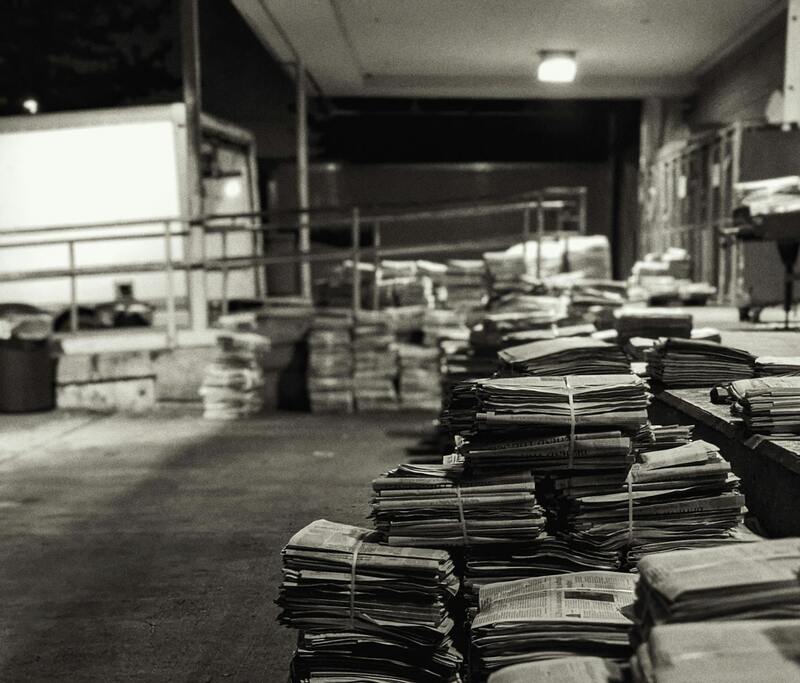
Transparency in pricing and a clear communication framework enable clients to coordinate effectively, especially for urgent projects. Many established providers also prioritize environmentally sustainable methods, incorporating eco-friendly inks and recyclable materials, which align with modern corporate social responsibility goals. Consistency in service delivery, attention to detail, and reliable post-print support are the hallmarks of an ideal fast printing partner.
Tips for Preparing Your Files for Speedy Printing
To maximize efficiency, ensure your digital files are correctly formatted, including high-resolution images (at least 300 dpi), appropriate color profiles, and correct sizing. Use vector graphics for logos and illustrations to prevent pixelation during enlargements. Incorporate bleed and crop marks as instructed by your printing service to facilitate clean finishing. Avoid last-minute changes once your files are submitted, as this can cause delays or additional charges. Keeping a standardized template for recurring projects can reduce pre-press time, leading to faster completion. Communicate your timelines clearly upfront and confirm all details before submission, ensuring your files meet the printer’s specifications to prevent rework and expedite the process further.